

 Christina Nixon
We’ve all been there. You’re scrolling through your feed, and you see it – a stunning, hand-poured soy candle in a ceramic jar that looks like it was kissed by the gods, or maybe a hand-stitched sweater that screams “heritage quality.” You think about buying handmade products because they look so much better than the other alternatives, but then you click the link and see… the price tag.
$85 for a candle? $200 for a wallet? Your brain immediately goes into a tug-of-war. One side says, “But it’s so unique! Support small businesses!” while the other whispers, “You can get a candle at the big-box store for ten bucks.“
Today, we’re settling the debate. Is the handmade movement a shallow trend fueled by aesthetic Instagram feeds, or is it the smartest investment you can make for your home and your soul? Grab a coffee, and let’s dive in.
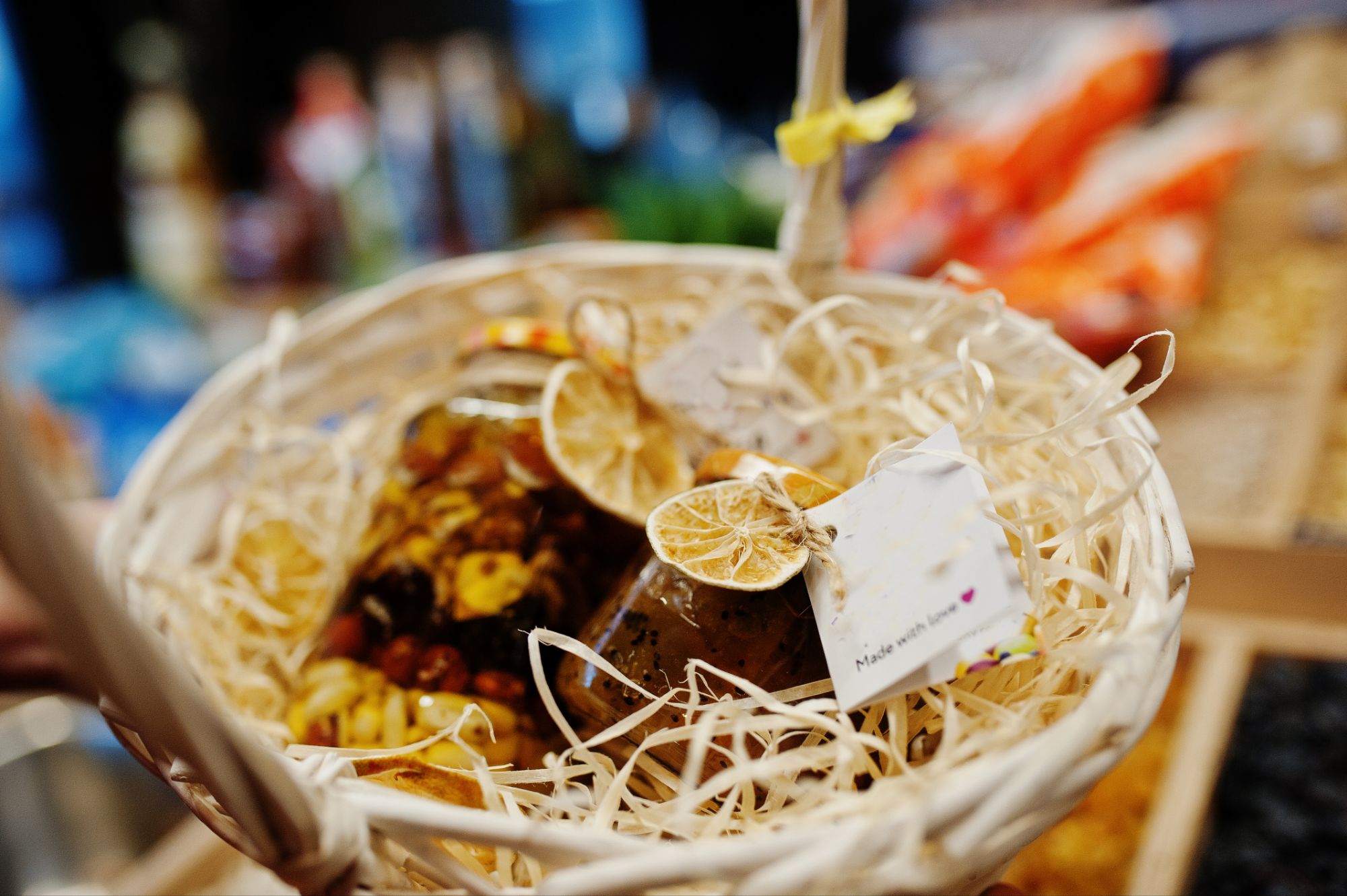
Let’s address the elephant in the room: Handmade is more expensive. There’s no getting around it. But here’s the secret the “fast-retail” world doesn’t want you to know: Price and value are not the same thing. When you buy handmade, you aren’t just buying an object; you’re buying a piece of someone’s life, their expertise, and materials. When you buy a hand-knitted throw blanket, you can see the slight variations in the tension of the yarn. Those aren’t “defects”, they’re the fingerprints of the maker. Handmade goods are built to be repaired, not replaced. A local cobbler can resole a pair of handmade leather boots. Try doing that with your $40 synthetic sneakers when the sole starts peeling off. Buying handmade is an investment in durability.
Buying Handmade Products Supports The Planet
If you care about the planet (and let’s be real, we all should), handmade is the way to go. Mass production is one of the leading causes of environmental degradation, from carbon emissions in shipping to the sheer amount of waste that ends up in landfills.
Think organic cotton, non-toxic dyes, and sustainably harvested wood.
The Dark Side of the “Handmade” Label: Avoiding the Quality Trap

We’ve talked about the magic of the maker, but let’s get real for a second: not all handmade is created equal. Especially during the holiday season, from the bustling markets in London’s Southbank to your local town square, the “handmade” label is often used to justify premium prices for subpar products. There is a growing trend of “assemblers” posing as “artisans.” They buy cheap, bulk materials from giant online wholesalers, spend five minutes putting them together, and slap on a “Handmade” tag.
If you’re paying artisan prices, you deserve artisan quality. Here is how to tell if you’re buying a future heirloom or overpriced junk.
The biggest giveaway of a low-quality handmade item is the base material. A true craftsman is obsessed with their “ingredients.”
- Leather: If it smells like chemicals or plastic, it’s likely “genuine leather” (which is actually the lowest grade) or synthetic. True high-quality handmade leather should be full-grain or top-grain and have that rich, earthy scent.
- Knits: Is that “handmade” scarf actually 100% acrylic? If so, it’s plastic. It will pill, it won’t be breathable, and it’s essentially a fast-fashion item made by hand. Look for wool, alpaca, or organic cotton.
- Wood: Check the weight and the grain. Is it solid oak, or is it plywood with a thin veneer that’s going to peel the first time it gets damp?
There is a massive difference between making and assembling.
- The Assembler: Buys pre-made charms and puts them on a chain. They use “findings” (the clasps and loops) made of cheap nickel that will turn your skin green within a week.
- The Artisan: Forges the metal, sets the stone, and ensures the structural integrity of the piece.
Before you buy, look at the joints. Are the seams on that handmade bag straight and reinforced? Is the pottery bottom smoothed and signed, or is it rough and prone to scratching your table? If the construction looks like something you could have done in a 20-minute YouTube DIY session, it isn’t worth the artisan price tag.

One of the best ways to sniff out a trend-chaser at a Christmas fair is to ask deep questions about their process. A true expert loves to geek out over their craft. If the seller gives you vague answers or gets defensive, you’re likely looking at a “trend” product. A real maker will tell you the name of the tannery they use or why they chose a specific cross-stitch for durability.
The “Crafty” Price Gouge: Why It’s Happening
The UK market, in particular, has seen a surge in “hobbyist” businesses. While it’s great to support someone’s side hustle, the problem arises when the price reflects a “luxury” status while the quality reflects a “beginner” skill level.
This is where the “trend” part of the argument wins. People are buying the feeling of supporting a small business without actually getting the value of a superior product.
Is quality handmade still worth it? Yes, but only if the skill matches the bill. Buying a poorly made “handmade” item is actually worse than buying mass-produced. At least with mass production, you have standardized quality control.
The Golden Rule: don’t pay for the effort; pay for the expertise.
How to Shop Smart This Season
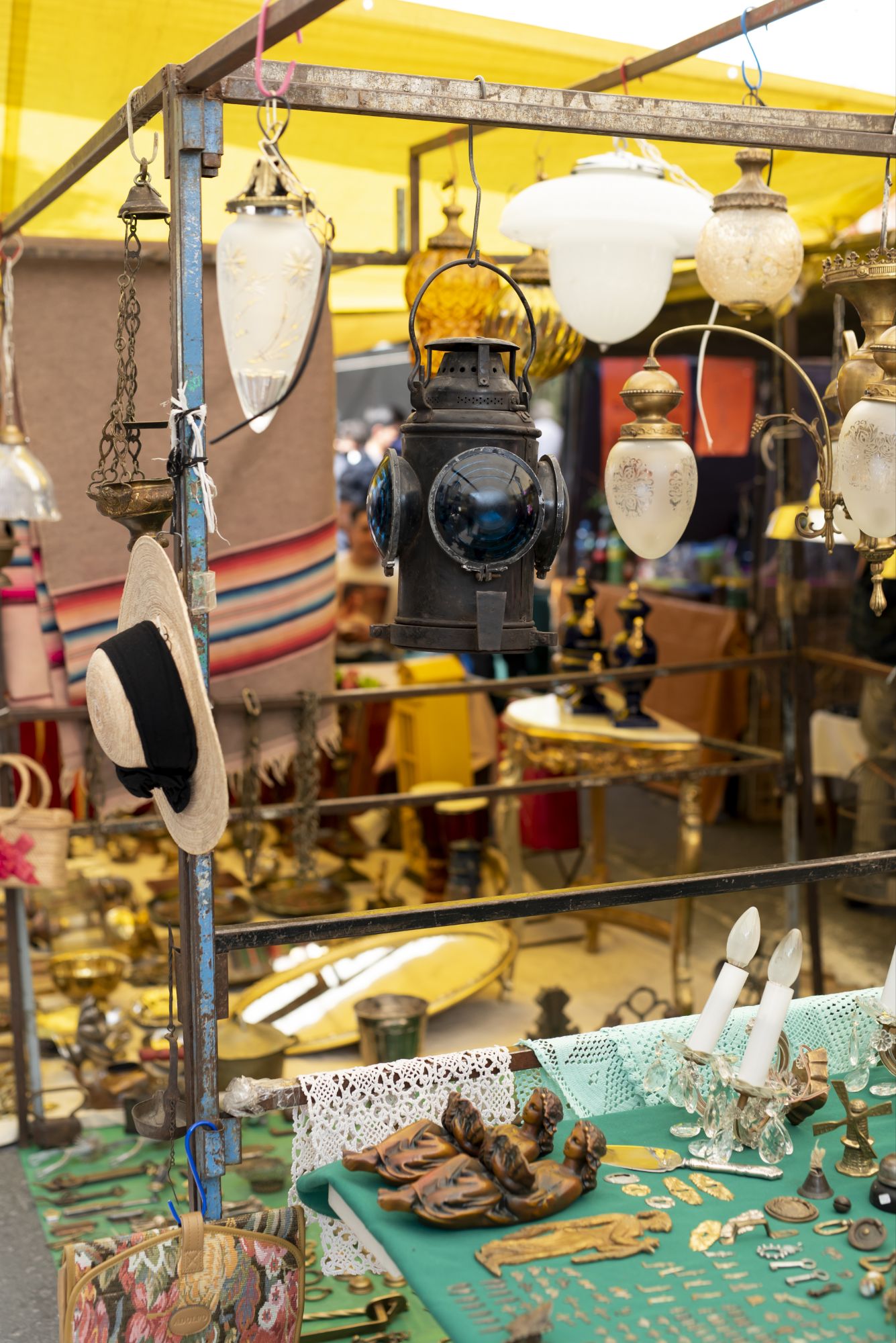
If you’re heading to the markets this year, keep your eyes open. Look past the fairy lights and the rustic brown paper packaging. Feel the weight, check the seams, and talk to the maker.
When you find that person who has spent 10,000 hours perfecting their craft using the finest materials they could find, that is when “handmade” stops being a trend and starts being the best investment you’ll ever make.
Buying Handmade Products: Final Verdict
Is it a trend? Yes, the aesthetic of handmade is currently “in,” and plenty of people are taking advantage of that by selling low-quality items at high prices. However, authentic handmade goods are absolutely worth the price. When buying handmade products, you’re choosing quality over quantity, stories over spreadsheets, and community over corporations.
Don’t just take my word for it. Experience the difference for yourself. Whether it’s a piece of jewelry that becomes your signature look or a dining table that hosts a thousand family dinners, handmade makes life a little more beautiful.
Ready to hit the markets? Keep your eyes open and your standards high. Look past the fairy lights and inspect the seams. When you find that one piece that is perfectly weighted, beautifully finished, and built to last, that’s when you know you’ve found the real deal.