
 Christina Nixon
Inspired by “Slow Travel Italy: Off the Beaten Path” on Away to Italy — a beautiful reminder of why travel should be felt, not just seen. This is what slow travel is really about – not just movement, but meaning.
Let’s be honest: fast travel can feel like a performance. Photos, bucket lists, rush hour at landmarks, and the ever-present pressure to “make the most of your time.”
But in truth, the most beautiful moments are the ones that aren’t scheduled. In a quiet olive grove. In the sound of a guitar echoing through a narrow Granada street.
There’s a certain kind of travel story that stays with you long after the photos fade — one where it’s not the monuments or the miles that matter most, but the feeling of having truly been somewhere. The article above reminded me why I travel. Why I choose to travel slowly. And why Spain, perhaps more than anywhere else in the world, is meant to be experienced this way.
Like Italy, Spain is not meant to be rushed through. In a world that celebrates fast flights, attraction tours, and checklists of landmarks, it’s easy to forget that travel was once a poetic affair. It wasn’t about how many places you could tick off in a week, but how deeply you could feel a single one. “Away To Italy” reminded me why I fell in love with travel in the first place — and why slow travel isn’t just a method, it’s a mindset. Especially in a country like Spain, where time feels like it breathes through the cobbled streets, the music, and the scent of orange blossoms in the air. If you’re dreaming of Spain, let me invite you to see it differently. Not in five rushed cities over seven days. But through the rhythm of slow, soul-stirring travel. Here’s why it’s the best way to experience Spain, and perhaps, even yourself.
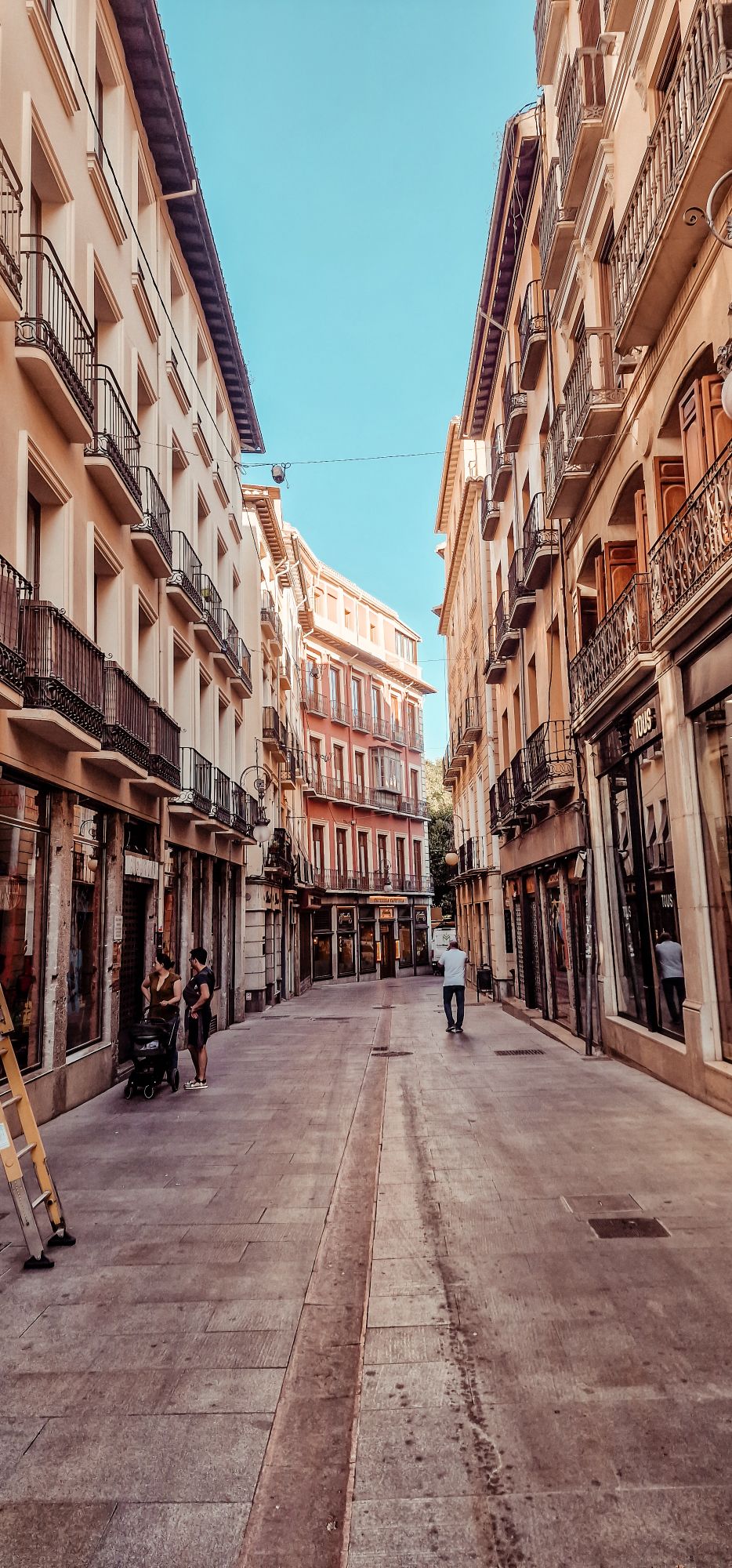
Spain is not a country that wants to be rushed. It wants to be felt. You feel it in Granada’s Albaicín, where time melts into whitewashed walls and hidden courtyards. Spain speaks the language of presence, and to really hear it, you must slow down. From the Basque Country to the beaches of Cádiz, every region has its own customs, dishes, festivals, and soul. And you miss that richness when you’re rushing to make a train or standing in line at another tourist hotspot.
Slow travel allows you to go deeper, not wider. To stay long enough in a village to see it light up at night. To become a regular at a neighborhood bar. To learn the rhythm of the morning mercado, and the stillness of siesta afternoons.
When I think about my most memorable moments in Spain, they were in the ordinary, everyday moments, that turned extraordinary simply because I slowed down enough to notice. Like the tour guide in Cordoba who breathed life into history when he told us about the people and how much he likes to preserve not just moments, but memories. Or the taxi driver who spoke from the heart while driving through the quiet night on the way to Cordoba. Thanks to him I have found the best place where the fried anchovies and calamari are served with nothing more than lemon and love. “This city…it feeds you. With food, yes. But also with stories. With people.”
These moments never make the guidebooks. But they are the stories I carry home. And they only happened because I chose not to rush.
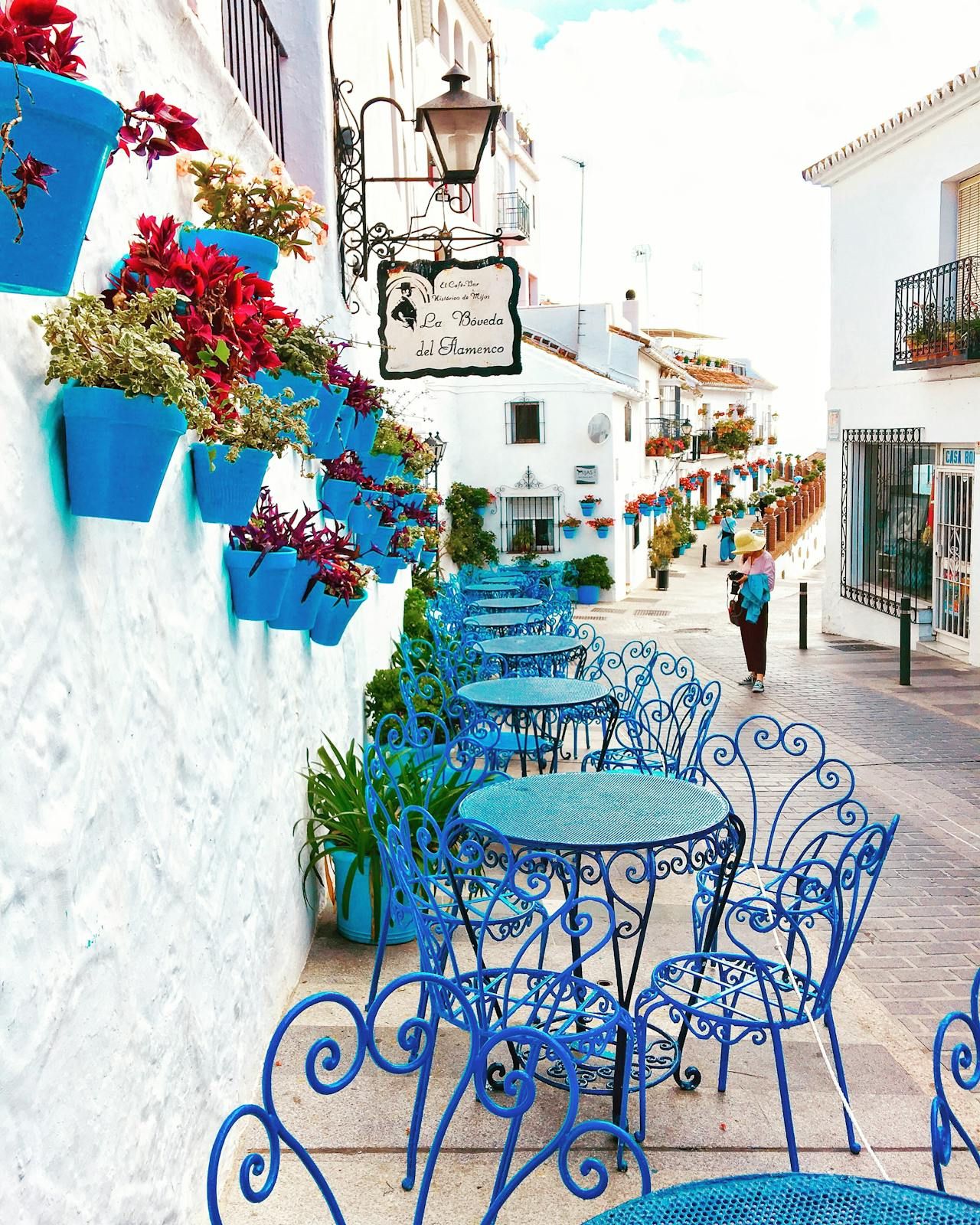
Slow travel gives you time — time to learn Spain, not just see it. When you stay in one region longer, you get to learn the language, you get to understand the culture behind the flamenco, the history behind that small village church, the reason why meals stretch on for hours. You notice things you’d otherwise overlook – how locals start every breakfast with a fresh glass of sweet orange juice, how every drink is accompanied by free tapas, how even the shadows cast by the afternoon sun have their own poetry.
You have to let go of the idea that more is more. That travel has to be efficient. That we need photos of everything to prove we were there. Maybe you’ll miss out on that Instagram-famous paella place. But maybe — just maybe — you’ll discover a small town like Frigiliana, where the streets are mosaics and time feels soft. Maybe you’ll spend an afternoon sitting under orange trees, watching the light change. And maybe that’s exactly the kind of magic you were meant to find.
If you’re wondering how to begin this journey, here are a few gentle suggestions:
- Choose fewer destinations: Focus on one or two regions — perhaps Andalucía, Galicia, or Castilla-La Mancha — and explore them intimately.
- Stay in locally-owned accommodations: Rural casas, or family-run hostels often come with stories and personal touches you’ll never find in chain hotels.
- Use slower transport: Ride a bicycle, or simply walk. Spain’s landscapes are stunning — don’t blur them into the background.
- Shop at local markets and supermarkets: Buy fresh produce, talk to the vendors, learn about the food.
- Live like a local: Embrace the siesta. Eat dinner late. Join a festival. Say “buenos días” to strangers. Let Spain show you how it lives.
Travel isn’t just about discovering the world. It’s about rediscovering yourself. And Spain — in all its warmth, color, history, and rhythm — is a mirror. It will show you beauty. It will challenge you. It will invite you to stop rushing, and to live.
So take the long road. Stay an extra day. Sit still. Listen. Because the best way to see Spain — is to feel it.