
 Christina Nixon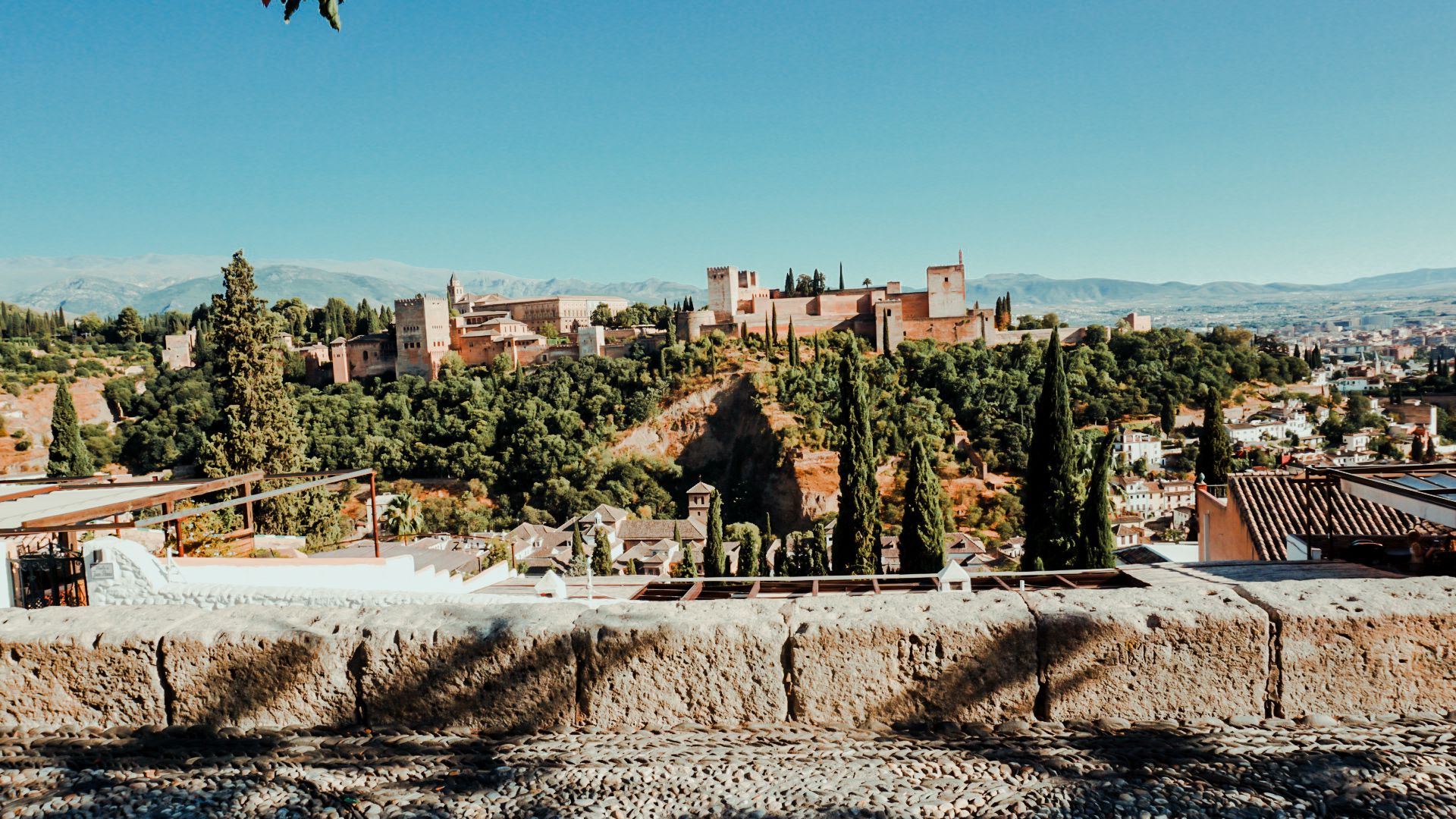
*Note: The following article contains affiliate links. Granada, a city at the crossroads of history and culture, captivates travelers with its charm. To understand its heart, one must explore the ancient districts of Albaicin and Sacromonte. Booking a walking tour through Viator and PlayGranada let me discover these two neighborhoods that bring Granada’s rich history to life. Plus – it was a lot of fun!
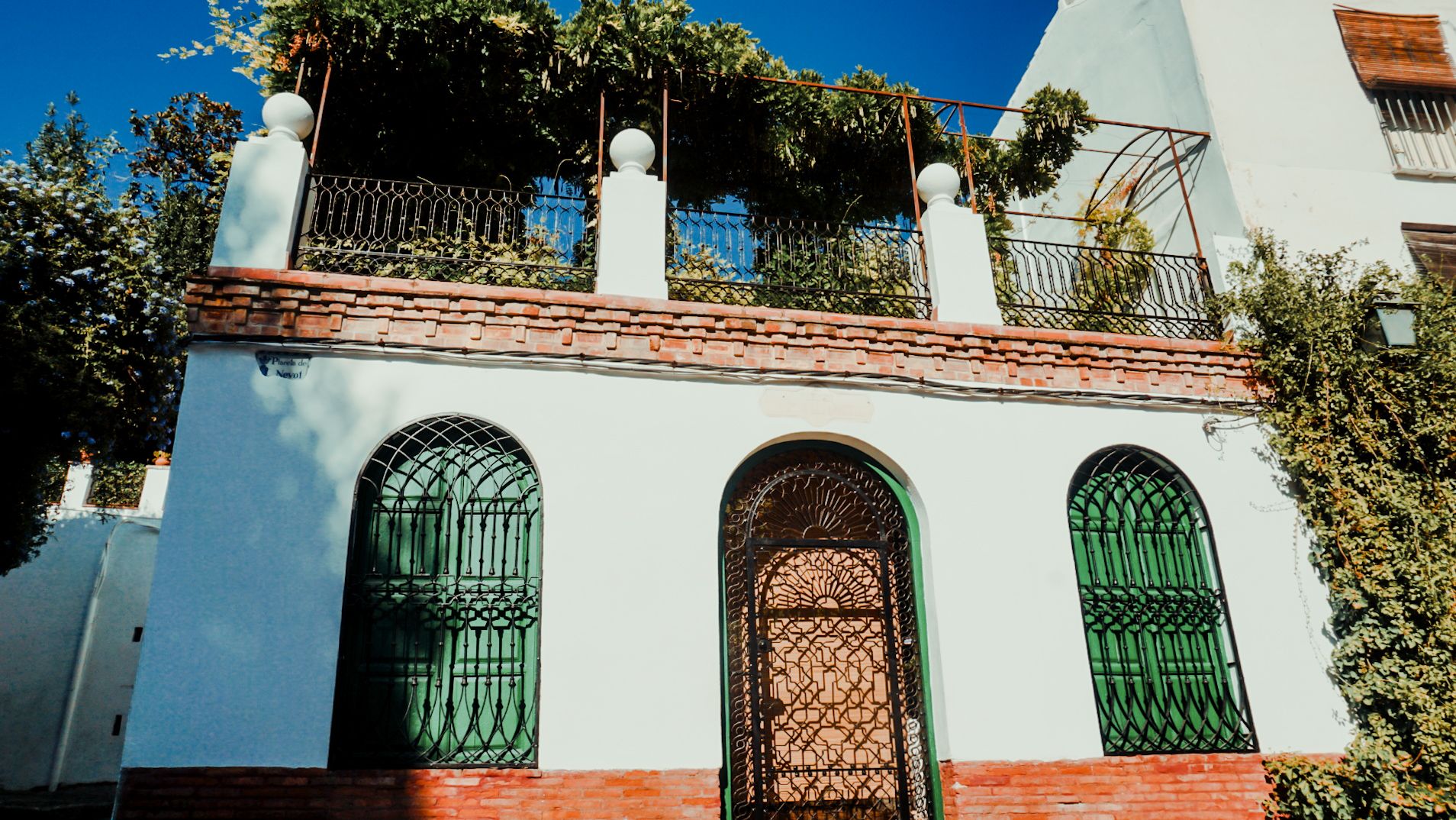
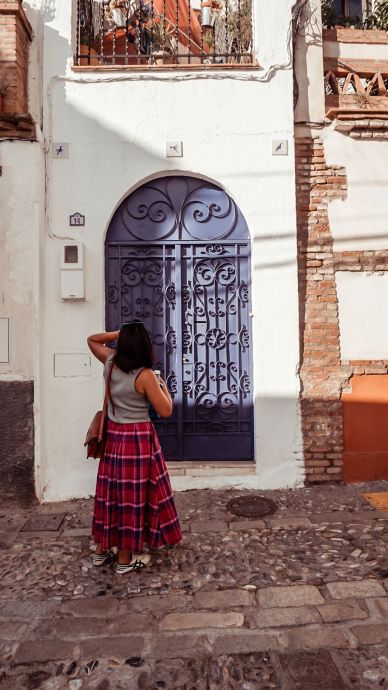
Albaicin (also known as Albayzin) – ancient quarter and UNESCO World Heritage site – holds the essence of Granada’s rich history. Through Javier – our tour guide – the winding, cobblestone streets, narrow and slippery, tell stories of when this neighborhood was the center of Moorish life. “The streets were designed to be narrow, providing shade and coolness in the hot summer months.” The maze-like layout offers protection and privacy, creating a sense of intimacy that is still felt today. The whitewashed houses of Albaicin, decorated with bright flowers, show the skill of the Moors. These homes, with their detailed tile work and massive, wooden doors, combine beauty and practical design with opulence. “They were built to offer intimacy and to keep the inside cool”, a needed change for the hot Andalusian temperatures.
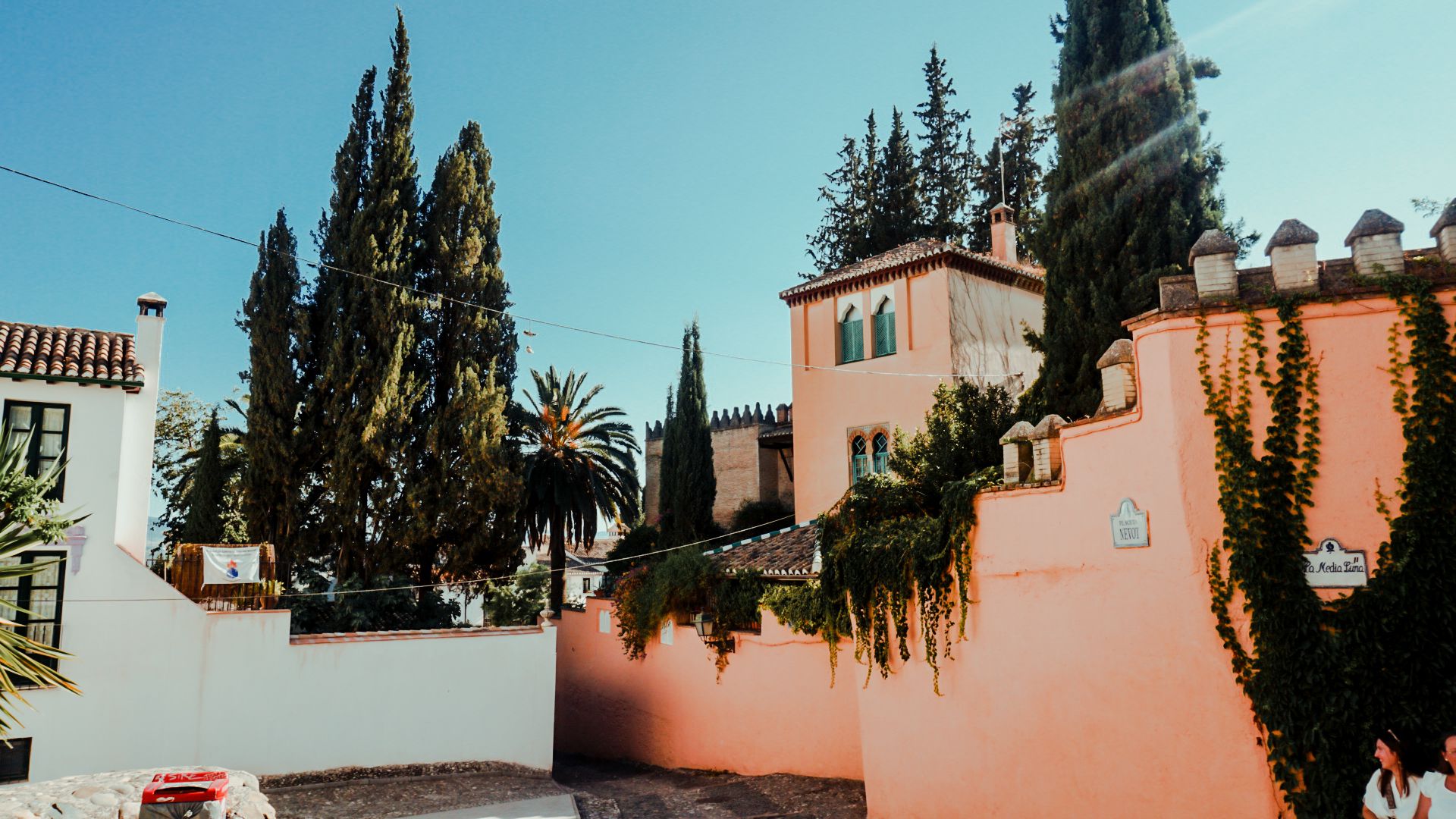



The Viator walking tour experience led us to beautiful paths through the charming districts of Albaicin and Sacromonte. The tour guide camed packed with a lot of captivating stories and insights about the legacy and lifestyles of these historic neighborhoods. We also got to see two of Granada’s most stunning viewpoints, where I could capture beautiful photos of the Alhambra and the city below, together with the scenic Paseo de los Tristes, where the beauty of Granada unfolds before you.


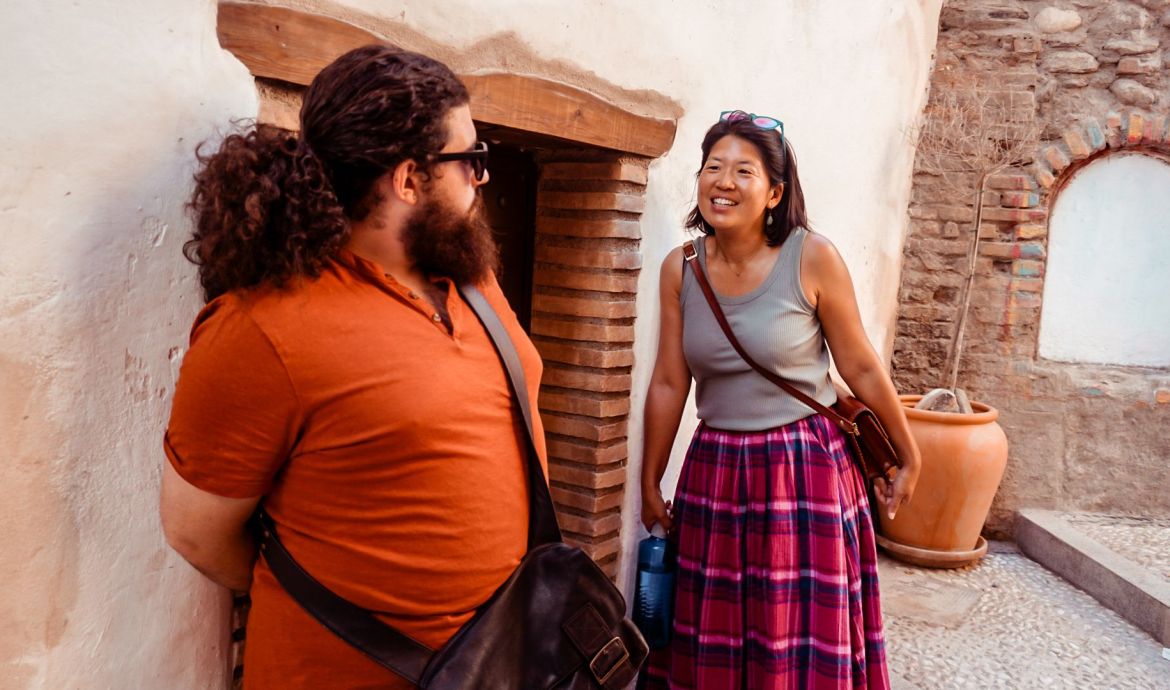
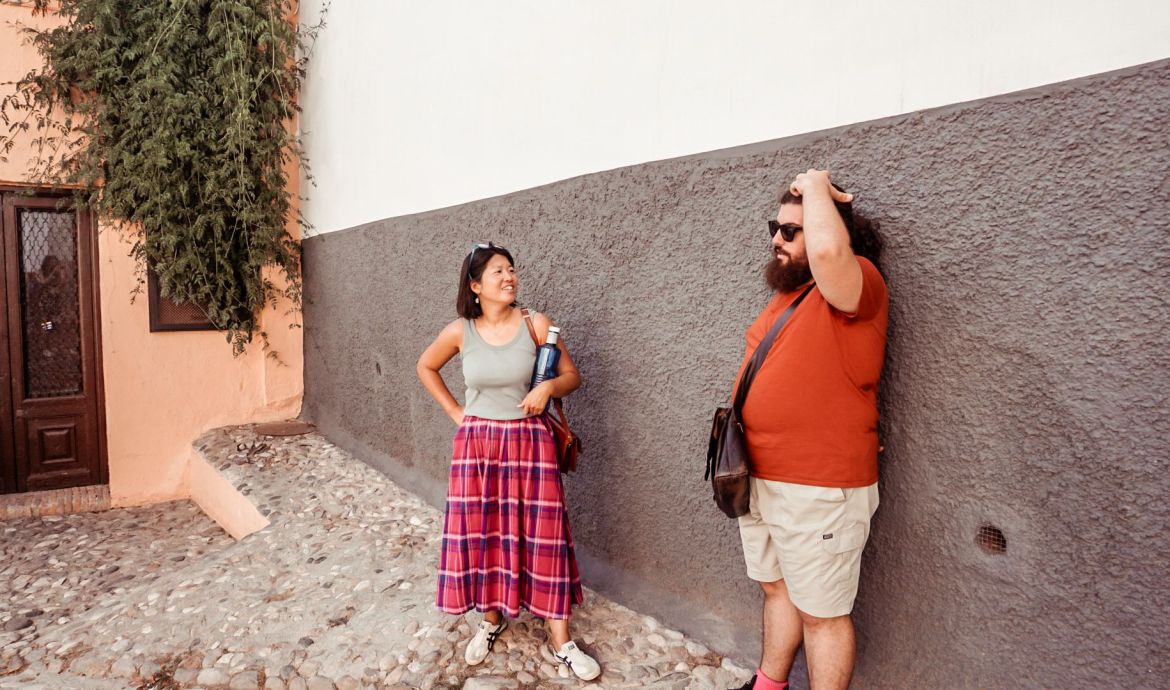
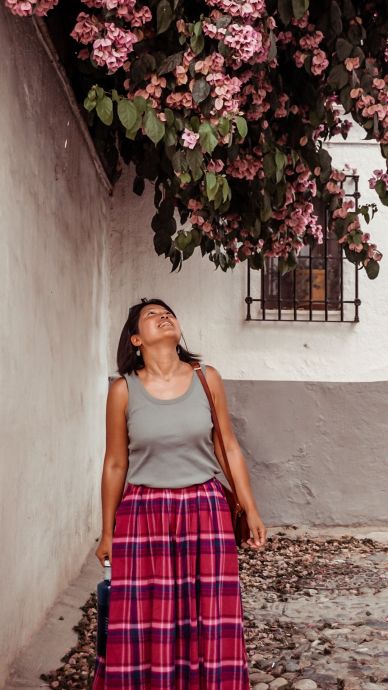
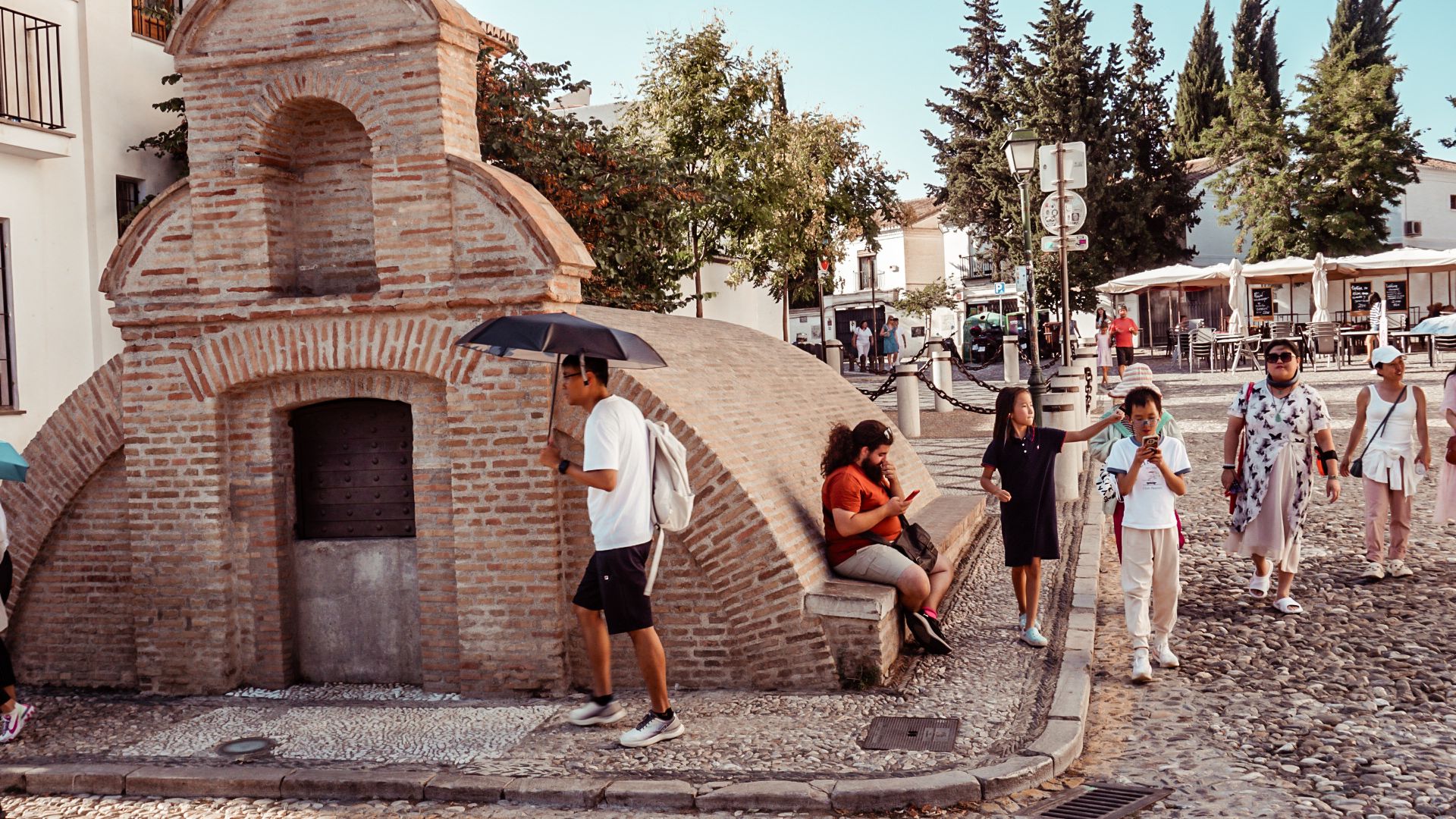
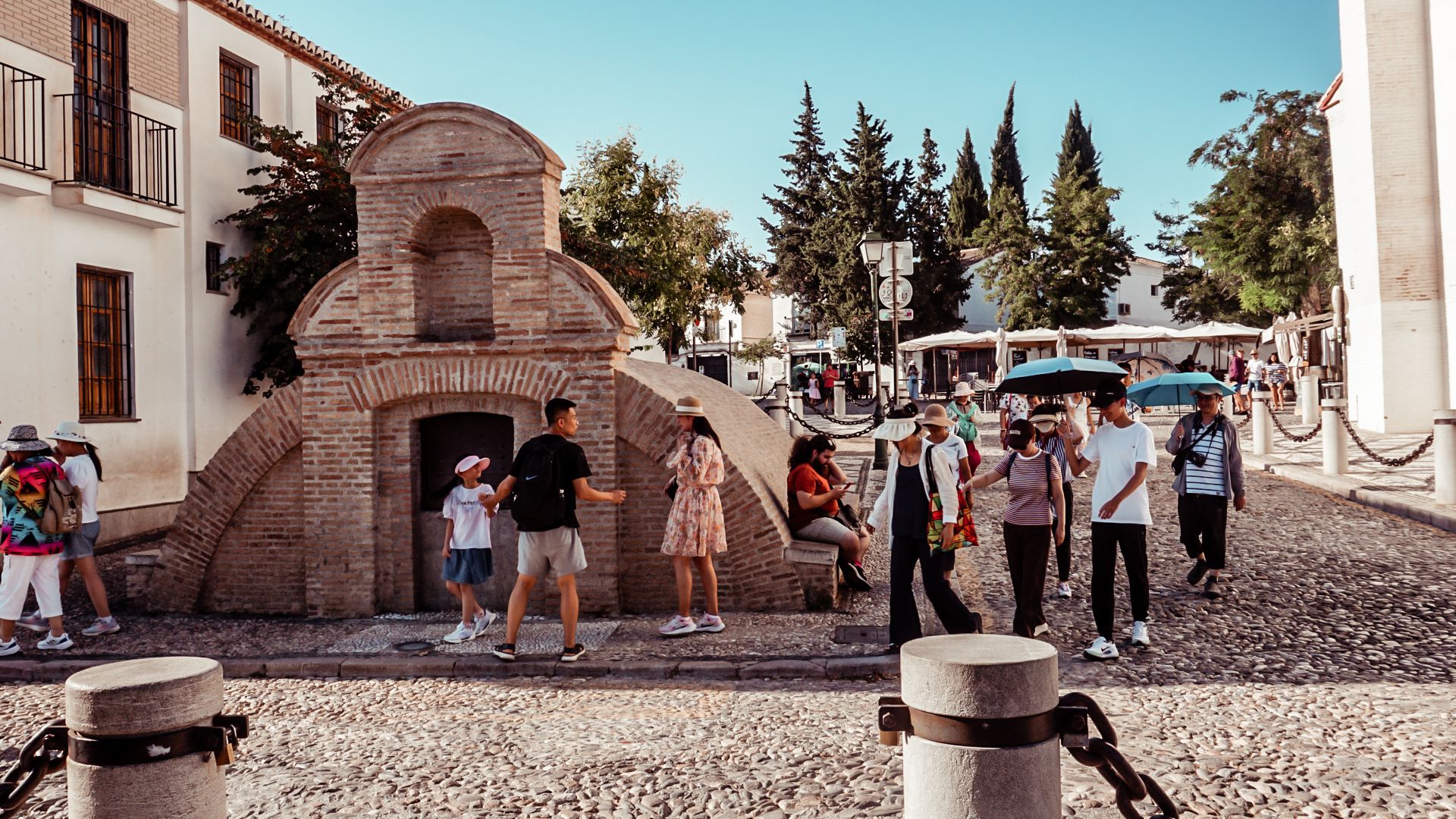


The tour was not just an exploration of places, but also of stories and feelings. It was a journey through time, showing us the daily lives of those who walked these streets before us. The fun and friendship among the group made it a memorable adventure.
The name Albaicín (or Albayzin) is believed to have roots in the Arabic language. It may originate from “Rabat al-bayyasin,” meaning “the falconers’ neighborhood,” reflecting a possible connection to the noble tradition of falconry. Another theory suggests it derives from “Al-bayyazin,” named after the inhabitants of Baeza who settled in the area. Following the Conquest by the Catholic Monarchs, the Albaicín was designated as a residential area for the Muslim population. Over time, many Muslims relocated to this district, transforming it into a vibrant and culturally rich enclave. The area became a refuge where they could maintain their traditions and way of life amidst the changing political landscape. This gradual settlement imbued the Albaicín with a unique blend of architectural styles and cultural influences that continue to define its character today.
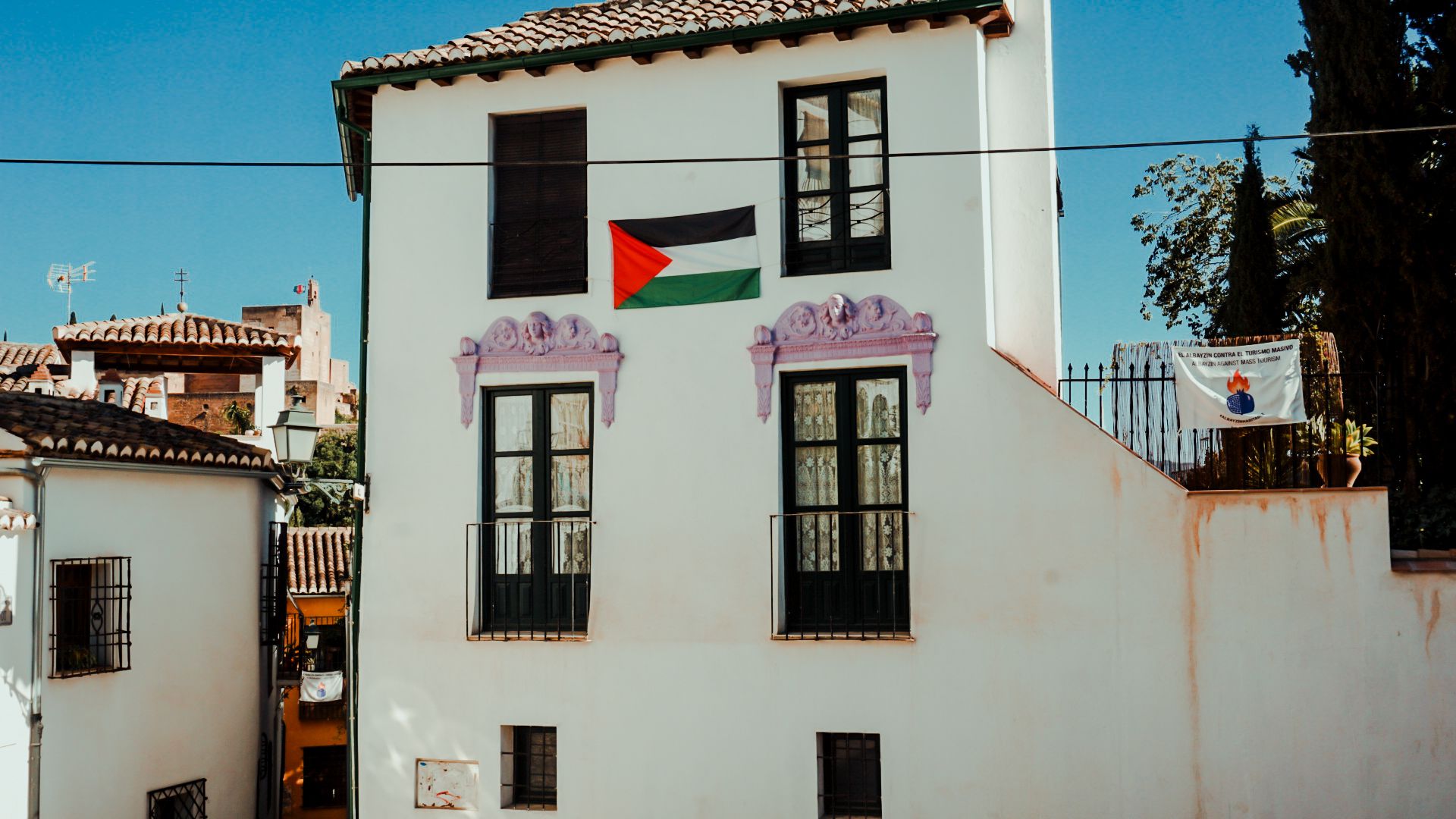
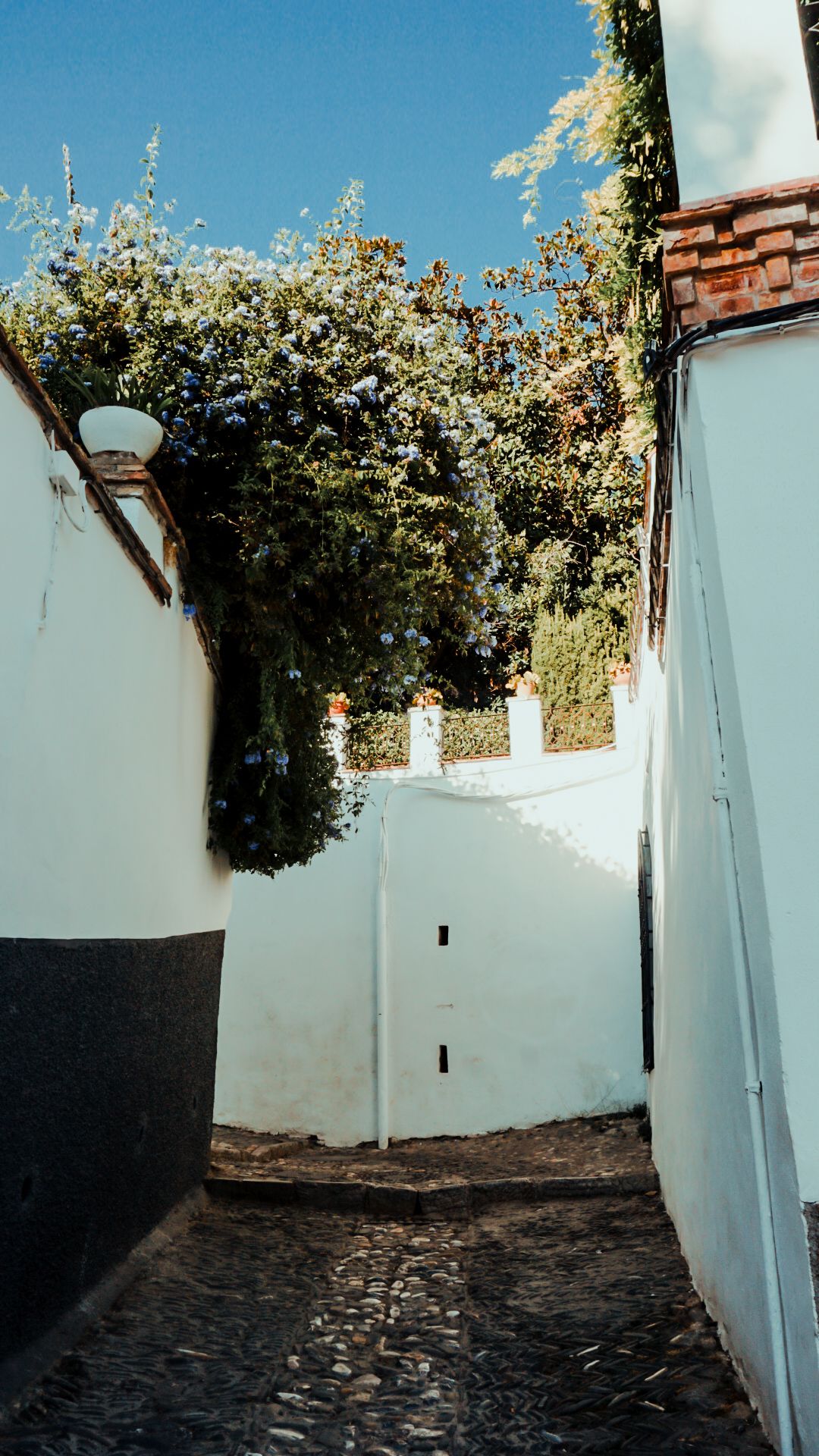

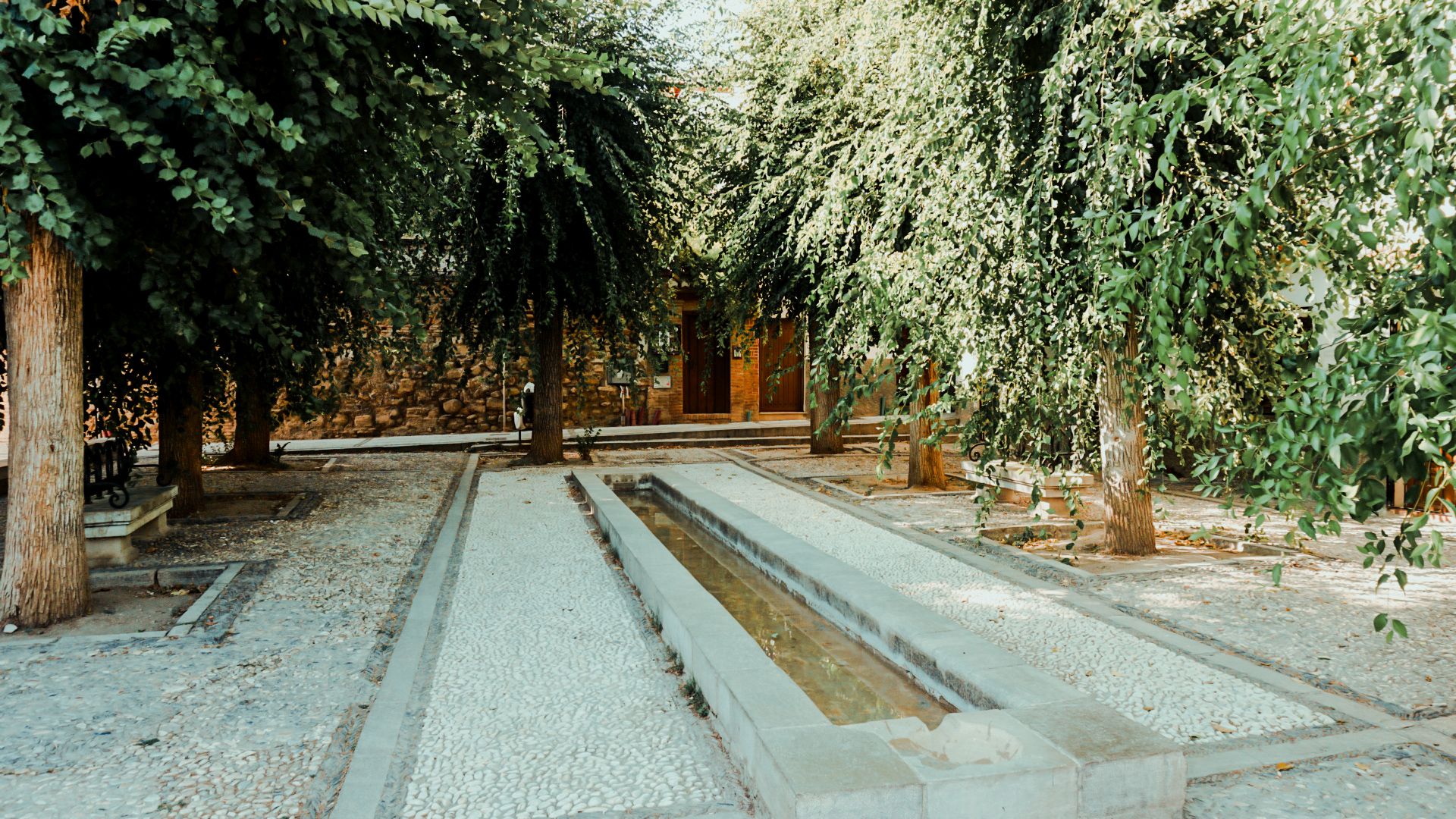
In 1984, Albaicín was designated a World Heritage Site by UNESCO due to its exceptional universal value. It stands today as a distinctive and well-preserved example of Hispano-Muslim architecture from the medieval period. If you decide to explore it, you’ll find many fascinating places that show the neighborhood’s rich history. Stunning viewpoints offer wide views of Granada and the majestic Alhambra.
Charming squares invite you to pause and enjoy the lively atmosphere, where you can watch the world go by. Beautiful villas, with their lush gardens and elegant facades, highlight the neighborhood’s wealthy history, showcasing the luxury of a time when Christian nobles built their homes here. These photos are the proof that every corner holds a piece of history, and every street offers a new discovery.


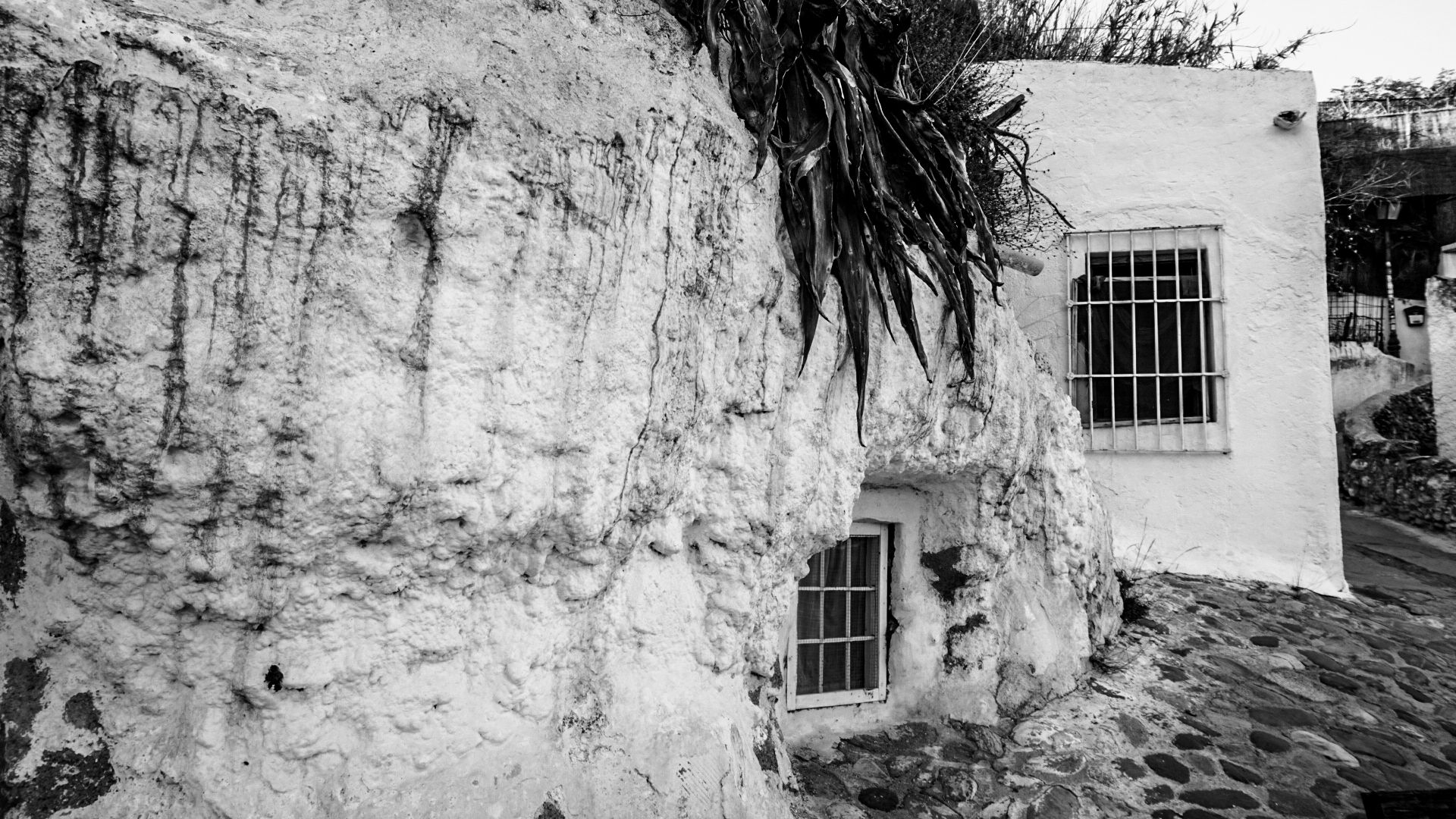

Leaving Albaicin, we made our way to Sacromonte, a neighborhood that pulses with a different kind of energy. Known for its rich gypsy culture and flamenco heritage, Sacromonte is a place where tradition and passion come alive. The houses here, carved into the hillsides, are a marvel to admire. These cave dwellings, known as “cuevas”, maintain a constant, cool temperature, providing respite from the intense heat. You can actually rent a cave, and the price is often higher than the one paid for the regular rent.
Sacromonte’s streets, like those of Albayzin, are a mosaic of stone. The district is known as the birthplace of flamenco. Since the eighteenth century, Gypsies have lived on the slopes of Cerro de San Miguel and along Camino del Sacromonte, the old Muslim road to Guadix. Over time, they claimed this rugged land as their own, creating a unique type of home: the cave house. These cave houses are cleverly grouped around ravines, forming distinct streets that blend into the landscape. Sacromonte had its golden age in the 1960s when the neighborhood thrived. Thousands of families lived in the area, filling about 1,500 cave houses with vibrant community life.
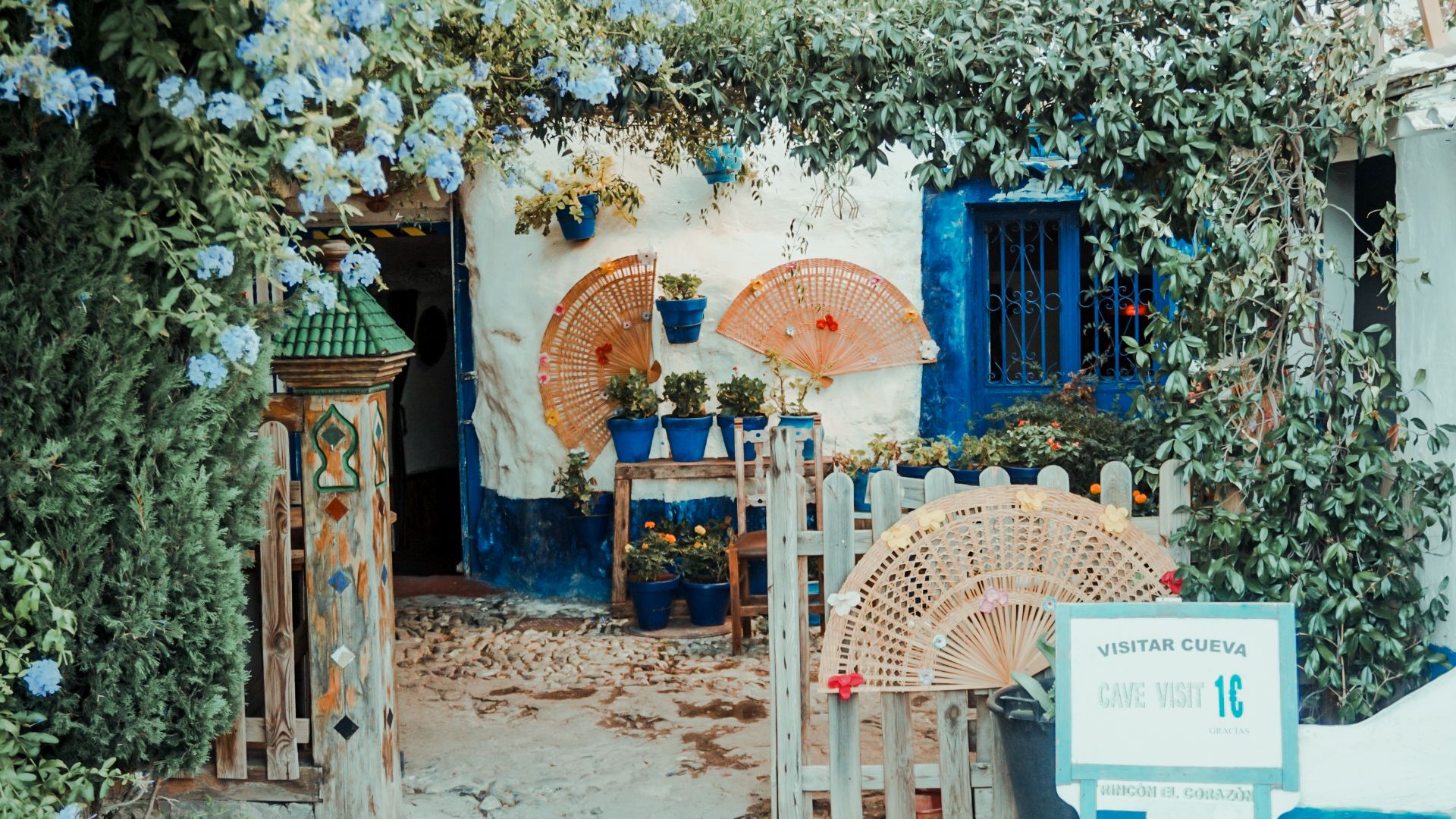


The caves of Sacromonte come in various types, but today, very few are still inhabited by the Gypsy families who built them. These dwellings usually have an entrance that serves as a kitchen and dining room, with one or two bedrooms deeper in the hillside. The cave houses are more than just homes; they are symbols of a cultural legacy that has lasted for centuries. They tell stories of a community that turned a tough environment into a thriving neighborhood, leaving a lasting mark on Granada’s cultural and architectural heritage.
Today, many of these historic caves have been transformed into charming tourist accommodations, offering visitors a unique opportunity to experience the distinctive architecture and cultural heritage of Sacromonte. The few remaining traditional caves have found new life as various businesses, preserving their authentic character while serving as restaurants, artisan shops, and cultural centers.


Granada’s Albaicin and Sacromonte are not just neighborhoods; they are vibrant places that welcome visitors, sharing their secrets and beauty. This Viator walking tour showed the lasting charm of Granada, a city that captures the imagination, heart and soul. And I believe that walking tours, such as the one booked, offer more than just a journey through a city – they provide a deep, immersive experience that connects you with the places you visit. They let you enjoy the sights, sounds, and smells of a place and interact with its people in a genuine way. They create moments of connection and reflection, where history is not just learned but felt.