
 Christina Nixon
Miss the Britney and Spice Girls era? Check out our Catch Market York review for the ultimate recap of this massive 90s & Y2K vintage clothes swap… because shopping second-hand is no longer just about searching through disorganized charity shop rails; it has become a community-driven experience. Blending a highly organized vintage fashion fair with a structured clothes swap, Catch Market York vintage fashion market, hosted at the York Railway Institute on Queen Street, offered a practical response to the growing demand for sustainable 90s and Y2K fashion. This review looks at the structure of the clothes swap, pricing tiers, and the cultural context that makes 1990s and Y2K fashion so relevant today.
The York Railway Institute, the venue selected for the Catch Market York, located a short walk from York railway station, was divided into three core areas: the independent seller tables, the clothes swap zone, and the specialty experiential stalls.
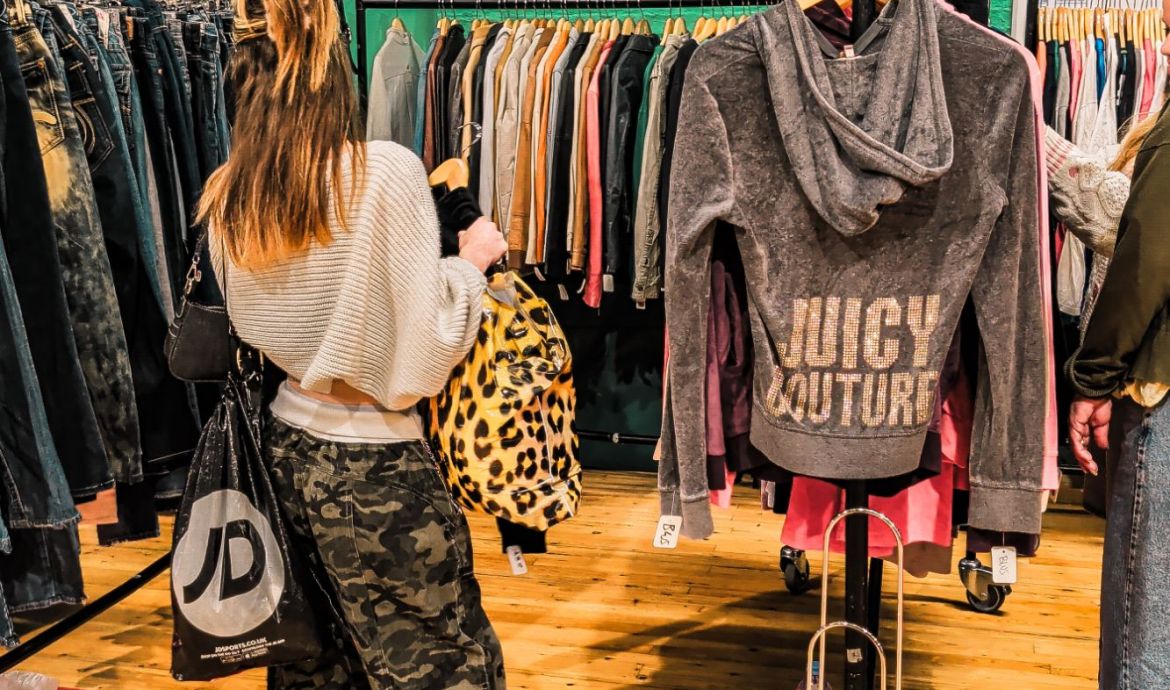
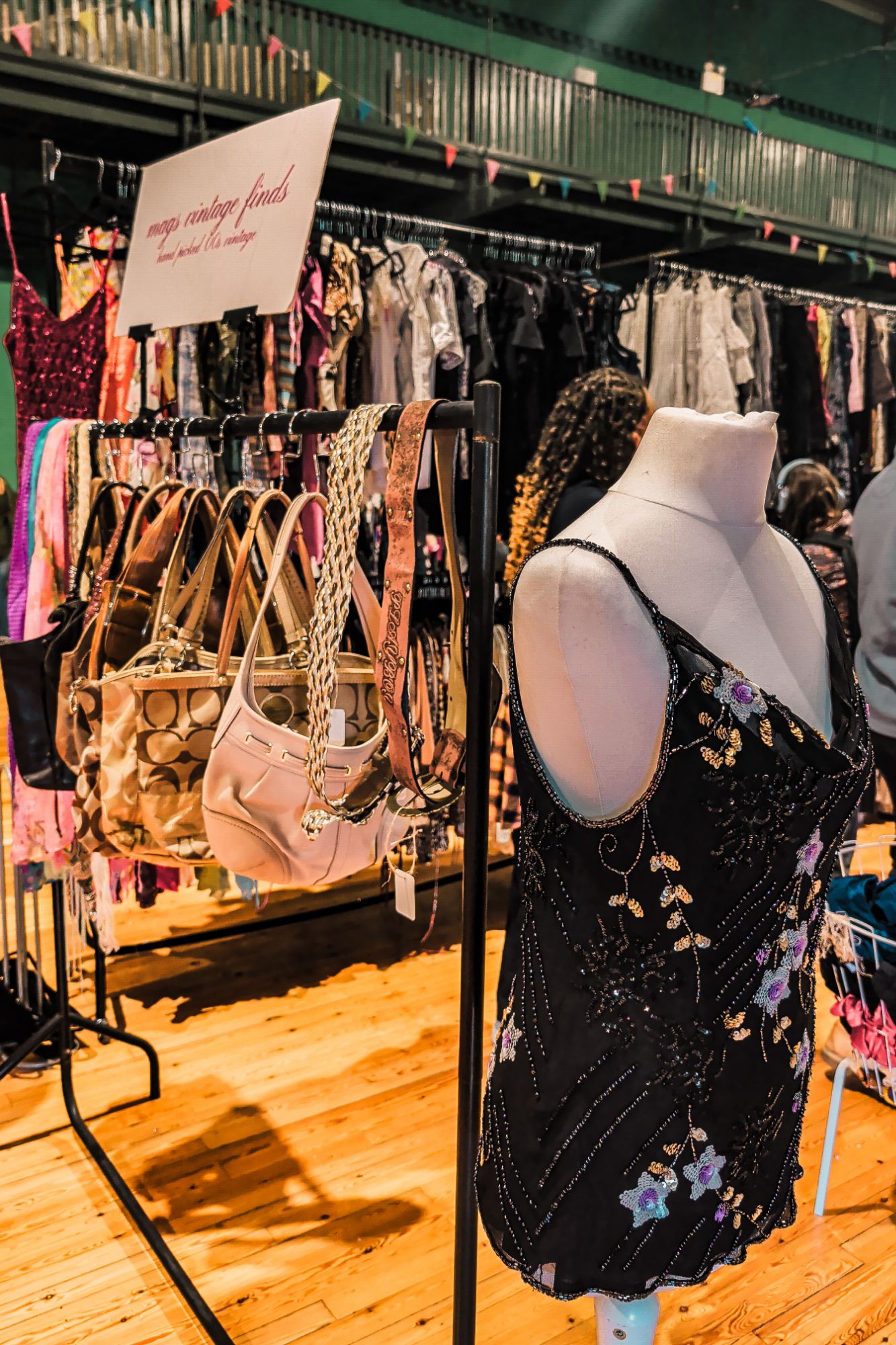
Over 40 curated vintage sellers served as a literal archive of the transition from the late 20th century into the early millennium. Walking through those clothing racks felt like walking right into a 2000s music video – a time when fashion rules didn’t exist, where everything was about unexpected layers and textures, wild fabrics, and a vibe that was all about having fun with what you wore. The bold Y2K jeans were prominent, featuring low-rise waists, baggy, wide-leg cuts, cargo pockets, rhinestones, and graphic prints. Alongside the denim, rows of retro tops and t-shirts featured bold graphic prints, including oversized American collegiate prints and concert merchandise displaying original single-stitch hems.
Knitwear and mesh retro tops sat alongside animal prints, including leopard-skin patterned cardigans and synthetics. Textures frequently incorporated subtle shimmer or heavy glitter placements, highlighting the era’s reliance on high-glam. Rows of original leather bags – ranging from structured baguette shapes to heavy-buckled utility shoulder styles – showed the durability of older manufacturing techniques compared to current high-street fast fashion.

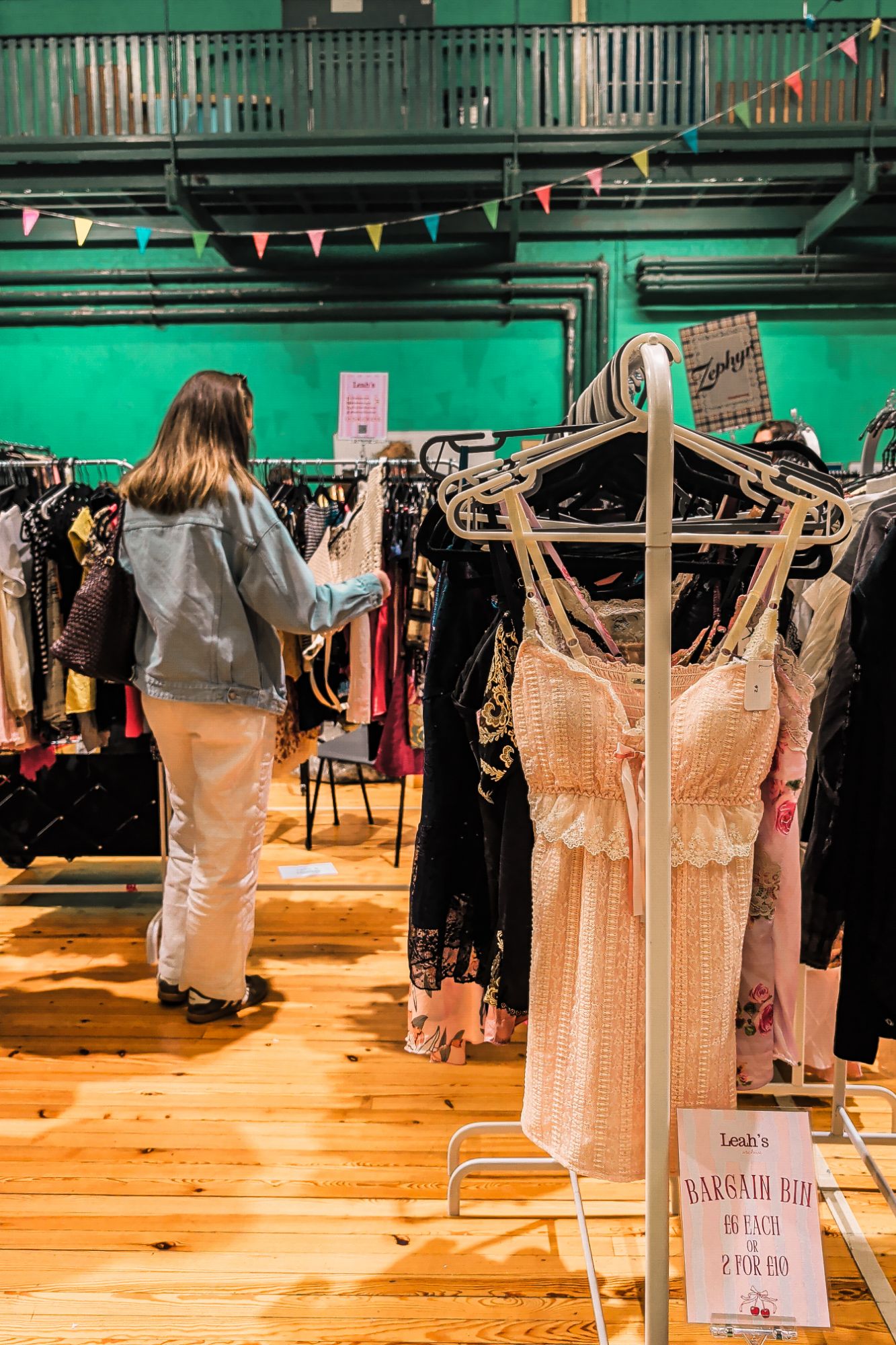

Late 90s and Y2K fashion was completely shaped by music television. Back then, MTV was basically our fashion Bible – a single music video could change how millions of teens dressed by the next morning. The styles we saw on screen are the exact same ones hiding on the rails at Catch Market York, giving off major futuristic, rebellious late-90s energy. The pop music industry of the late 1990s and early 2000s acted as the primary showroom for these aesthetics. For generations who grew up listening to Britney Spears, the Backstreet Boys, Spice Girls, or Christina Aguilera, the style choices of these artists formed their earliest memories of personal fashion. Plus, let’s not forget groups like Atomic Kitten and All Saints that brought a more understated, British high-street reality to the screen, focusing on oversized cargo trousers, utility combat pants, and minimalist crop tops.


The early 2000s embraced technical fabrics, including mesh, sheer overlays, and faux leather coatings. Clothing became more detailed. Simple tops were replaced by retro tops featuring rhinestone lettering, cool metal clips, buckles, cool metal zippers, and stylishly wrinkled fabric. The waistband moved lower, paired with flared hems and elaborate belts, defining the classic Y2K look. Inside the vintage market, a shopper could browse through a minimalist, structured 1990s leather jacket before moving to a vibrant, glitter-printed Y2K top.
There is a huge reason why everyone is obsessing over these vintage pieces right now, and it’s not just because they look cool. It’s because clothes back then were simply built better. Brands actually made stuff to last. For example, jeans back then actually held their shape and aged beautifully over the years. The seams were double-stitched and tough, and they left extra fabric at the bottom so you could actually alter your clothes if you needed to. Also, graphic tees used thick, old-school screen printing that looked even cooler as it faded, unlike today’s cheap digital prints that peel off after three spins in the washing machine.
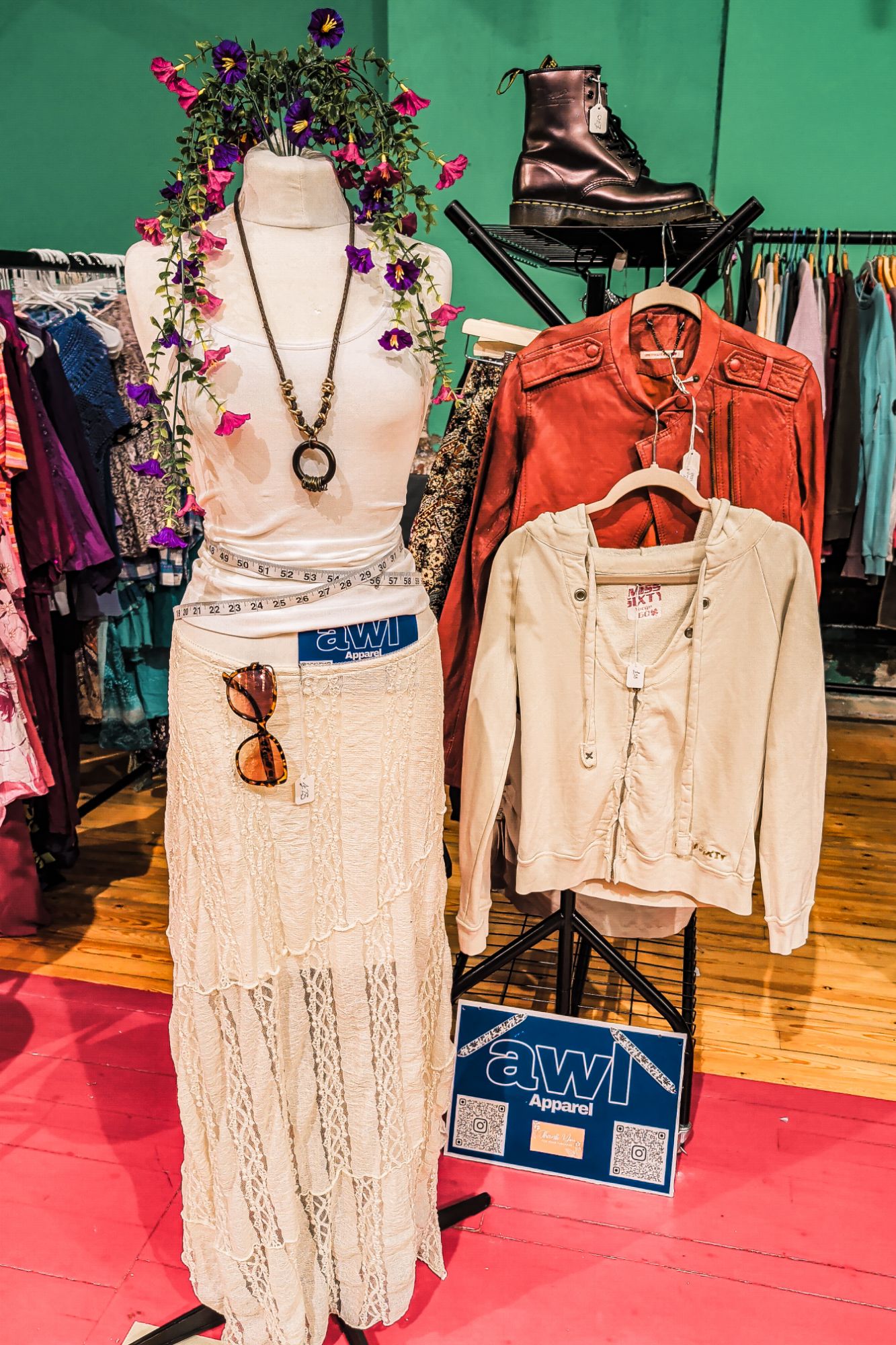
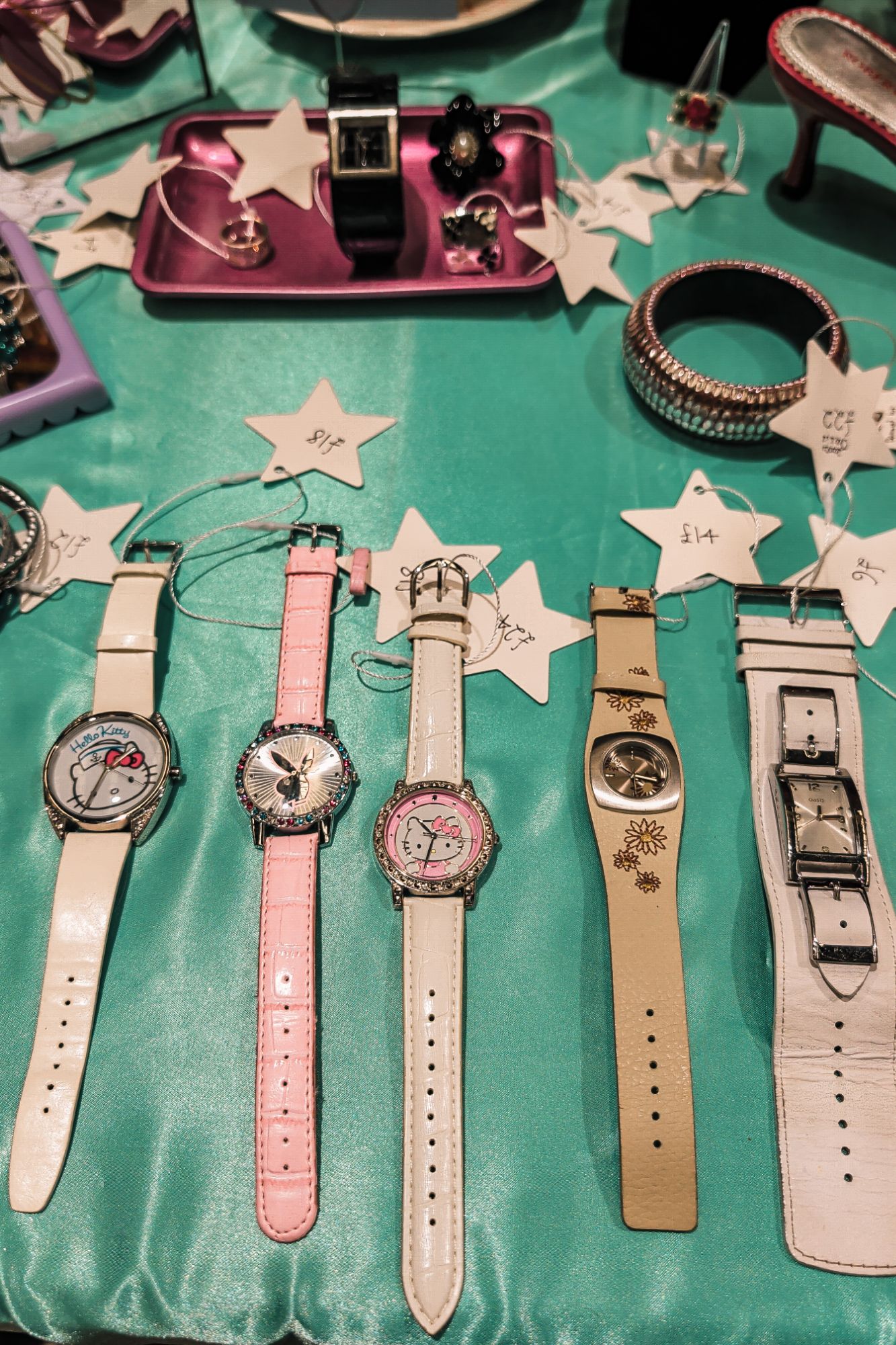
Buying these items at the Catch Market York market is basically a life hack. You get to grab incredibly well-made vintage pieces for a fraction of what you’d pay for a premium modern brand today. Plus, shopping in person is just a relief. Instead of endlessly scrolling on a phone app, guessing your size, you get to actually touch the fabrics, try things on, and see how they fit in real life. If you were willing to dig, you could find amazing little pieces, basic tees, and accessories for just £10. Premium pieces like the Y2K jeans, utility cargo trousers, and cool leather bags ranged between £20 and £65 depending on the brand and condition. For the big spenders, there were high-end streetwear items and designer pieces too, sitting safely under £200.
The Clothes Swap System
The coolest part of the whole day had to be the structured clothes swap – a genuine way to refresh your wardrobe for free using a simple token system. Here is how easy it was:
- You brought up to 10 items from home (menswear or womenswear, modern high street or older vintage).
- The staff checked your clothes at the door to make sure they were clean and in good condition.
- For every good item you handed over, you got a token.
- You took those tokens straight to the dedicated swap rails and traded them 1:1 for new-to-you pieces.
It kept the rails fresh all day because as new people arrived, new clothes went up.

Honestly, the Catch Market York managed to blend the absolute best parts of a vintage market with the eco-friendly, budget-friendly vibe of a local clothes swap. With amazing 90s and Y2K pieces, fair pricing, and a brilliant community setup, it’s a must-visit for anyone who loves fashion with a bit of history. Keep your eyes peeled for their next date, because you won’t want to miss it.