

 Christina Nixon
Travel choices have changed a lot over the past decade. With more people wanting authentic experiences, longer stays, and better value, the old question – hotels vs B&Bs – has taken on fresh meaning. In this article, we’ll walk through which option travelers are choosing more often, why they make that choice, the safety and policy picture for B&Bs, the pros and cons of both, and where the market is headed next.
From a traveler’s standpoint, both have their benefits. But as someone who values safety, seamless service, and ease — especially when bundled with flight bookings, I’ll be upfront: I’m loyal to hotels. Even if B&Bs often appear more affordable compared to hotels, (especially in tourist-heavy cities) when bundled with flights, rewards programs, and offerings like breakfast included, hotels can be just as competitive.
The global accommodation market is shifting rapidly. While hotels still dominate in terms of market size, alternative accommodations (including B&Bs) are growing faster each year.
Which are travellers choosing more often — hotels or B&Bs?
Short answer: it depends on the traveler, the trip purpose, and the destination.
Globally, large hotels (including chains and resorts) still attract the largest share of overnight stays, especially for international leisure travel, business trips, and higher-volume tourist destinations. Hotel brands offer scale, predictable service, loyalty programs, and a breadth of amenities that many travellers value. In Europe and many other regions, surveys show hotels as the leading choice for holidaymakers.
Steve Schwab, CEO Casago says: “As far as whether travelers are looking for hotels or B&Bs more, I would say that in most cases, they’re looking for the best price. Lots of people don’t really have much of a preference of one over the other and will simply choose whichever gives them the better price. But, I do also think that because more travelers today do cast a wider net when searching for lodging, that indicates that hotels in general have lost at least some of their appeal. They aren’t necessarily the standard for lodging for everyone anymore, and plenty of people would rather have a B&B experience than a hotel experience.”
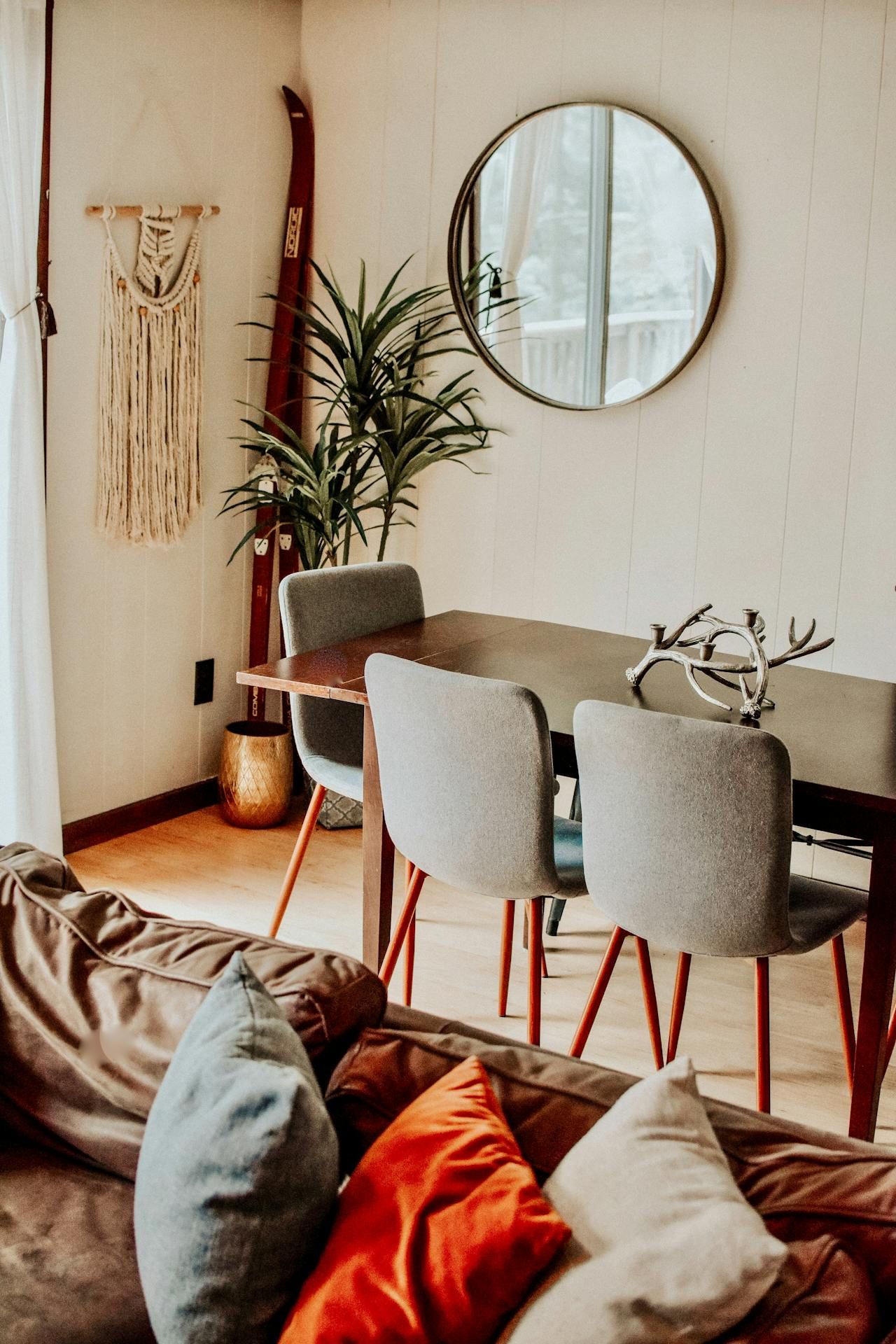
That said, B&Bs, guesthouses, and boutique inns have carved a strong niche. They’re particularly popular with travellers who want: local flavour and authentic interactions with hosts; quieter, smaller-scale stays (think countryside, historic towns, or neighbourhood gems); unique, characterful properties. Market research highlights that B&Bs have steady demand, and in some regions (rural areas, heritage destinations, small islands) they can outperform hotels for domestic travellers and experience-seeking visitors.
“At Roave Travel, we have noticed that many travelers still prefer hotels when going abroad because of the comfort, familiarity, and dependable service they offer. At the same time, more people are choosing B&Bs for their warmth and the chance to connect with local culture. Guests often say that staying in a B&B feels more personal and lets them see a destination from a local perspective. While price and comfort are still important, travelers now also look for experiences that feel genuine and memorable. In recent years, B&Bs have made big improvements in safety, with better check-in systems and clearer communication between hosts and guests. These days, it’s less about picking one type of stay over the other. Instead, travelers are looking for places that match their own pace, purpose, and personality,” says travel expert Dipti Behera.
Hotels dominate in volume and business travel; B&Bs win on authenticity and local experience. The “winner” depends on what the traveler values most.
I love the charm of B&Bs, but I prefer the convenience and structure that hotels provide. Here’s why:
Why I prefer Hotels over B&Bs – A personal take
I’m the kind of person who values peace of mind when staying somewhere new. Hotels generally have stronger safety measures — from 24/7 reception, CCTV, and secure room access to emergency protocols. For me, that level of security makes all the difference, especially when traveling alone.
The service level at most hotels is what keeps me coming back. Whether it’s room service after a long day or the concierge helping me with local tips, I love having reliable, professional support any time I need it. In a hotel, I know help is just a call or staircase away. Despite the fact that I love the décor and homely vibe of many B&Bs, I’m most comfortable in the professional setting of a hotel with quality bedding, soundproof rooms, and a proper desk if I need to work.
Another big perk? I often book flight-and-hotel packages. They’re not only convenient, but they also ensure I get a great deal with little effort. Everything is bundled together in one transaction, and I don’t have to worry about checking in at different locations or time frames.

Price matters, but it’s rarely the only factor. For many travelers, “value” equals price plus experience. B&Bs can be cheaper in some areas, but also surprisingly costly for very distinctive or historic properties. B&B rates commonly reflect the intimate, personalised experience they provide. Some are luxurious boutique stays; others are simple and homey.
“As someone who owns multiple Airbnb properties near Augusta National, I can tell you that travelers are increasingly choosing B&Bs and vacation rentals when going abroad because they’re seeking that personalized, local experience you simply can’t get in a cookie-cutter hotel chain. Drawing from my 15 years in hospitality, I’ve learned that guests value feeling like they’re part of the community rather than just another room number – they want recommendations on hidden local gems, the flexibility to enjoy morning coffee on a private porch, and spaces that feel like home rather than sterile rooms. The tipping point often comes down to group travel; families or friend groups abroad quickly realize that booking a B&B with a full kitchen and multiple bedrooms costs less per person than separate hotel rooms while offering exponentially more quality time together,” states Gene Martin, founder of Martin Legacy Holdings.
Unlike hotels, B&Bs may be tucked away in residential neighbourhoods, countryside hamlets or historic areas, perfect for travelers seeking a quieter or more “local” base. Authenticity and flavor is where B&Bs shine. Many guests choose them specifically to meet local hosts, eat local breakfasts, and stay in buildings with character (old townhouses, converted farmhouses). For travelers wanting to feel like a local rather than a tourist, B&Bs often win.
Jeremy Albelda is a travel expert at The World or Bust – “As a travel blogger, I usually spend more time in places than people just on a short vacation in order to really put my finger on the pulse of a place. This usually makes me opt for an airbnb because I have more space to set up my work station, cook if I feel like it, and even get to meet some of my neighbors if I’m lucky. Feeling like I’m actually ‘living’ somewhere makes me better understand the places I write about. If it’s a short stay, I usually opt for a hotel (2-3) nights as I enjoy being able to just show up, check in, and rest. Hotel rooms usually have a desk and fast WIFI which is great for getting some work done. Hotels are usually located in more central locations than airbnbs also so I can tackle more of a place in just a few days time.

On Booking.com, surveys indicate that:
- 67% of Gen Z and Millennials prefer “unique” accommodations like B&Bs and boutique stays at least once a year.
- 59% of travelers say safety and consistency are their top priorities when booking abroad, ranking higher than price alone.
So, what’s influencing these choices? Let’s dive deeper.
“As someone who’s renovated and managed properties for years, I’ve noticed travelers leaning more toward B&Bs when going abroad, largely because they offer a sense of home and immersion that hotels can’t match. Guests appreciate that authentic neighborhood feel–chatting with hosts, cooking local ingredients, or just having space to unwind. Hotels will always have their appeal for convenience, but more and more people are trading standardization for personalization and experiences that feel real,” – Matthew Slowik, founder and president of Revival Home Buyers.
Hotels dominate in volume and business travel; B&Bs win on authenticity and local experience. Hotels vs B&B? The “winner” depends on what the traveller values most. When people pick between hotels vs B&Bs, several practical and emotional factors come into play.
Hotels generally win on predictability: standardized rooms, consistent bedsheets, gym/spa/24-hour reception, and clear service levels. Frequent travelers who chase points and free nights will generally prefer hotels with loyalty programs. For occasional leisure travellers, the personal touch of a B&B can outweigh loyalty perks.
“When travelling, we tend to book hotels when staying in cities. The biggest factor for us is convenience. We want to be close to key attractions and transport, and we don’t want a long list of rules to follow at checkout. Hotels usually offer that seamless experience with 24-hour reception, luggage storage, and easy access to everything we need. That said, outside of cities, we are more open to alternative stays; places that offer a more authentic feel, like traditional homes, or something memorable like a treehouse. These stays add character to a trip, but only if they’re simple to book and hassle-free on arrival and departure. For us, it all comes down to ease of use, comfort, and location. We want a great place to stay that enhances our travel experience, not adds more work to it,” says Lisa Bundesen, travel writer.
How safe are B&B accommodations for guests?

Safety is an understandable concern. The short version: B&Bs can be just as safe as hotels, but the liability is more on the guest because standards and scale vary. Read recent reviews on trusted platforms, look for comments about cleanliness, safety, and host responsiveness. Check if the property is registered or licenced locally (where applicable). See if the B&B lists safety features: fire exits, first-aid kit, CCTV in common areas, secure parking, etc. Lastly, don’t forget to confirm cancellation and emergency contact procedures. Hotels have 24/7 reception; many B&Bs provide a host on-site or reachable by phone. CCTV in public areas is more common in hotels; some B&Bs also use cameras in shared spaces (never in private rooms).
If these are listed or mentioned in property descriptions, that’s a good sign. If not, ask the host or front desk before completing a booking.
B&Bs are small businesses, so their protective mechanisms and formal policies can differ dramatically. Still, many offer:
- Clear cancellation policies — often posted at booking time; flexible hosts may offer refunds or rebooking when unexpected issues arise.
- Complaint procedures — a way to escalate problems to the host, the platform (e.g., Booking.com, Airbnb), or local tourism officers.
- Liability insurance — to cover accidents on property if the B&B is properly registered and insured.
- Alternative accommodation — in some cases, if the host can’t meet the reservation due to overbooking or emergency, they may arrange nearby lodging or a refund.
- Mediation via booking platforms — major OTAs (online travel agencies) often mediate disputes and can refund or rehouse guests in legitimate cases.
Trends shaping the future of Hotels and B&B accommodations
“Travelers abroad are still leaning toward hotels, mainly for familiarity, professional service, and the sense of security they provide. Hotels offer consistency like 24/7 front desk support, standardized amenities, and established safety measures that make many people feel more comfortable, especially in unfamiliar countries. That said, B&Bs have grown significantly in popularity, especially among younger and budget-conscious travelers who want authenticity, cultural immersion, and a more personal connection with their hosts.
The choice often comes down to purpose. Families and business travelers tend to favour hotels for convenience, while solo travelers and couples looking for unique experiences are more likely to pick B&Bs. Factors like price, location, and amenities remain important, but authenticity and the “live like a local” feel are now strong motivators driving B&B bookings.
In terms of trends, I’ve noticed more travelers blending both: booking hotels for the first nights of a trip (safety and predictability) and then moving to B&Bs once they feel settled. Boutique hotels are also borrowing from the B&B model, offering more personalized stays to compete with this shift.
On safety, reputable B&Bs are highly conscious of guest protection. Most provide secure locks, CCTV in public areas, fire safety systems, and emergency contacts. Many rely on trusted booking platforms that add another layer of accountability, ensuring refunds or mediation if something goes wrong. While they may not always have on-site security staff like hotels, strong reviews, clear policies, and host transparency have made B&Bs increasingly safe and reliable for international travelers,” according to budget travel enthusiast and guide Chinyelu Karibi-Whyte at Tripping Eagle.
Many travellers now value authentic stays more than rigid luxury. That’s helping hotels and B&Bs compete. Booking platforms and travelers alike report a rising interest in meaningful, local experiences. Platforms like Airbnb and others have broadened what “B&B-like” accommodation means, increasing competition but also raising standards for small hosts. Hotels respond with improved digital services and unique local offerings.
Both hotels and B&Bs rely more on digital platforms, guest reviews, and contactless services. This transparency helps travellers choose confidently (even for small inns tucked off the beaten path).
“From my experience in real estate investment and property management, I’m seeing a clear shift toward B&Bs and vacation rentals, especially for international travel. Investors I work with are capitalizing on this trend – we’ve helped fund dozens of short-term rental properties because the numbers simply work better than traditional hotels for many travelers. The main driver is value and space; travelers want that authentic local experience plus the ability to cook their own meals and spread out, which becomes crucial on longer international trips where hotel costs can quickly spiral out of control,” says Erik Daley, founder and co-owner of Highest Offer.
Marketing Director of Autostar Heavy Duty says, “When vacationing abroad, travelers are currently choosing B&Bs and specialized short-term rentals more often than traditional hotels. This is driven by the Desire for Localized Operational Immersion.
The main factor influencing this choice is the Authenticity and Value Coefficient. While hotels guarantee a standardized, repeatable experience—the reliable, but unexciting, performance of a standard heavy duty trucks fleet—B&Bs promise a unique, high-touch local experience at a reduced cost. Price is secondary to the perceived return on cultural investment. Travelers seek an experience that is certified by local knowledge, demanding more than generic comfort or amenities.
A recent shift is the enforcement of the Audited Security Protocol. As B&Bs scale, traveler concern about safety becomes the primary operational liability. Reputable B&Bs mitigate this by implementing mandatory safety features: verifiable lock systems, comprehensive liability insurance, and clear emergency response procedures—often managed via a dedicated host and detailed safety documentation.
In the rare case of an issue, B&Bs offer protection through their host’s Immediate Response Mandate and third-party booking platform insurance policies. This personal intervention acts as the first line of defense, exceeding the impersonal protocol of a large hotel chain. The safety of a B&B relies on the high-touch, human-centric operational model.”
Practical tips for travelers deciding between Hotels vs B&Bs
If you’re still undecided, here’s a short decision checklist:
- Want consistent services, chains, or loyalty points? Pick a hotel.
- Want a local, personal experience and host interaction? Choose a B&B.
- Travelling for work or arriving late? Hotel for 24/7 reception.
- Looking for a quiet, romantic escape or rural stay? B&B often fits better.
- Prioritise standardized hygiene and clear refunds? Hotels often provide clearer corporate policies; confirm B&B policies before booking.
- Budget-conscious? Compare both. You might be surprised. Small B&Bs can be economical, but unique properties can be premium-priced.
The landscape isn’t “hotels vs B&Bs” so much as “hotels and B&Bs serving different travel needs.” Hotels will remain dominant for their scale, consistency, and amenity offerings. Meanwhile, B&Bs and boutique stays will keep thriving where travelers seek authenticity, story, and local connection.
As technology improves booking transparency and platforms enforce higher standards, travelers will be able to confidently choose small, local lodging without sacrificing safety or predictability. Sustainability, local impact, and authentic experiences will remain key drivers for B&B growth, while hotels will continue evolving toward localised, boutique-feeling properties to meet demand.
If you’re a traveler: pick the option that fits the experience you want, check reviews, and confirm safety and policies before booking. If you’re a host: invest in safety, transparency, and responsiveness, and respect the choice of each person – those are the traits guests reward with five-star reviews.