
 Christina Nixon
In the dazzling world of luxury dining, where artistry meets culinary excellence, pursuing perfection can be as intoxicating as the finest wine or the most elaborate tasting menu. It is a realm reserved for the elite, where exclusivity reigns, and food becomes not just sustenance but a symbol of status, power, and indulgence. Yet beneath this glamorous veneer lies a more sinister reality, one that is deftly explored in the darkly satirical film “The Menu“. Directed by Mark Mylod and released in 2022, the film takes viewers on an unsettling journey into the hidden tensions, egos, and excesses that often accompany high-end cuisine, exposing the dark side of a world many covet but few truly understand.
“A dark, twisted delight”, and “a delectably nasty treat that leaves a lasting impact”, “The Menu” film focuses on a couple (Anya Taylor-Joy and Nicholas Hoult) who travel to a coastal island to eat at an exclusive restaurant where the chef (Ralph Fiennes) has prepared a lavish menu, with some shocking surprises. They soon join a select few diners for an evening of culinary spectacle, paying over $1,000 for the privilege. In this exclusive setting, the head chef describes a menu that promises to deliver “fat, salt, sugar, protein, bacteria, fungi, various plants and animals, and, at times, entire ecosystems”. But as “The Menu” unravels, what starts as an extravagant culinary adventure shifts into something far more disturbing.
At first, the experience may seem like a foodie’s dream come true—a once-in-a-lifetime opportunity to indulge in the most elite dining experience imaginable. But as the film’s tension builds, it transforms into a sharp and biting critique of the high-stakes restaurant industry, concealed behind the mask of a slow-burning horror. The real question emerges, and it’s no longer just about checking off a bucket-list meal: How far are you willing to go in your pursuit of the world’s most exclusive foods? Would you risk not only your money but your very life for a taste of perfection? It’s not just a question of how much you’re willing to pay; it’s a question of how much of yourself you’re willing to sacrifice.
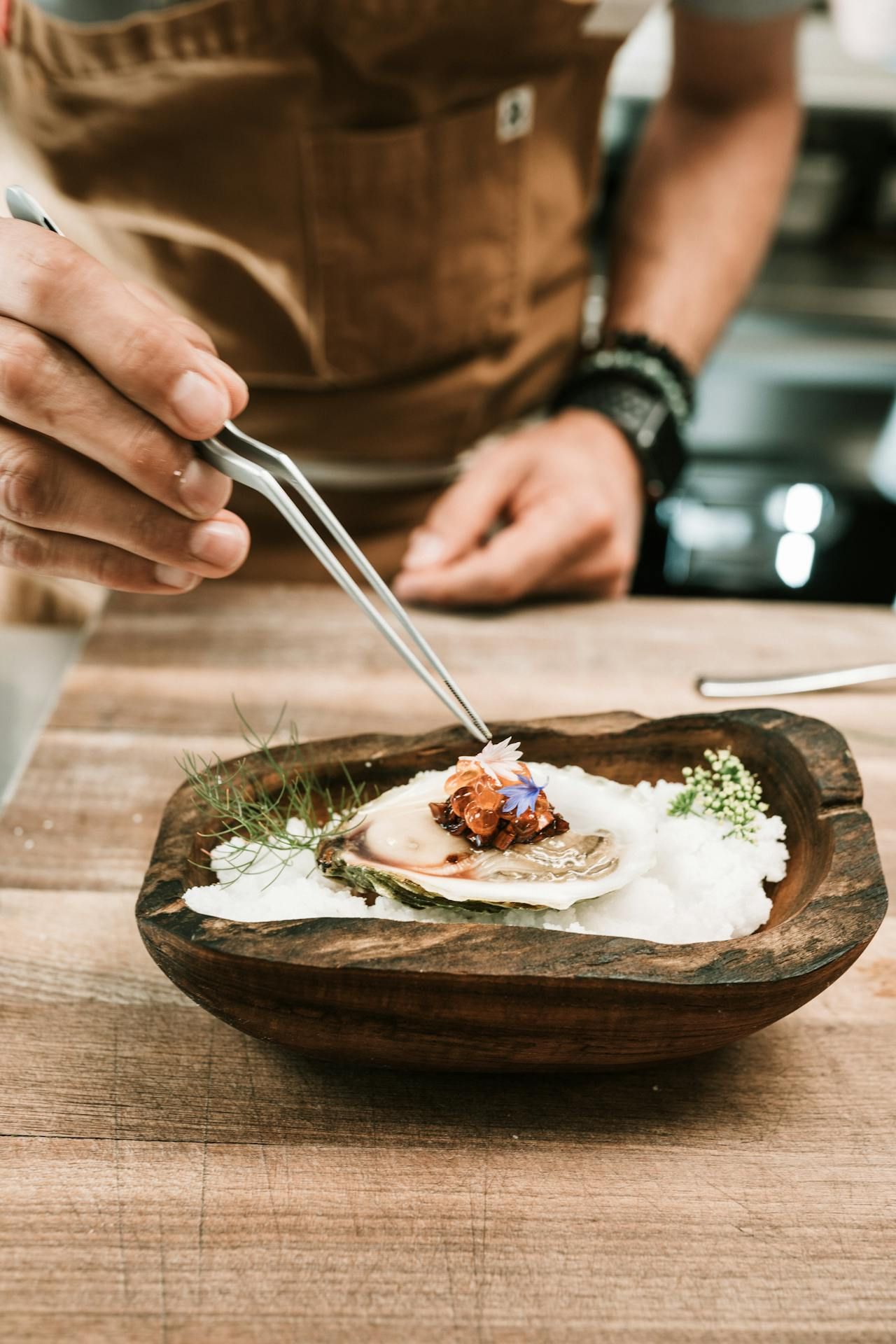
To those on the outside, luxury dining is the epitome of elegance and refinement. Chefs are revered as modern-day alchemists, transforming simple ingredients into dishes that are not only delicious but also visually stunning. Patrons willingly spend hundreds, if not thousands, of dollars on a single meal, reveling in the exclusivity of it all—the waitlist, the reservation secured months in advance, and the hushed tones of servers as they introduce each course. This world, as portrayed in “The Menu” film, is one of grandeur and excess, a spectacle designed to cater to the whims of the privileged few.
The film’s protagonist, Margot, played brilliantly by Anya Taylor-Joy (“Last Night In Soho”, “The Queen’s Gambit”), is thrust into this world reluctantly, as someone who doesn’t quite belong in the rarified air of the restaurant at the center of the story. Through her eyes, we see the pretentiousness, the over-the-top rituals, and the unspoken agreement that to be wealthy is to be worthy of such experiences. But as the story unfolds, the cracks in this facade begin to show, and we are confronted with a darker, more disturbing truth.
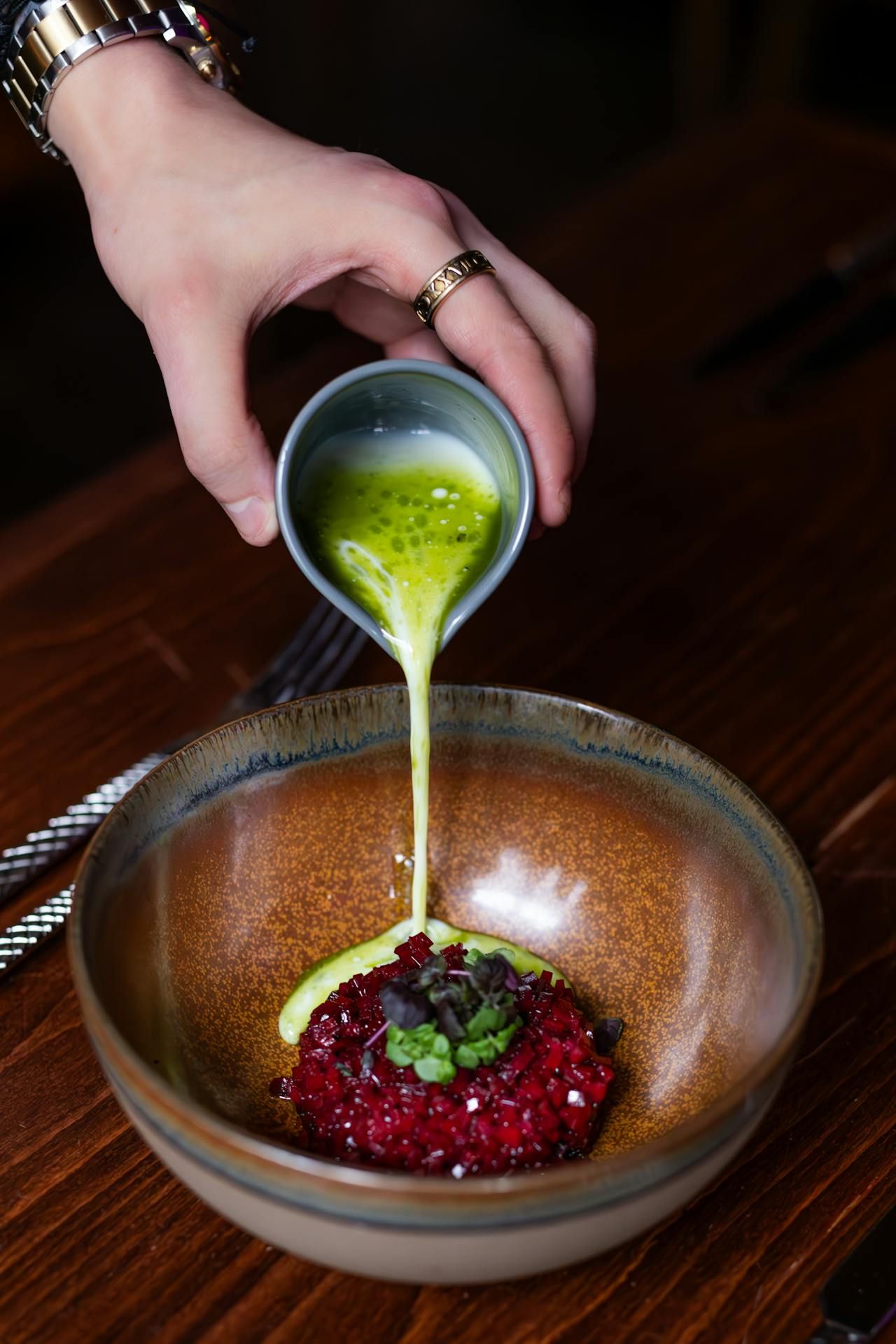
The film’s central figure, Chef Slowik (played by Ralph Fiennes), is the embodiment of the tortured genius, a man who has sacrificed everything for his art, demanding absolute perfection from his staff and expecting nothing less than total obedience. In many ways, Chef Slowik is a metaphor for the larger-than-life figures who dominate the culinary world, individuals who are often revered but whose temperamental nature and dictatorial management style can make working under them a nightmare. The film portrays the kitchen as a place of intense pressure and relentless demands, where creativity is stifled by the weight of expectation and the constant need to innovate. For Slowik, the joy of cooking has long since disappeared, replaced by a growing sense of resentment and disillusionment.
The power imbalance is palpable, with Chef Slowik wielding control not only over his kitchen but over his wealthy clientele as well. His dishes are less about pleasing the palate and more about asserting dominance, forcing his guests to participate in a ritual of submission where they are expected to appreciate every bite without question.
Do not eat. Taste. Savor. Relish. Consider every morsel that you place inside your mouth. Be mindful. But do not eat. Our menu is too precious for that. And look around you. Here we are on this island. Accept. Accept all of it. And forgive.
At its heart, The Menu is a razor-sharp dark comedy about power, privilege, and the unspoken hierarchy that exists between those who serve and those who are served. The film takes us into a world where wealth and status dictate behavior, and where the dining table becomes a stage for deeper social tensions.
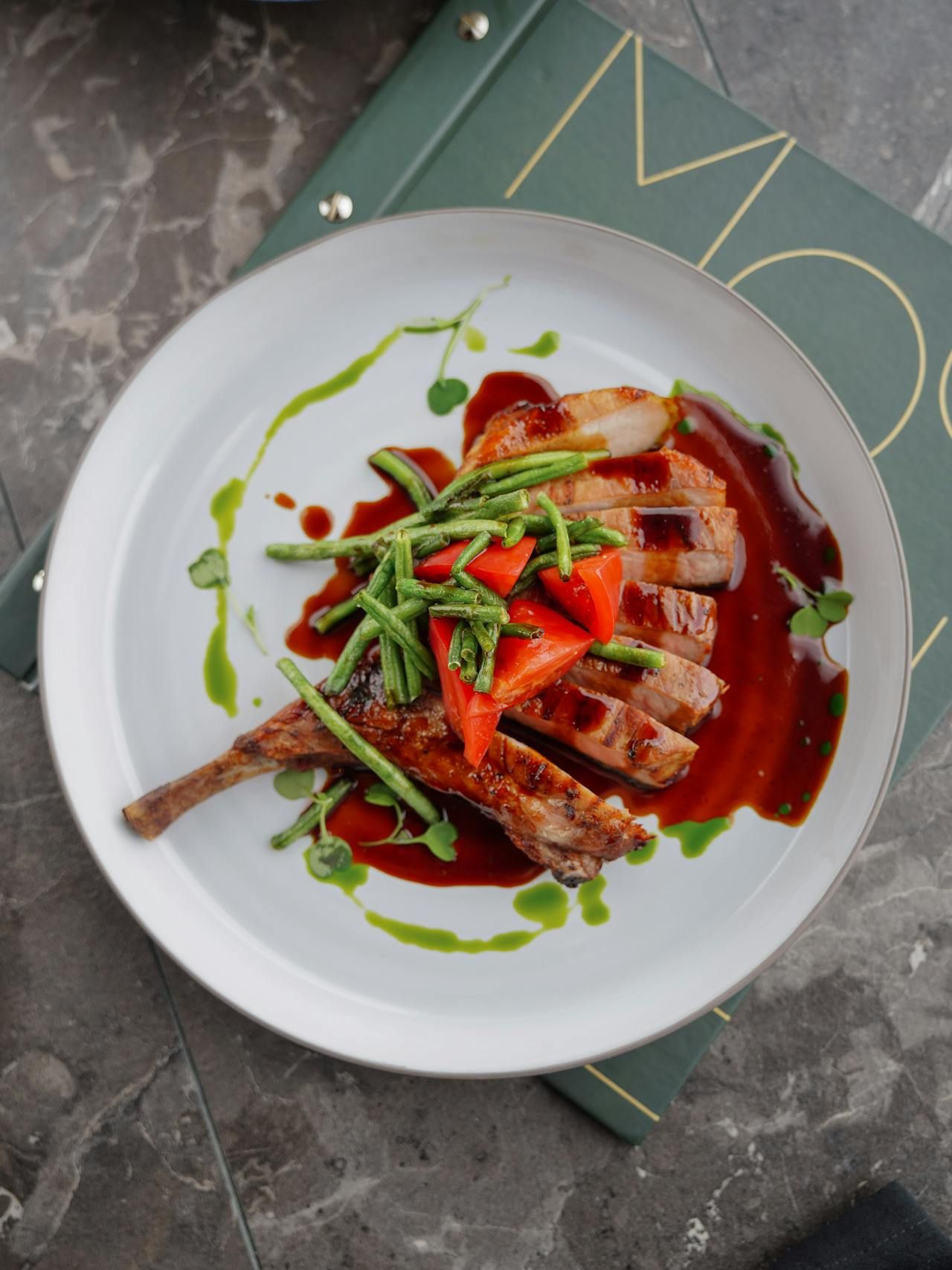
If “The Menu” makes you squirm in your seat, it’s by design. The film isn’t meant to simply entertain; it’s meant to provoke, to unsettle, and to make you confront uncomfortable truths about the ways class and privilege operate in seemingly innocuous settings like a high-end restaurant. The rituals, the extravagance, and even the very idea of paying astronomical sums for food are all scrutinized with a biting, satirical edge. As the film progresses, we see the cracks in the characters’ carefully curated personas—the businessman, the foodie, the influencer—all of whom are there not for the food itself, but for the status that comes with being seen at such an exclusive venue, while kitchen staff are portrayed as faceless, nameless figures, working in unison to execute the chef’s vision, in order to create the perfect dining experience.
The kitchen becomes a metaphor for the larger societal pressures to conform, to sacrifice individuality for the sake of perfection and prestige. It’s a haunting reminder that in the quest for success, we can lose sight of what truly matters—our humanity, our joy, and our connection to others.
In the world of haute cuisine, the stakes are high, and the pressure to maintain an impeccable standard can be overwhelming. For Chef Slowik, this pressure has become unbearable, driving him to the brink of madness. His pursuit of culinary excellence has cost him everything—his passion, his integrity, and, ultimately, his sanity. In one particularly poignant scene, he confesses that he no longer enjoys cooking, that it has become a burden rather than a source of joy.
Elsa: You will eat less than you desire and more than you deserve.

This theme of disillusionment is not unique to the world of food. It speaks to a broader cultural obsession with success and achievement, where the relentless pursuit of perfection can lead to burnout and a sense of emptiness. In “The Menu“, this obsession is taken to its extreme, with devastating consequences. The film serves as a cautionary tale, warning us of the dangers of placing too much value on external markers of success—whether it’s a Michelin star, a prestigious award, or the approval of the elite.
“The Menu” film peels back the opulent layers of luxury dining to reveal the darkness lurking beneath. It is a world where excess and indulgence are celebrated, but where the cost of maintaining such a facade is steep. The film invites us to confront the truths about the way we consume—whether it’s food, culture, or even relationships—and the ways in which we can lose ourselves in the pursuit of something that, in the end, may not be worth the price. Each recipe is depicted in full detail on screen, pushing the story forward while exposing the darker side of luxury dining.
Pressure to put out the best food in the world. And even when all goes right, and the food is perfect, and the customers are happy, and the critics are, too, there is no way to avoid the mess. The mess you make of your life, of your body, of your sanity, by giving everything you have to pleasing people you will never know.
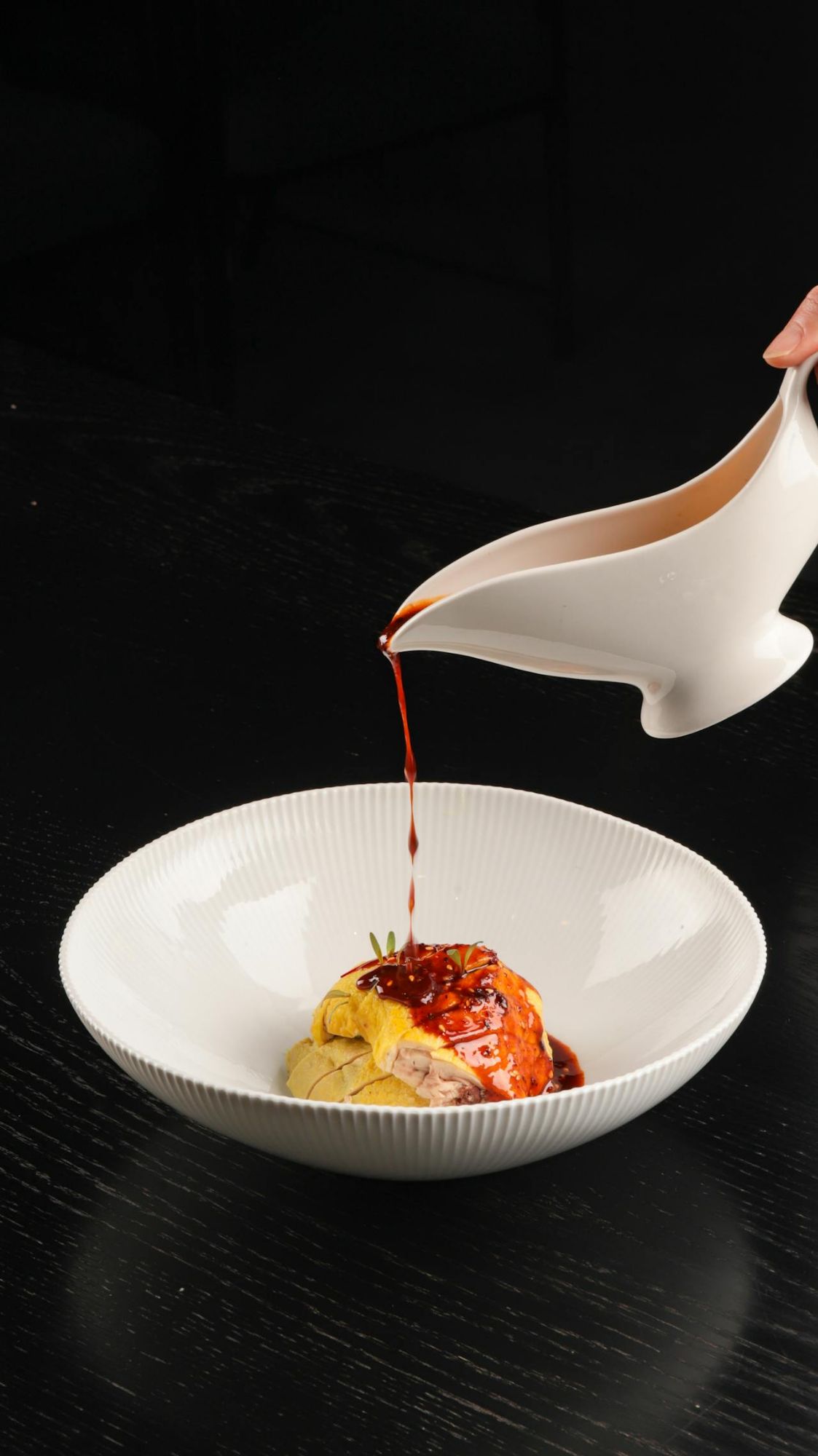
The glossy allure of fine dining quickly peels away, revealing the sinister undercurrents of obsession, power, and control that underpin the haute cuisine world. In the end, the meal becomes a metaphor for consumption in its darkest form, leaving you to wonder: Is the price of indulgence ever truly worth it?