

 Christina Nixon

This is the first time I’ve ordered season illustrated postcards, and I decided to try them because they’re a simple way to experience different cultures and connect with people from all over the world. If you’ve been wondering whether season illustrated postcards are worth the effort of ordering from abroad, this article is my attempt at an answer. I’ll cover what they are and why they work so well as a small piece of travel content. There’s a checklist for choosing them near the end too, along with some ideas for what to do with them once they’ve arrived.
What are season illustrated postcards?
Season illustrated postcards are exactly what they sound like: postcards where the artwork is tied to a particular time of year, so that instead of the usual landmark photo you get a drawing of something specific to that month, like a flower that has just come into bloom, an animal that’s busy before winter, a field after harvest or a village street under snow. Most of them have a short message on the back as well, either handwritten or printed, and that message is usually where you find out what was actually going on in that place while the picture was being drawn. You’ll find them in a few places:
- Traditional greeting cards, such as New Year and Christmas cards
- Monthly or quarterly series by individual illustrators, often sold through their own online shops
- Small shops and studios that print a limited run for each season
- Museum and gallery shops with seasonal paintings and prints
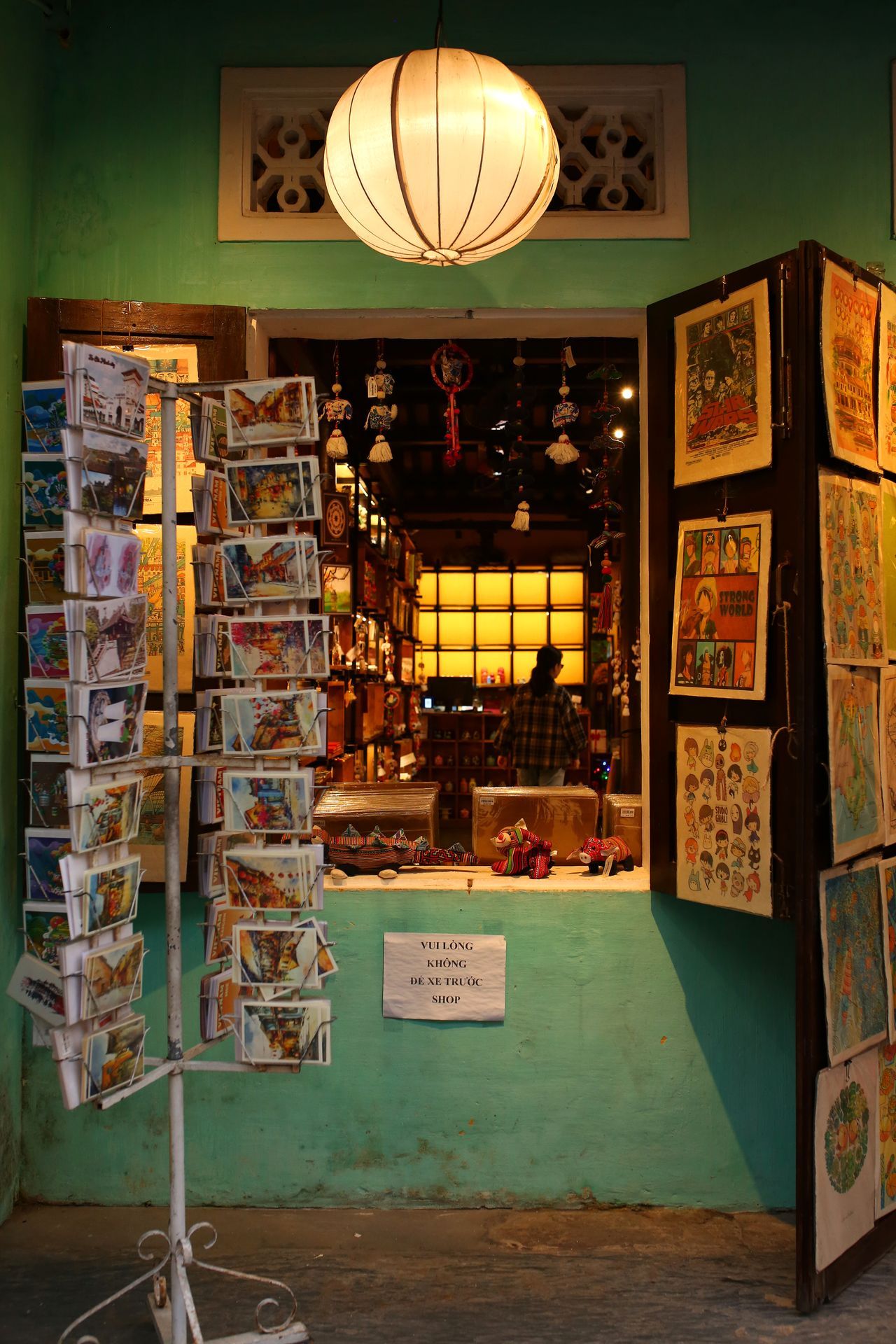
A few practical reasons they work:
- Someone looked at everything they could have drawn that month and decided this was the picture to send.
- You can pin one up, use it as a bookmark, or keep it in a notebook.
- A few lines on the back are enough to describe a place without turning into a travel guide, and they’re quick enough to read that you’ll actually do it.
That last point matters most to me because I write about travel, and general descriptions of a country are easy to find, whereas a note about what one village looks like in the second half of October is much harder to come by and a lot more helpful when you’re deciding where to go and when.
Ordering season illustrated postcards from abroad means waiting for them, since a card posted from Japan can take days or weeks to reach Europe or North America and a series that ships on a monthly schedule puts a fixed date on top of that, but I’ve come to treat the wait as part of how the product works rather than a drawback.
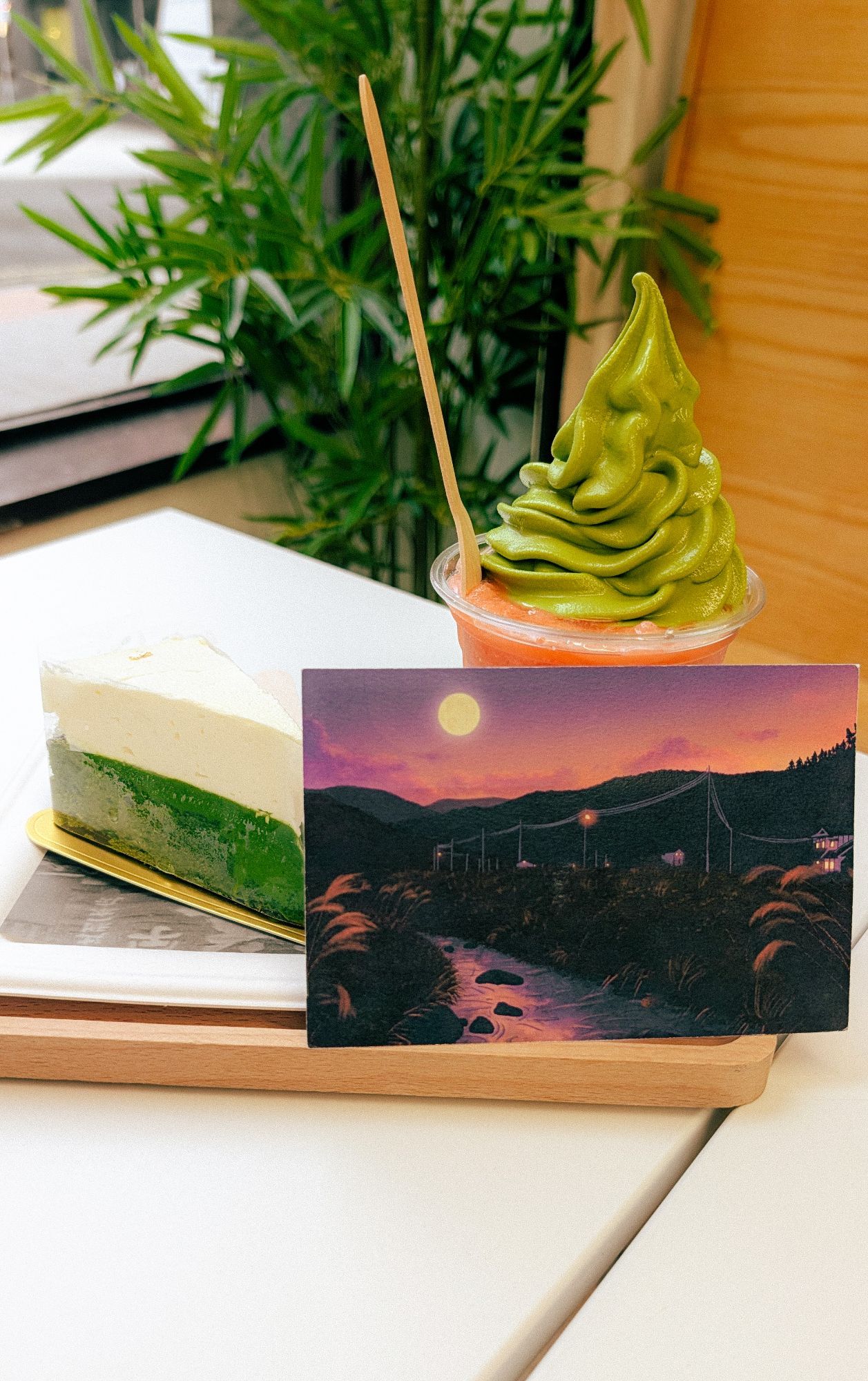
The ones I’ve ordered come from Sasaguma, a small Japanese shop. The series is called Yukkuri Letter, sold as the Japanese Satoyama Postcard Club. Each month a new original illustration is made, inspired by the seasons, landscapes and animals of the Japanese satoyama, and it might turn out to be a forest animal, a seasonal flower, a quiet rural landscape or a small moment from everyday life in the countryside. The back of the card carries a printed message from the person who makes them, describing something they noticed or experienced while living close to nature, which means the picture shows you what the place looks like while the message tells you what’s happening there that month. Additionally, the shop states that every illustration is created without AI, which I think is worth knowing when you’re paying for original artwork.

How to choose season illustrated postcards
Since this is my first time ordering season illustrated postcards, I put together a short checklist of what I looked for before placing my orders, and while it isn’t scientific, it’s a sensible starting point if you’re choosing your own for the first time.
- Check who made it. A named illustrator, or a studio that explains how its cards are made, is usually a good sign.
- Look at the damage policy. Post does occasionally get lost or marked, and a shop that says what it will do about that is easier to trust.
- Understand the timing. If a series ships at a set point in the month, know which edition you’ll get before you pay for it.
- Ask whether you’d keep it. If you can picture it on a shelf in six months, it’s worth ordering.

It’s easy to end up with a pile of cards in a drawer, so here are the uses I’ve found practical:
- Bookmarks. A postcard is about the right size for a paperback,
- Journal pages. If you keep a notebook, a postcard next to your own notes adds context to the entry,
- A visual board. Add a few to the visual board you keep near your desk and your workspace, with the added benefit that your next trip ideas are right there in front of you.
- Social media. If you run a travel blog or a social account, a postcard is also easy to photograph (window light and a plain background is all it needs).
What I like most about season illustrated postcards is how personal they feel. Someone on the other side of the world sat down, drew the month the way they saw it, wrote a few lines about it and sent it off to you, and when it lands on your doorsteps it’s like a small ‘hello’ from a place you may never have visited.
They won’t replace the souvenirs I bring back from a trip and I’ll keep collecting those too, but they’re a friendly companion to them and a lovely way to stay connected to other cultures from wherever you are. If you have a spare corner of a shelf and a few weeks to wait for delivery, season illustrated postcards from Japan or anywhere else are well worth it, and if you have an illustrator or postcard series you’d recommend, leave it in the comments so I can add it to my list and keep the hellos coming.


This is such a beautiful and meaningful concept!
It’s definitely something that brings a bit of sunshine into someone else’s life by showing them a glimpse of life from a different country 🙂
Thanks for sharing, I love postcards and buy lots on my trips that I keep in photograph albums, to remind me of them and the ones my parents send me on their holidays I do the same, great ideas shared 🙂