
 Christina Nixon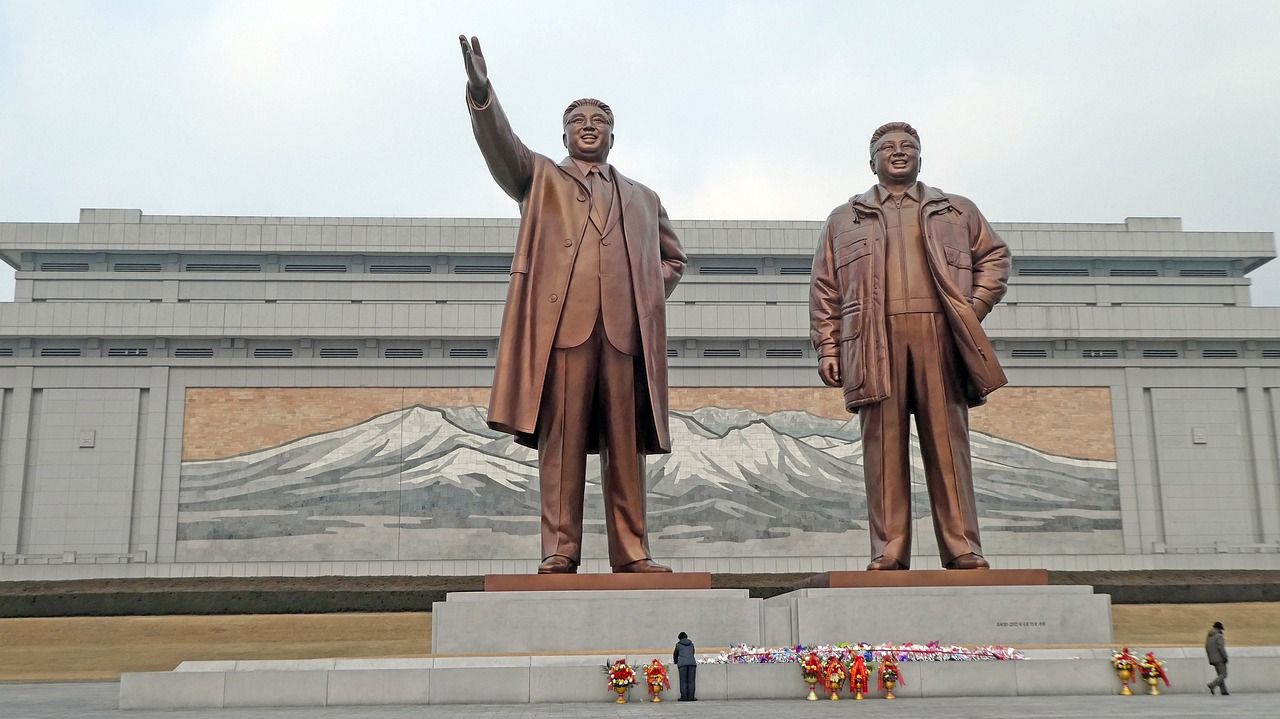
For decades, few places on earth have captured the global imagination quite like the Democratic People’s Republic of Korea (DPRK). Often referred to as the ‘Hermit Kingdom,’ this name reflects its profound isolation, rigid political structure, and the thick veil of secrecy that surrounds its borders. However, despite (or perhaps because of) this unique mystique, a few North Korea tour packages have emerged online. Marketing a destination that is structurally disconnected from the global internet, operating entirely outside traditional international tourism frameworks, presents a fascinating question. How do you convince someone from a hyper-connected, modern society to willingly spend their vacation days and thousands of dollars to go to a place where they will have no freedom of movement, no global connectivity, and will be under strict state surveillance?
The answer lies in a masterfully executed strategy that is becoming increasingly visible across social media platforms such as Instagram, TikTok, and Facebook. When travel agencies advertise tours to North Korea, their websites and brochures usually steer clear of the intense political controversies and the serious challenges reported by defectors and human rights groups. Instead, they focus on the highlights and experiences available to tourists, leaving the deeper issues largely unmentioned. Digital marketing strategies present North Korea as a spotless, pastel-colored, retro-futuristic capital filled with cheerful locals, spotless streets, and unexpectedly lively shopping centres.
Why Travel Agencies Only Show the Bright Side of North Korea
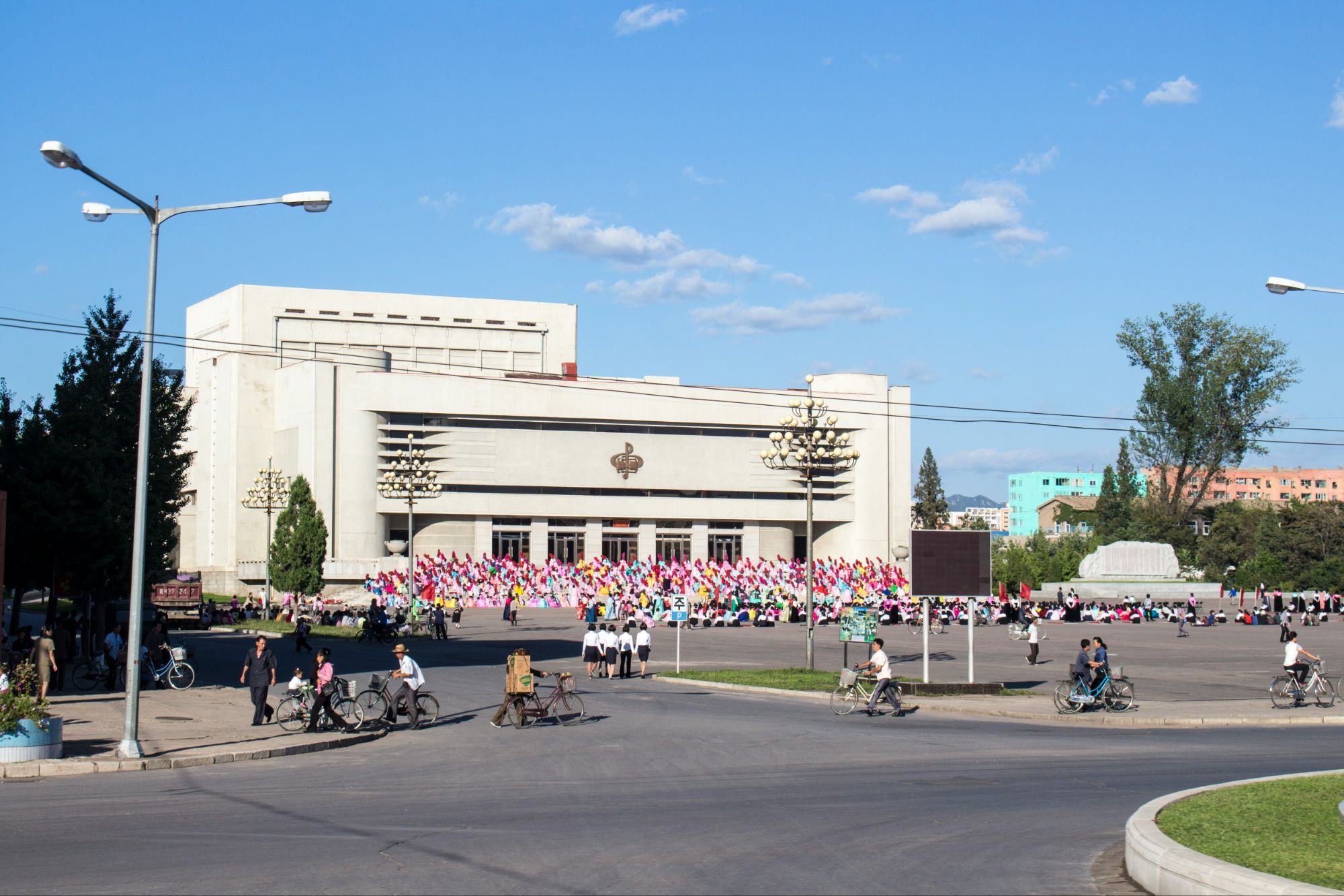
Tourism is a business, and North Korea comes with a lot of baggage. If agencies want you to book a trip, they have to make the country look safe, welcoming, and worth your money. So, the less you see about politics or hardships, the more likely you are to want to visit. Tourism is an industry built on dreams, comfort, and a sense of adventure.
Following a lengthy period of border closures, a significant wave of online content has been shared by visitors from neighboring allies like Russia and China. Delegations, content creators, and tourists from these countries have enjoyed unique access to North Korea. And because these creators come from nations with close diplomatic ties to the DPRK, their posts are often entirely uncritical. Their videos often emphasize discipline, order, patriotism, and traditional values rather than human rights concerns. Some creators even portray North Korea as safer, cleaner, or morally superior to chaotic modern capitalist societies. Yet critics argue that these portrayals are deeply misleading.
The planned routes revolve almost exclusively around Pyongyang, North Korea’s showcase city. The government works overtime to make sure everything looks flawless. Locals are always impeccably dressed, and you’ll only be allowed to take photos when your guides give you permission. Even on those rare trips outside the capital, things are still tightly controlled. Defectors have pointed out that the rural cooperatives and model villages opened up for tourists are choreographed down to the smallest detail, leaving the deep struggles of the wider population entirely invisible to the camera lens.
Why Being a Tourist Is Different Than Being a Local
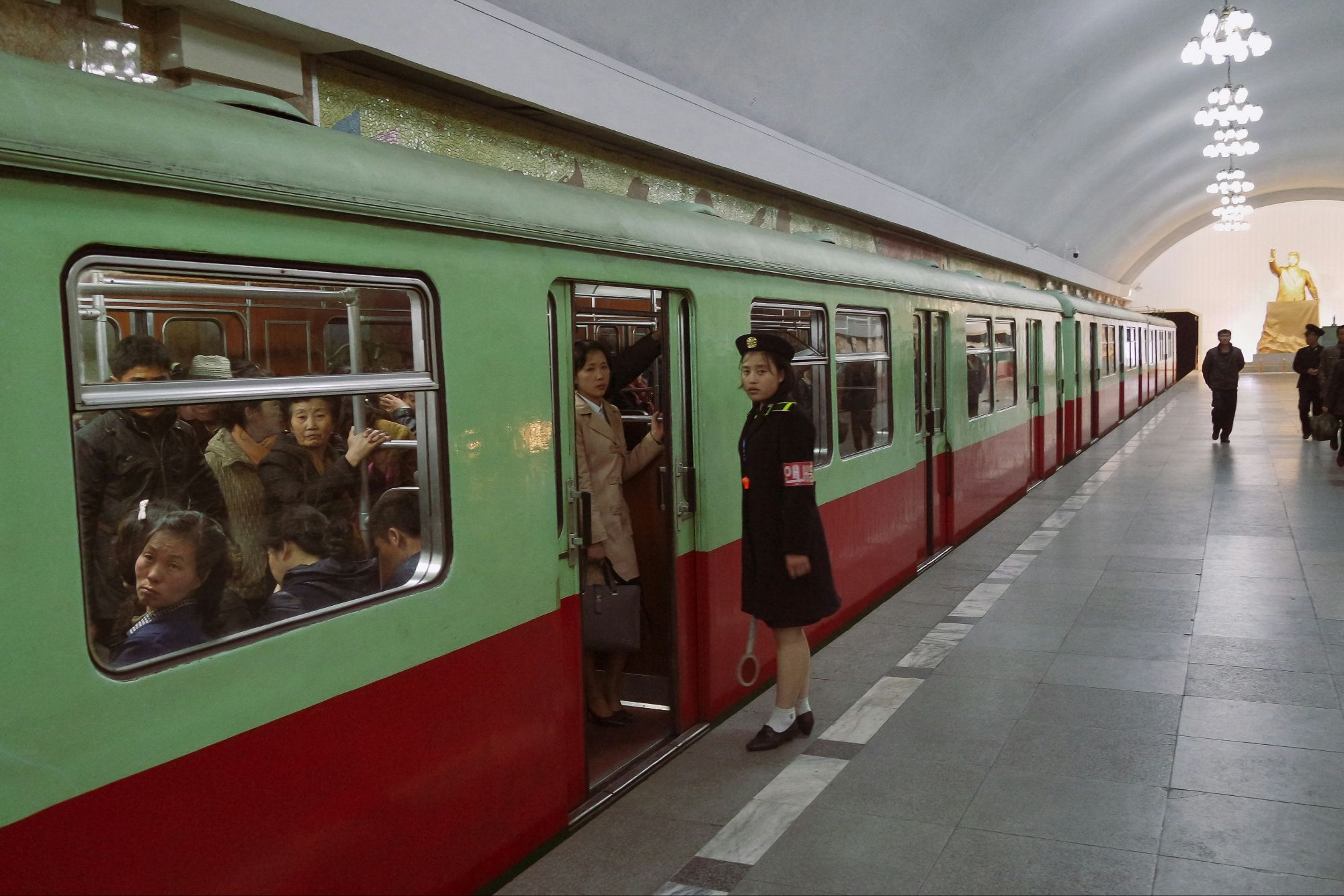
When you buy one of the North Korea Tour Packages, you are buying temporary access to privileges denied to the very people who live there. While a tourist can pay a premium to access the internet from the comfort of a luxury hotel lobby, the general population is completely barred from the outside world. There is no public WiFi. Citizens cannot tune into Western television programs or access global data. Instead, online basic technology is entirely monitored by the state, restricting ordinary people to a closed domestic intranet filled with government propaganda. Also, keep this in mind: most tourists visiting North Korea never experience the country freely. This is one of the most important facts often missing from promotional content. Movement is controlled. Photography often requires permission. Visitors cannot simply wander through neighborhoods speaking openly with ordinary citizens. Tourists are typically taken to monuments, museums, restaurants, schools, performance halls, and tourist-approved streets within Pyongyang.
But Pyongyang is not representative of ordinary North Korean life. Citizens chosen to live in Pyongyang are often considered politically loyal or socially privileged compared to people living elsewhere in the country. Some travel agencies include countryside excursions within North Korea Tour Packages, promoting them as more “authentic” experiences. Yet many critics question whether even these rural visits are tightly managed. Could these areas also be selected specifically for foreigners? Could interactions be staged? Could local residents be instructed how to behave around tourists? Given the country’s extensive surveillance system, many analysts and defectors believe the answer is yes.
Traditional Heritage vs. Totalitarian Control
Travel operators frequently instruct tourists to show respect for North Korean “tradition” by following strict local etiquette. On the surface, this seems reasonable. After all, every country deserves cultural respect from visitors. Tourists visiting religious sites in Thailand, Japan, or India are expected to behave appropriately. However, North Korea raises a much more uncomfortable question. When does respecting “tradition” become complying with dictatorship?
Tour guides instruct tourists not to criticize the leadership, not to fold newspapers displaying leader portraits, and not to photograph statues improperly. Visitors are expected to bow before monuments. Political conversations (if they take place) become sensitive. Criticism can create serious consequences not only for tourists but also for guides and local citizens interacting with them.
Many travel companies frame these expectations as cultural respect. But critics argue these practices are not ancient traditions at all. They are products of an authoritarian political system.
At the center of North Korea’s ideological structure lies Juche, the state philosophy of self-resiliance. On paper, it promotes national independence, economic self-sufficiency, and political autonomy. Yet in practice, critics argue Juche functions as a mechanism of control. The ideology reinforces obedience to leadership. It encourages citizens to place collective loyalty above individual freedom. It frames external influences as dangerous. By controlling information, education, and ideology, the regime strengthens dependency upon the state itself.
So, are travelers discovering a hidden culture unfairly demonized by Western media? Or are tourists participating in a carefully manufactured performance designed to hide the darker realities described by defectors who risked everything to escape?
The country is often presented as “misunderstood” or “different from what the Western media says,” and many younger audiences are attracted to content challenging Western political perspectives. However, the issue is not necessarily what is shown. The issue is what is deliberately hidden.
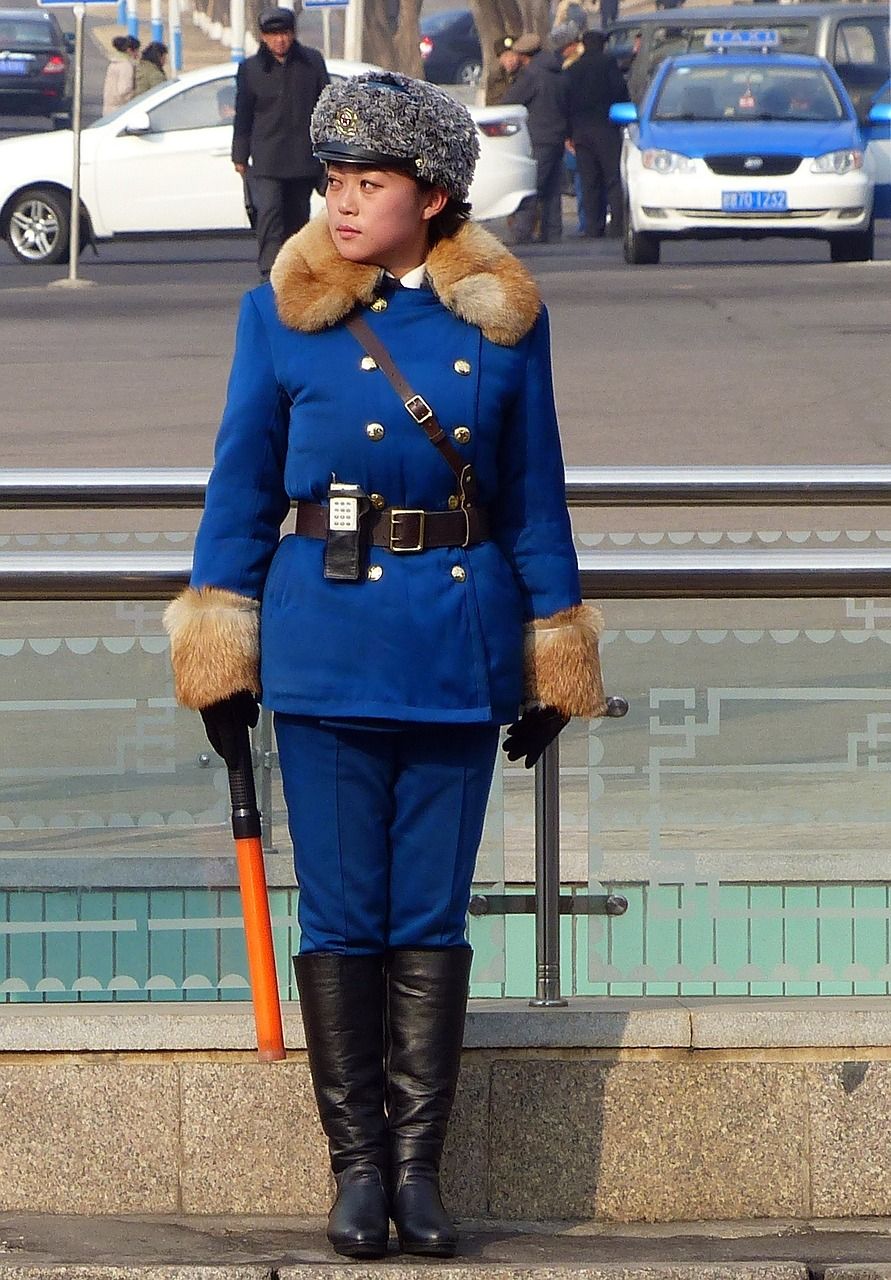
True individual choices, such as personal religious faith, have been completely banned by the state. The supreme irony is that the leadership systematically appropriated Christian imagery and dogmatic structures for the sole purpose of self-promotion. Is this truly national pride? Or is it indoctrination? In many authoritarian systems throughout history, leaders have attempted to cultivate a near-divine public status. North Korea represents one of the most extreme examples of personality cult politics in the modern world. Defectors frequently describe growing up surrounded by mandatory praise, political education sessions, and constant exposure to leadership worship. Criticism of leadership is not treated as free speech. It is treated as political crime.
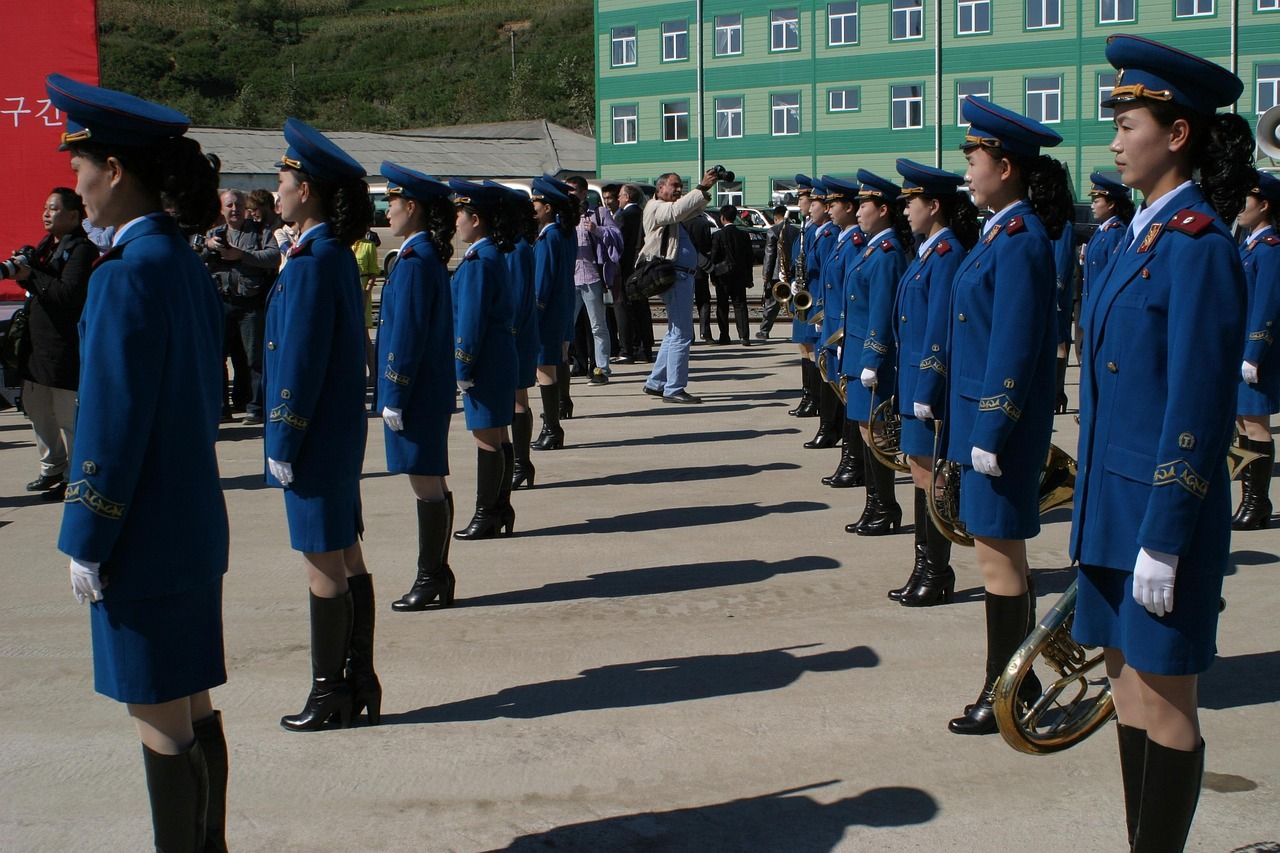
Defectors provide some of the most detailed firsthand accounts available regarding life inside the country. Many recount watching public executions. Others describe punishments for consuming foreign media. Some escaped after experiencing extreme poverty or political persecution. Books such as Nothing to Envy by Barbara Demick offer deeply emotional insights into ordinary North Korean lives. The stories are heartbreaking precisely because they reveal human complexity. Tourism representatives rarely acknowledge these realities. Instead, they often focus on novelty and a “misunderstood culture.”
Perhaps one of the most ironic aspects of North Korea tourism is the imbalance of freedom between tourists and citizens. Foreign travelers can visit North Korea out of curiosity, adventure, or cultural interest. They can leave. They can return home. They can share videos online, and yes, they can write articles. North Korean citizens themselves do not possess these freedoms. Ordinary people cannot freely travel abroad. They cannot simply decide to study in Europe, work in America, or move to another country. They cannot openly purchase homes overseas or build independent lives in foreign nations. Travel opportunities are generally restricted to highly trusted individuals connected to the regime, government, military, or elite social classes. Political loyalty matters enormously. Which means that tourism advertisements encourage foreigners to experience a country whose own citizens remain largely unable to experience the outside world themselves.
Should You Travel To North Korea?
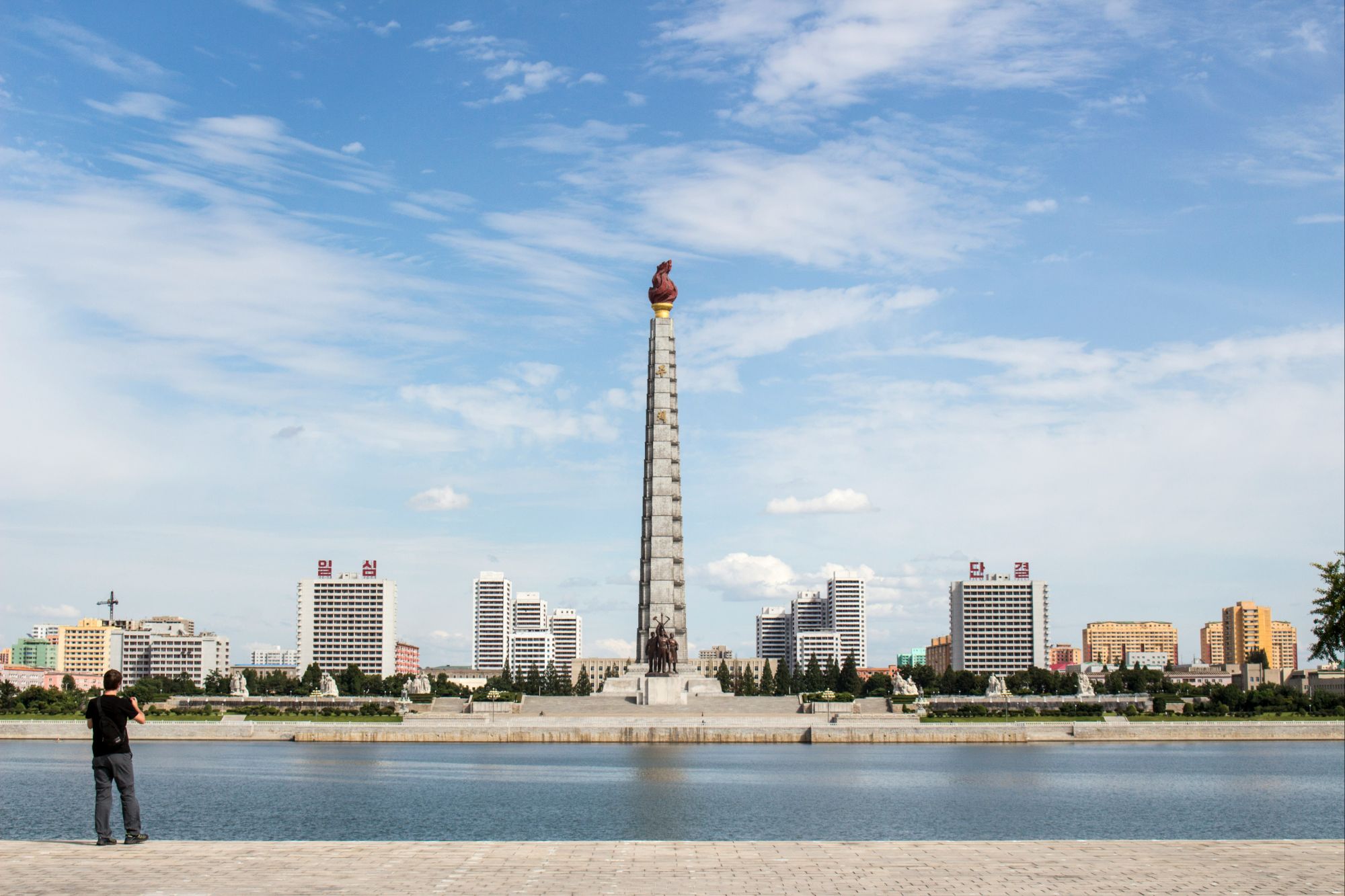
Humans are naturally drawn toward places hidden from ordinary experiences. To some visitors, the absence of advertising billboards, social media culture, or vehicle pollution creates a strangely peaceful atmosphere. Others describe it as eerie. Still, many travelers return deeply affected by their experiences. Some feel sympathy for ordinary citizens. Others feel disturbed by the atmosphere of control. Many describe emotional confusion because the people themselves often appear warm, polite, and welcoming. That is what makes North Korea such a difficult subject. It is easy to discuss governments abstractly. It becomes much harder after seeing children perform dances, meeting local guides, or speaking briefly with citizens living inside the system.
Choosing to explore the DPRK is a decision that stirs the soul, a journey that goes far beyond a standard vacation snapshot. The gravity of this landscape is etched with chilling historical reminders, from the regime’s terrifying legacy of international aggression, including the tragic bombing of a South Korean airliner, to the heartbreaking story of American student Otto Warmbier. Arrested during what was supposed to be a casual commercial tour for a minor political infraction, Otto was sentenced to 15 years of backbreaking hard labor. After more than a year in detention, Warmbier was returned to the United States in a severely damaged medical condition and died shortly afterward. It was a devastating loss that shook the world and led the United States government to completely ban its citizens from traveling to North Korea. Yet despite this, international tourism interest never completely disappeared. This does not necessarily mean every travel agency intentionally supports dictatorship. Some operators genuinely believe cultural exchange creates positive outcomes.
Also, travel influencers possess enormous power over public perception. A single viral TikTok can reshape how millions view a destination, which is why they should avoid presenting carefully staged experiences as full representations of everyday life. Unfortunately, controversy often generates clicks. Some creators intentionally frame North Korea as unfairly criticized because provocative content attracts attention.
At this point, many readers might expect the conclusion to be simple. Do not visit. Boycott tourism entirely. Reject all North Korea tour packages. But reality is more complicated. Because, despite the propaganda, despite the control, and despite the ethical discomfort, human interaction itself can still matter. Foreign visitors represent rare opportunities for North Korean citizens to encounter outsiders directly. Even limited conversations may challenge stereotypes built through decades of isolation.
If you decide to visit the DPRK, please remember that North Korean citizens are human beings trapped within circumstances they did not choose and that simple human kindness can matter. A smile. A conversation. A shared joke. An interaction reminding both sides that ordinary people exist beyond political systems. Some defectors themselves have argued that increased exposure to foreigners can gradually weaken isolation. By choosing to explore this hidden world with an open mind, a deep respect for history, and an unwavering remembrance of defector testimonies, you can transform a standard sightseeing trip into an act of human solidarity. It is the genuine human connections that remind us that no matter how thick the political walls may be, the human spirit remains entirely universal.