

 Christina Nixon
In the quiet hours of a weekend morning, we often scroll aimlessly, telling ourselves there’s not enough time to do something meaningful. But what if I told you that just a few spare minutes could change lives — not just for others, but for you as well? Volunteering doesn’t always mean long hours or complicated commitments. Sometimes, it starts with planting wildflowers, rescuing a hedgehog, or simply sharing awareness on social media. If you have asked yourself why you should volunteer in your free time, this article is for you.
Volunteering is, at its heart, a deeply emotional act. It’s rooted in empathy, connection, and the desire to give something back — not out of obligation, but out of kindness. Volunteering in your free time is about fitting purpose into your existing routine — and here’s why it matters:
- Volunteering helps strip away distractions and reconnect with your core values — compassion, generosity, and community.
- Helping others can increase feelings of joy, reduce stress, and ease symptoms of anxiety and depression.
- From teamwork to communication, creative problem-solving to leadership, volunteering organically develops skills that enrich both your personal and professional life.
- Volunteering introduces you to people who care. The shared mission often builds friendships that go beyond the cause.
- Your actions — however small — help create waves of positive change in your community and beyond.
Now let’s talk about what happens inside us when we volunteer. It turns out, doing something kind — even something small — can rewire your brain.
- Volunteering stimulates the mesolimbic system, which is responsible for releasing feel-good neurotransmitters like dopamine.
- Acts of kindness lower cortisol (the stress hormone), helping your body physically calm down.
- It boosts self-esteem. Feeling useful, appreciated, and purposeful creates a sense of identity and value.
- It reduces loneliness and isolation, especially through campaigns like Wildlife Friends, where you’re part of a nationwide team of caring individuals.
Kindness heals — not just for the recipient, but for the giver.
We hear it all the time: “But I don’t have time,” or “I don’t know where to start.” This is where the magic of microvolunteering comes in — and why now, more than ever, giving a little of your time can bring a world of good.
Microvolunteering is exactly what it sounds like: volunteering made simple, flexible, and accessible. It’s the perfect solution for busy people who still want to help. Think:
- Taking 10 minutes to sign a petition for wildlife protection
- Sharing an animal rescue story on social media
- Building a small birdhouse for your garden
- Logging animal sightings for local conservation efforts
Microvolunteering is meaningful, low-commitment, and often local. You can do it anywhere, anytime — no training or long-term commitment required. And if you’re wondering where to begin, let me introduce you to a campaign that’s doing just that.
Becoming a Wildlife Friend: Why Volunteer For The RSPCA Campaign
The RSPCA Wildlife Friends campaign is a microvolunteering movement designed for people who love animals and want to make a difference — without giving up their day job. It’s flexible, accessible, and heartfelt. You don’t need experience. You don’t need to travel. You just need a love for nature and a willingness to act.
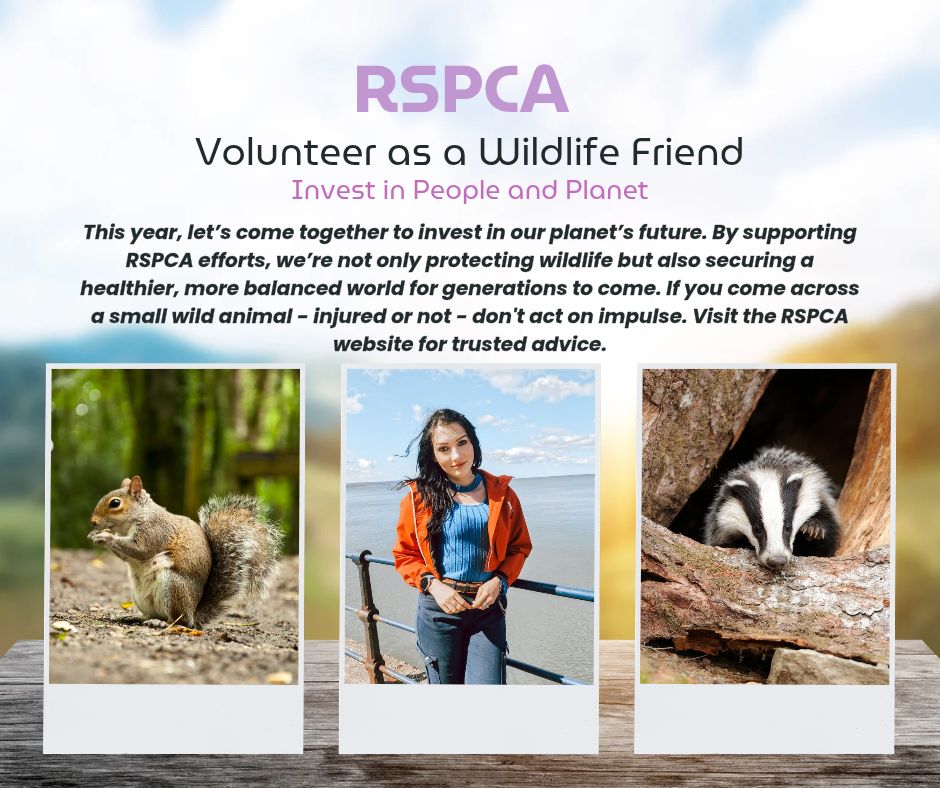
You don’t need to be a biologist, an outdoor explorer, or even someone with a garden. You just need to care.
As a Wildlife Friend, you’ll:
- Learn how to help injured or sick wildlife and pass that knowledge on to others in your community. It could be as simple as guiding someone on what to do when they find a hurt hedgehog or a disoriented bird.
- Protect animals before they get hurt by taking proactive steps to create safe, wildlife-friendly spaces. That might mean leaving out fresh water, avoiding harmful netting, or building bug hotels and shelters.
- Choose from a flexible ‘menu’ of activities, curated so there’s something for everyone. Whether you live in the city or countryside, in a flat or a house, there’s a way for you to contribute. Even small acts — like spreading awareness online — matter.
And the best part? You’re never alone. You’ll be connected to a wider community through:
- Monthly newsletters filled with uplifting stories, useful tips, and volunteer updates.
- Inspiring videos and articles from RSPCA wildlife experts who’ll guide you through seasonal advice and species-specific care.
- A platform to share your successes and ideas — from spotting a fox family near your building to planting pollinator-friendly flowers with your kids.
All you need is a smartphone, tablet or computer, a bit of free time, and a heart full of enthusiasm. That’s it. That’s enough to change the world — or at least your little corner of it.
Why Volunteer? Because Wildlife Needs People Like You
Across the UK, urban development, pollution, and climate change are taking their toll on native species. Creatures like badgers, bats, foxes, hedgehogs, frogs, bees, and countless birds are losing their habitats — and their lives.
But there’s hope. You can be the difference. Volunteering isn’t just a ‘nice’ thing to do — it’s a powerful force for healing the planet.
You can do good…
- 🌱 From your window ledge — placing a dish of water for birds
- 📱 From your phone — sharing posts or reporting injured animals
- 🧹 On your local path — picking up litter during your walk
- 🛋️ From your sofa — attending virtual RSPCA workshops or inviting others to join
- 🧠 In your own mind — simply learning how to protect wildlife and sharing that knowledge with others
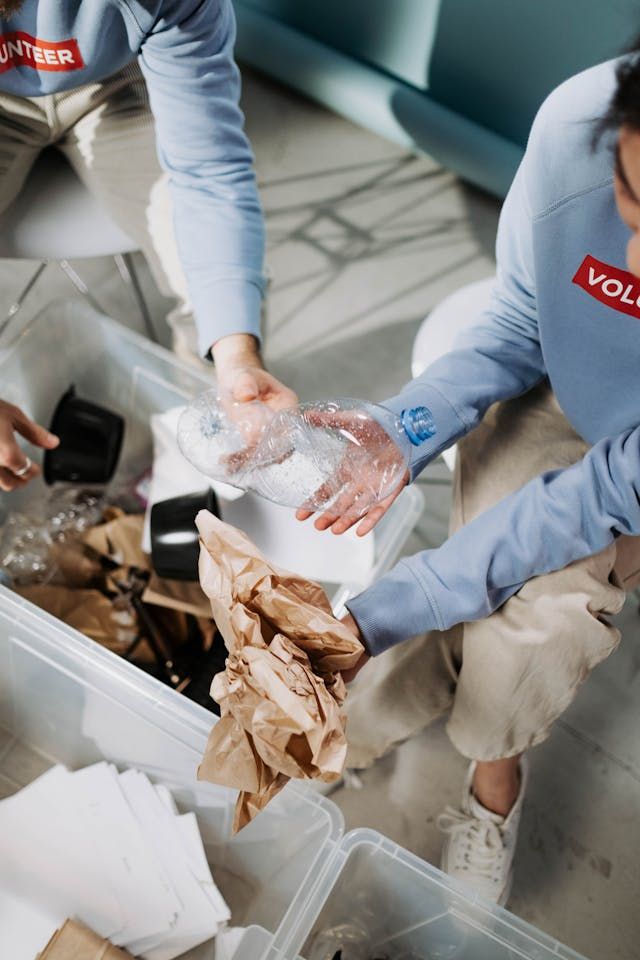
Sometimes we wonder if small acts are worth it. Does picking up a single piece of plastic matter? Does planting one native tree make a difference?
The answer is yes.
Because one person becomes two. Two become ten. And soon, an entire community is shaped by care. Your acts — no matter how small — send a message to the world: “Wildlife matters. Kindness matters.” And when enough people echo that message, change happens.
You don’t need to move mountains to change the world. Sometimes, it’s the quiet, consistent kindness — the 15 minutes here and there — that has the biggest impact.
So if you’ve been wondering how to make a difference, start with your free time. Whether you choose to plant wildflowers, rescue a hedgehog, or simply share a post that spreads awareness, know this: you matter, and so does your time.
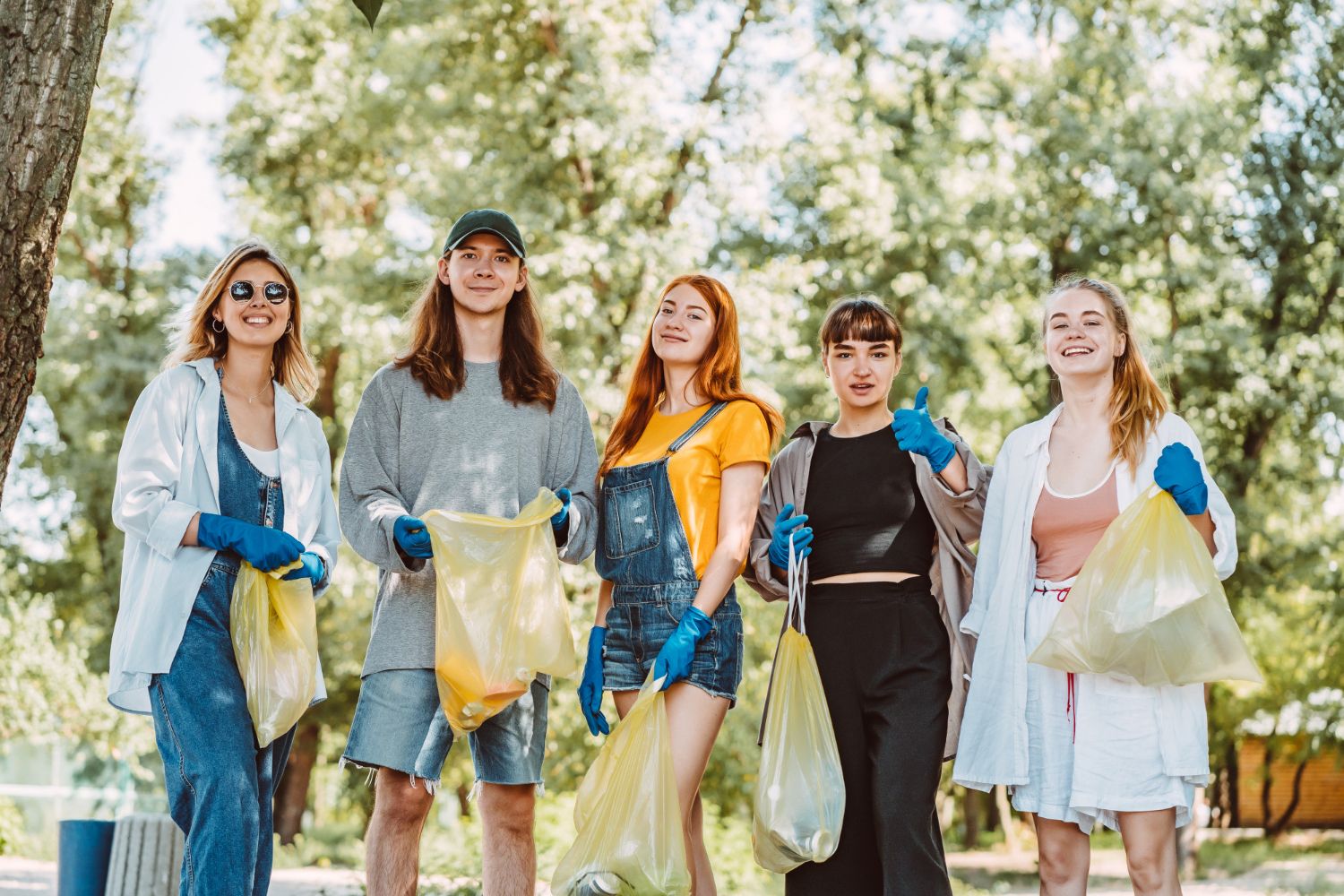
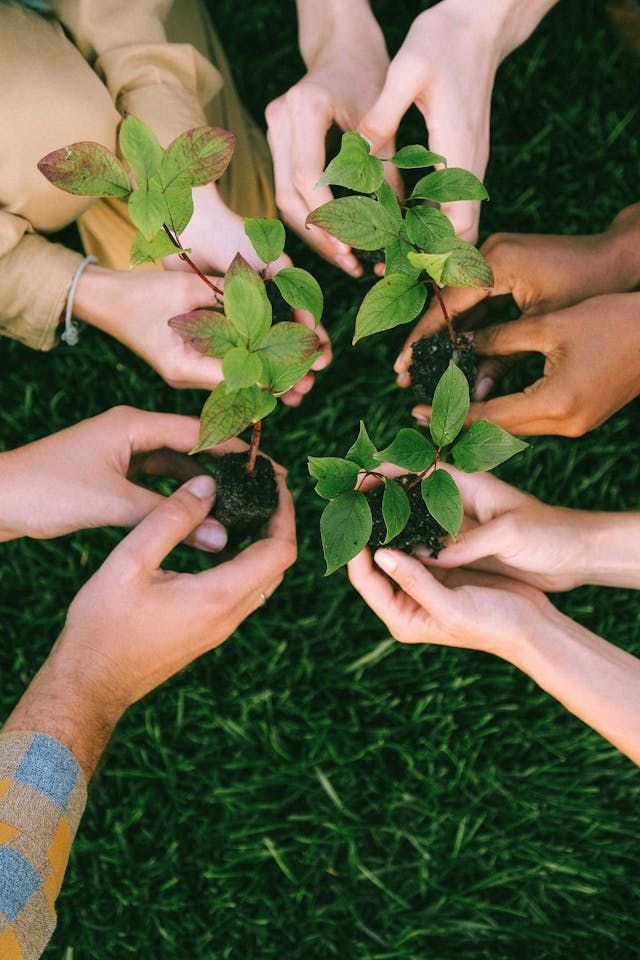
Volunteering fosters a sense of community by bringing people together for common causes. It encourages civic responsibility and can lead to lasting friendships and collaborations. Participating in environmental volunteering helps protect natural habitats and biodiversity. Activities like litter picking, tree planting, and wildlife monitoring contribute to the health of ecosystems.
🌿 Ready to Make a Difference?
If you’ve ever looked out your window and wondered how to make your free time count — this is your moment. You don’t need a cape. You don’t need to be an expert. You just need to care enough to start.
You already have the tools. Now you just need the invitation.


I used to love volunteering when I was younger I got a few certificates and awards for it which was awesome as well. It’s definitely something I would suggest anyone should try out and it offers up such a fulfilling feeling.