
 Christina Nixon
Over the decades, special effects makeup (SFX) has transcended mere cosmetic enhancement, evolving into an indispensable art form that brings imagination to life on the silver screen. From its humble origins in the early days of the film industry to its current standing as a cornerstone of cinematic magic, this article delves into the captivating journey of special effects makeup artistry and its profound impact on the entertainment industry. We also look back on last year’s “Blood, Guts and Gore Workshop”, provided by Stephen Joseph Theatre and ARCADE, as we explore the evolution, innovations, and artistic mastery that have shaped the mesmerizing world of SFX makeup.

Makeup effects have played a pivotal role in the film industry for decades. However, during the nascent years of the industry in the early 1900s, allocating time and budget to such effects was a rarity. Filmmakers primarily drew inspiration from theatrical techniques, but as film quality advanced, the demand for more realistic cosmetic effects grew. In the mid-1920s, actor Lon Chaney revolutionized special effects makeup by personally crafting iconic looks for films such as “The Hunchback of Notre Dame” and “Phantom of the Opera.”
As detailed by Central Casting, the cinematic landscape underwent a transformative phase in the early 1930s, marked by the surge in popularity of monster movies that propelled film makeup into the spotlight. Among the vanguards of this era was Jack Pierce, a makeup trailblazer who collaborated with Boris Karloff, an alum of Central Casting, in iconic films like “Frankenstein” and “The Mummy”. Pierce’s ingenuity in creating the monstrous visage of Frankenstein involved using cotton and spirit gum to craft prosthetics, complemented by a carefully devised green makeup to achieve a ghostly white appearance on camera. As the film industry progressed, especially with the advent of full-color motion pictures, these makeup techniques had to undergo adaptation to preserve the authenticity and realism of the visual effects.

The world of cinema owes much of its magic to the unsung heroes behind the scenes—special effects makeup artists. Their craft goes beyond conventional beauty enhancements, delving into the realm of transformative artistry that brings fantastical creatures, otherworldly beings, and nightmarish entities to life on the silver screen.
In the early days of cinema, the use of makeup for special effects marked a bold and unexplored frontier. Pioneering makeup artists ventured into crafting transformative mixtures, sometimes relying on perilous substances like lead and mercury.
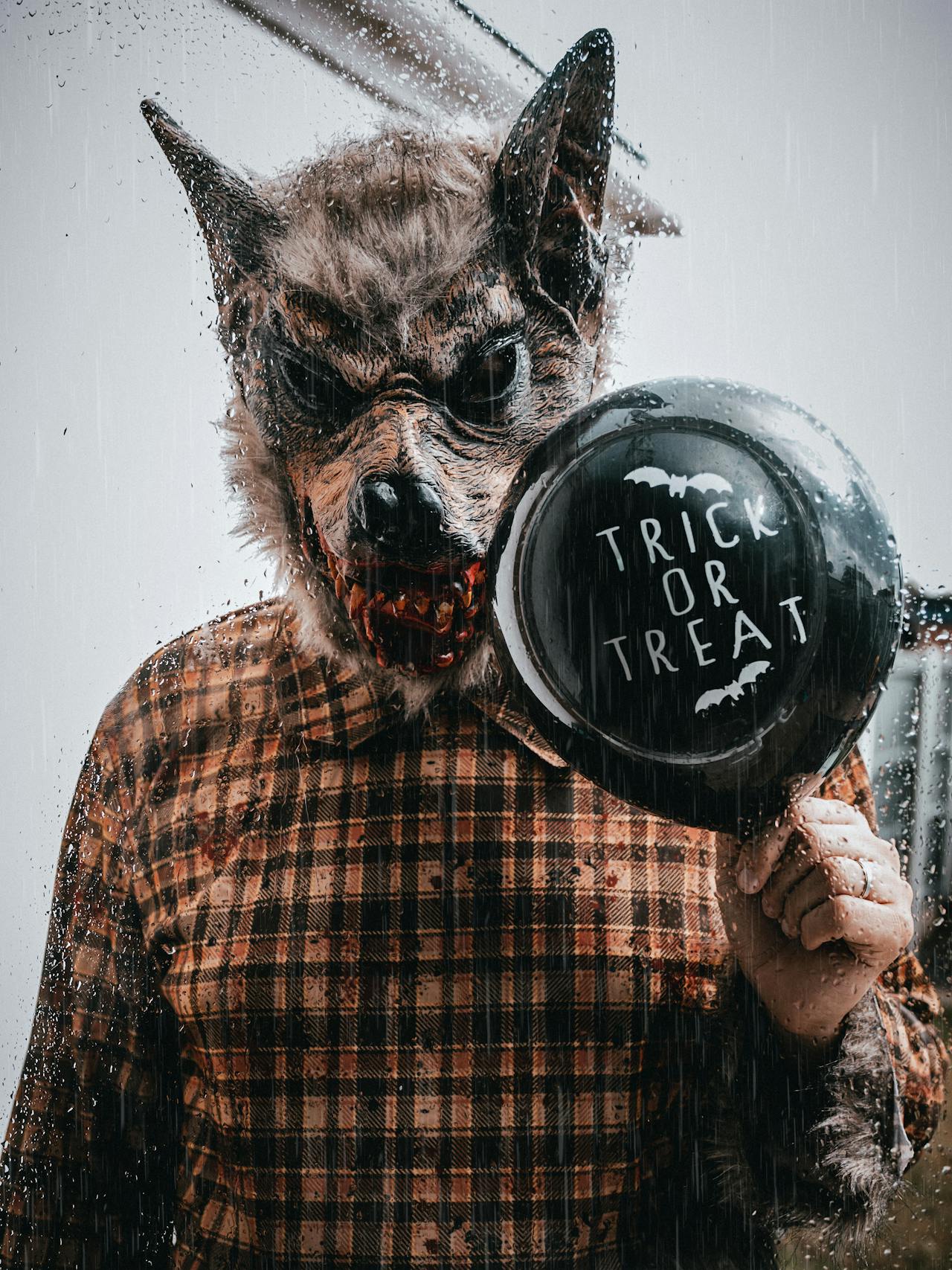
As the film industry evolved, the science of special effects makeup advanced in tandem. Breakthroughs in chemistry and materials science initiated a transformative era for the industry. A notable milestone was the introduction of foam latex in the 1930s, offering the ability to create prosthetics that were both more realistic and flexible. This groundbreaking innovation played a pivotal role in the iconic transformation of Lon Chaney Jr. into “The Wolf Man” in 1941, solidifying a character whose visage has become indelibly etched in cinematic history.
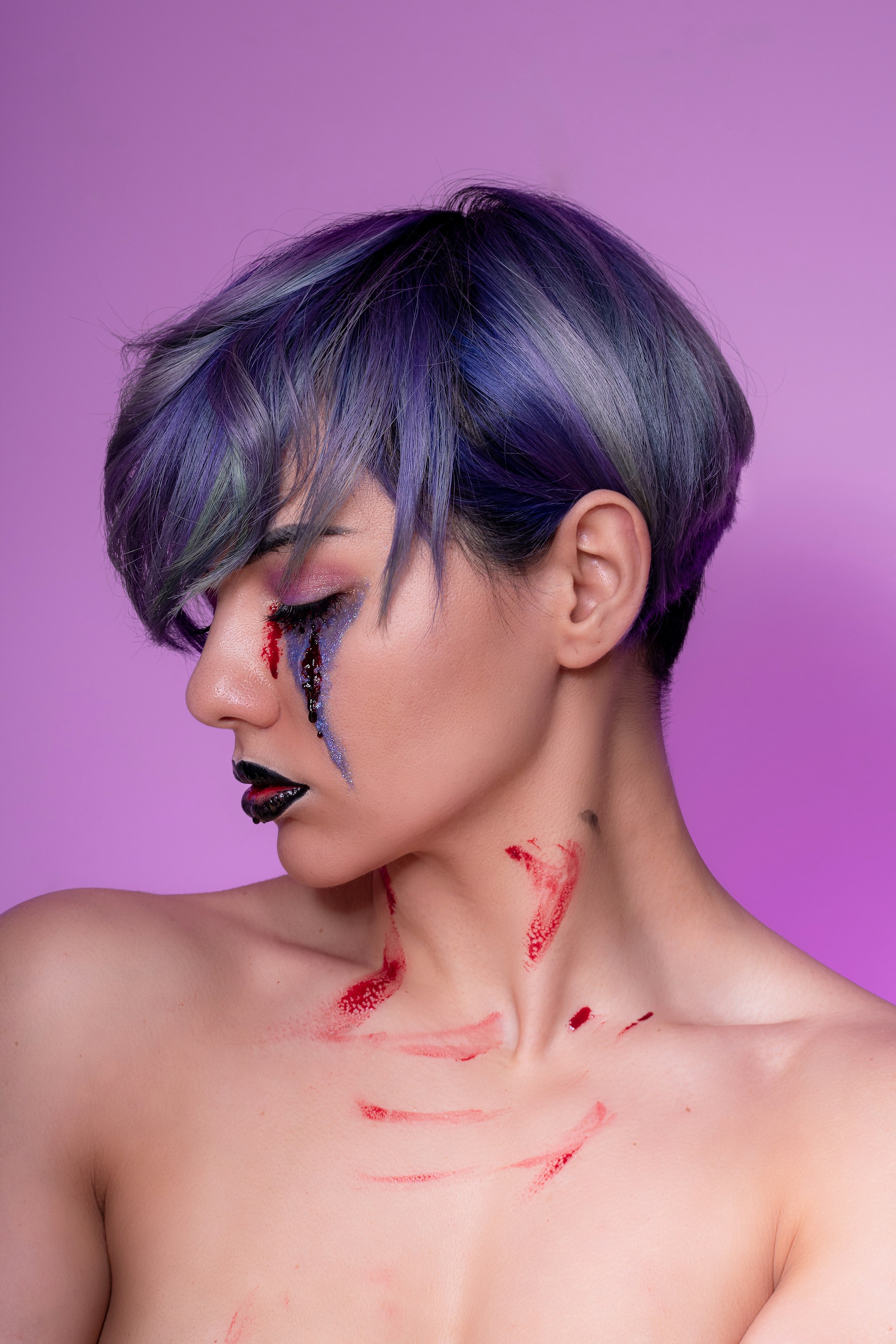
A groundbreaking advancement in the realm of special effects makeup occurred in the 1970s with the advent of silicone. Silicone prosthetics marked a significant leap, offering actors unparalleled realism, comfort, and durability. Even today, Sculpt Gel, a silicone-based product, continues to play a vital role in creating lifelike effects such as cuts, scars, gunshot wounds, and flesh trauma, ensuring actors’ freedom of movement and facial expressions. An illustrative example of creative blood effects is seen in the 1996 cult teen horror film “Scream,” where nearly 200 liters of blood were produced using a mixture of corn syrup and red food dye.
As the film industry progressed, so did the demands on SFX makeup artists. The advent of full-color motion pictures introduced new challenges and opportunities. Artists had to adapt their techniques to ensure that the visual effects remained seamless and authentic. The evolution of technology, from practical effects to the integration of CGI, expanded the possibilities for SFX makeup, offering artists a broader canvas to showcase their skills.
The SFX makeup industry has been shaped by a cadre of talented individuals whose contributions have left an indelible mark. Figures like Rick Baker, known for his work on “An American Werewolf in London”, and Tom Savini, renowned for his contributions to the horror genre, have elevated SFX makeup to new heights. Today, artists continue to push boundaries, creating astonishingly realistic and fantastical makeup effects for film, television, and beyond.

While SFX makeup remains a cornerstone of the film industry, its influence extends far beyond the realm of cinema. Television series, theatrical productions, and even the burgeoning field of online content creation have embraced the special effects makeup artistry. The industry’s impact on pop culture and its ability to captivate audiences demonstrate its enduring relevance.
Special effects makeup transcends its traditional role in crafting monsters and aliens; it plays a pivotal role in aging actors or aiding them in embodying the appearance of real individuals. A notable example is the transformative work on Charlize Theron in “Bombshell” and Gary Oldman in “Darkest Hour.”
Golden Age Magic: Hollywood Glamour vs. British Realism
The Golden Age of Hollywood brought a surge in SFX advancements, with the likes of Jack Pierce (USA) and George Blackwell (UK) making their mark. Pierce, renowned for his work on Universal’s classic monsters, introduced iconic looks for Dracula, Frankenstein’s Monster, and The Mummy. In contrast, Blackwell leaned towards a more realistic approach, emphasizing subtlety in British films.
The horror genre witnessed a renaissance in the 1980s, with American artists like Rick Baker achieving unparalleled success in films like “An American Werewolf in London.” Meanwhile, the UK saw the rise of artists like Tom Savini, who elevated the horror genre with his work on films such as “Dawn of the Dead.”
As cinema entered the mid-20th century, technological leaps influenced SFX in both the UK and the USA. Dick Smith (USA) revolutionized aging techniques with groundbreaking work on films like “Little Big Man,” while Stuart Freeborn (UK) showcased his skills in “2001: A Space Odyssey,” introducing innovative prosthetics for the iconic ape-like creatures.
Since the inception of cinema, special effects makeup artistry has captivated audiences with its ability to bring characters and creatures to life in such a realistic manner that they blur the lines between fiction and reality.
Entering the 21st century, SFX makeup embraced digital technologies, blurring the lines between practical effects and CGI. Artists like Neil Gorton (UK) and Greg Nicotero (USA) seamlessly integrated traditional techniques with digital enhancements, contributing to the ever-expanding possibilities of cinematic transformations.
The Historical Evolution of SFX Makeup in the UK and USA
In recent years, the global landscape of SFX makeup has seen cross-pollination and collaboration between artists from the UK and the USA. International film festivals, workshops, and the interconnected nature of the industry have facilitated the exchange of ideas, resulting in a rich tapestry of techniques and styles.
In October 2023, the “Blood, Guts, and Gore” Workshop at Mandy Apple in Scarborough, UK delved into the fascinating world of special effects make-up during an insightful session provided by the Stephen Joseph Theatre and ARCADE.
The workshop, skillfully led by the Creative Engagement Team, offered a hands-on experience into learning various tips and tricks of the industry. The session focused on exploring and creating realistic scars, wounds, and bruises as seen in the photos below.
The special effects makeup industry stands as a testament to the boundless creativity and innovation that fuel the world of entertainment. From its humble origins to the present day, SFX makeup continues to enchant audiences and contribute to the immersive storytelling experience. As technology advances and artistic boundaries are continually pushed, the future holds exciting possibilities for the talented artisans who breathe life into the extraordinary through their craft.