

 Christina Nixon
✈️ Just a quick note: some of the links in this post are affiliate links through Travel Payouts. If you decide to book something using them, I may earn a small commission at no extra cost to you. It helps me keep sharing travel stories — thank you for the support!
Stepping into London’s Chinatown is like walking into your Instagram feed – vibrant, alive, and brimming with mouthwatering aromas, glowing lanterns, and that unmistakable buzz of urban culture. But it’s so much more than just a pretty backdrop. The moment you step under the archway into London’s Chinatown, it feels like you’ve walked into another world. There’s something magical about this pocket of the city, tucked between Leicester Square and Soho, that makes you slow down, look up, and take in the colors, sounds, and flavors all at once. And yet, Chinatown London isn’t just about food or photo opportunities – it’s about heritage, community, and the way cultures can live side by side, influencing and reshaping each other over decades. Whether you’re here to feast, shop, celebrate, or simply wander, knowing a little about its story and its soul can completely transform your visit. So let’s dive in.
It’s worth remembering that Chinatown hasn’t always been where it is today. The original Chinese community in London grew around the East End docks in Limehouse, way back in the 18th and 19th centuries, when Chinese sailors and workers settled nearby. The area was small but vibrant, filled with little eateries, shops, and meeting places that served the growing community. After World War II, much of that East End enclave faded, and Chinese businesses began to migrate west, eventually centering on Gerrard Street in Soho, where Chinatown thrives today. By the 1980s, the community had firmly taken root, restaurants and supermarkets opened up, red lanterns were strung across the streets, and London’s modern Chinatown was born.
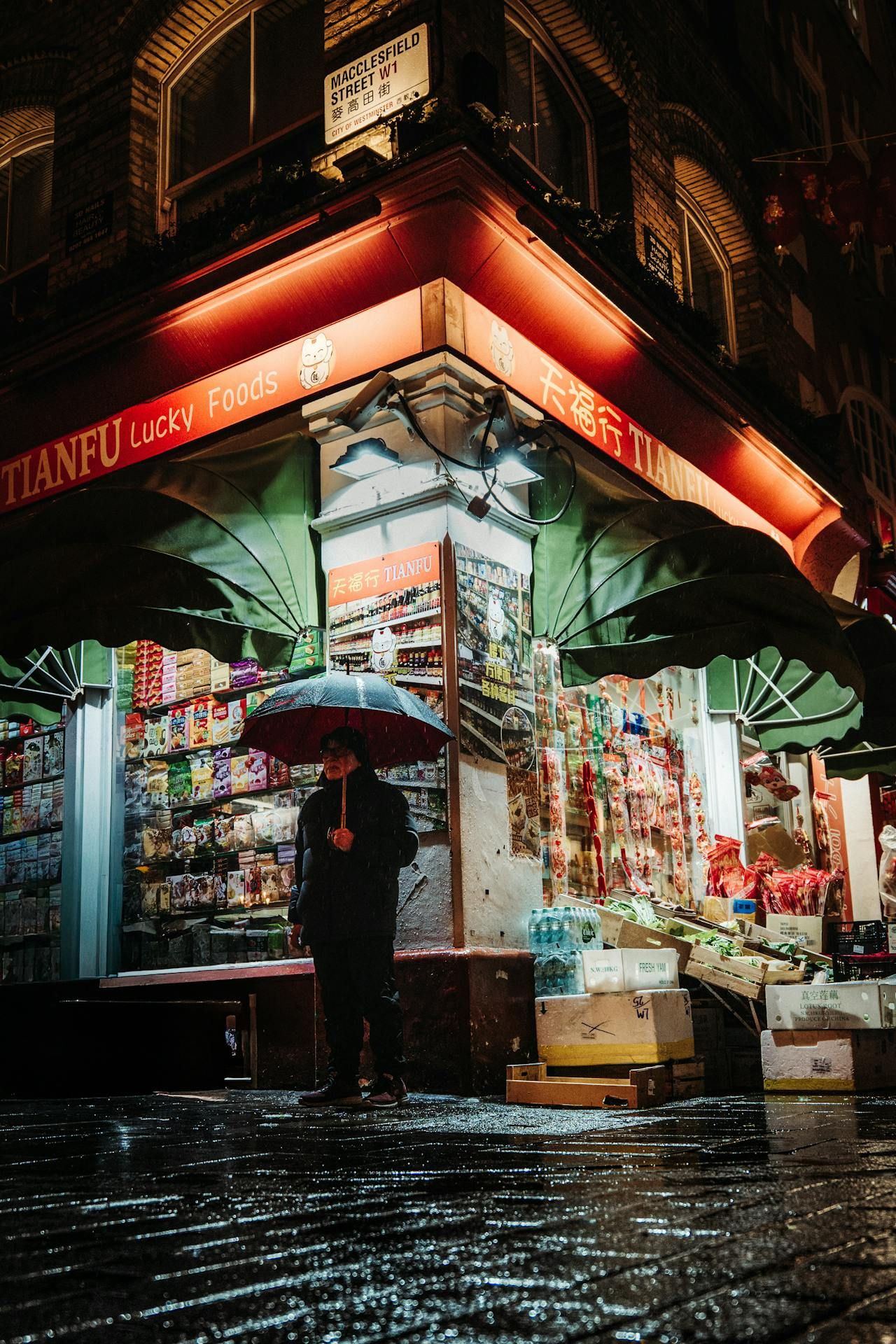
The history is important, because what you see now isn’t just a tourist attraction – it’s a place built by generations who carved out a home and identity in the middle of London.
Getting There & Getting Around
Chinatown is tucked in the West End, snug between Leicester Square, Soho, Theatreland, and Covent Garden. Officially, it’s centered on Gerrard Street, and stretches out to include parts of Wardour Street, Rupert Street, Shaftesbury Avenue, Newport Court, and more.
By Tube: Leicester Square and Piccadilly Circus stations (served by Northern, Piccadilly, and Bakerloo lines) are your best bets
On Foot: Chinatown is wonderfully small and pedestrian-friendly—easy to wander. Streets are cozy and some are pedestrianised, making it ideal to stroll through lantern-lit alleys.
Avoid Driving: Buses don’t weave through the heart, parking’s a pain, and taxis are easiest along the edge—go public transport or walk
One of the first things people ask is: when’s the best time to visit? Honestly, it depends on what you’re after. Evenings are my personal favorite, when the streets glow with neon and lanterns, and the whole area buzzes with energy. But if you prefer a calmer vibe, go in the afternoon on a weekday, when the streets are quieter and you can actually stop to admire the details: the intricate designs on the Chinese gates, the lucky red symbols painted on shop windows, or the stone guardian lions that watch over certain corners.
And then there are the festivals. If you ever get the chance to visit during Chinese New Year, do it. The entire area transforms into a celebration that feels larger than life. The Mid-Autumn Festival is another beautiful moment, when mooncakes appear in bakeries and lanterns light up the night. Even if you don’t time your visit with a festival, you’ll still feel a sense of festivity – Chinatown doesn’t really have an “off season.”

When to Visit Chinatown London: Timings & Festive Magic
London’s Chinatown is wonderful anytime – but timing can make it unforgettable.
Evenings are where the magic truly sparkles—lanterns glowing, neon signs buzzing, streets brimming with life.
For a quieter, relaxed vibe, afternoons on weekdays are golden.
Chinese New Year (late January–February, lunar calendar) blows the doors off normal with lion dances, parades, lanterns, and street pop-ups.
Mid-Autumn Festival, celebrated around September, brings lanterns and mooncakes via pop-up displays and performances.
Other major cultural moments include Dragon & Lion Dance Festivals and even the Dragon Boat Festival, where you’ll find zongzi dumplings around town.
The gates and lanterns are dramatic and photogenic: the stunning 2016 Qing-dynasty-style gate on Wardour Street is the UK’s largest, and there are three others along Gerrard Street from the 1980s. Perfect selfie territory. Keep an eye out for stone guardian lions, Chinese signage, dragon motifs – symbols of luck, protection, and prosperity woven everywhere.
Of course, food is the heartbeat of Chinatown. Everyone knows it. And while yes, you could play it safe with sweet-and-sour chicken or a takeaway box of chow mein, the real joy is in exploring dishes that maybe you’ve never heard of before. For something comforting, head to one of the Cantonese restaurants serving roast duck or crispy pork belly with glossy rice. And don’t sleep on the bakeries- seriously, the bakeries in Chinatown are some of the most underrated gems in London. There’s a whole “dessert alley” on Newport Court, with bubble tea shops, matcha cafes, and quirky ice cream parlors that feel tailor-made for Instagram.
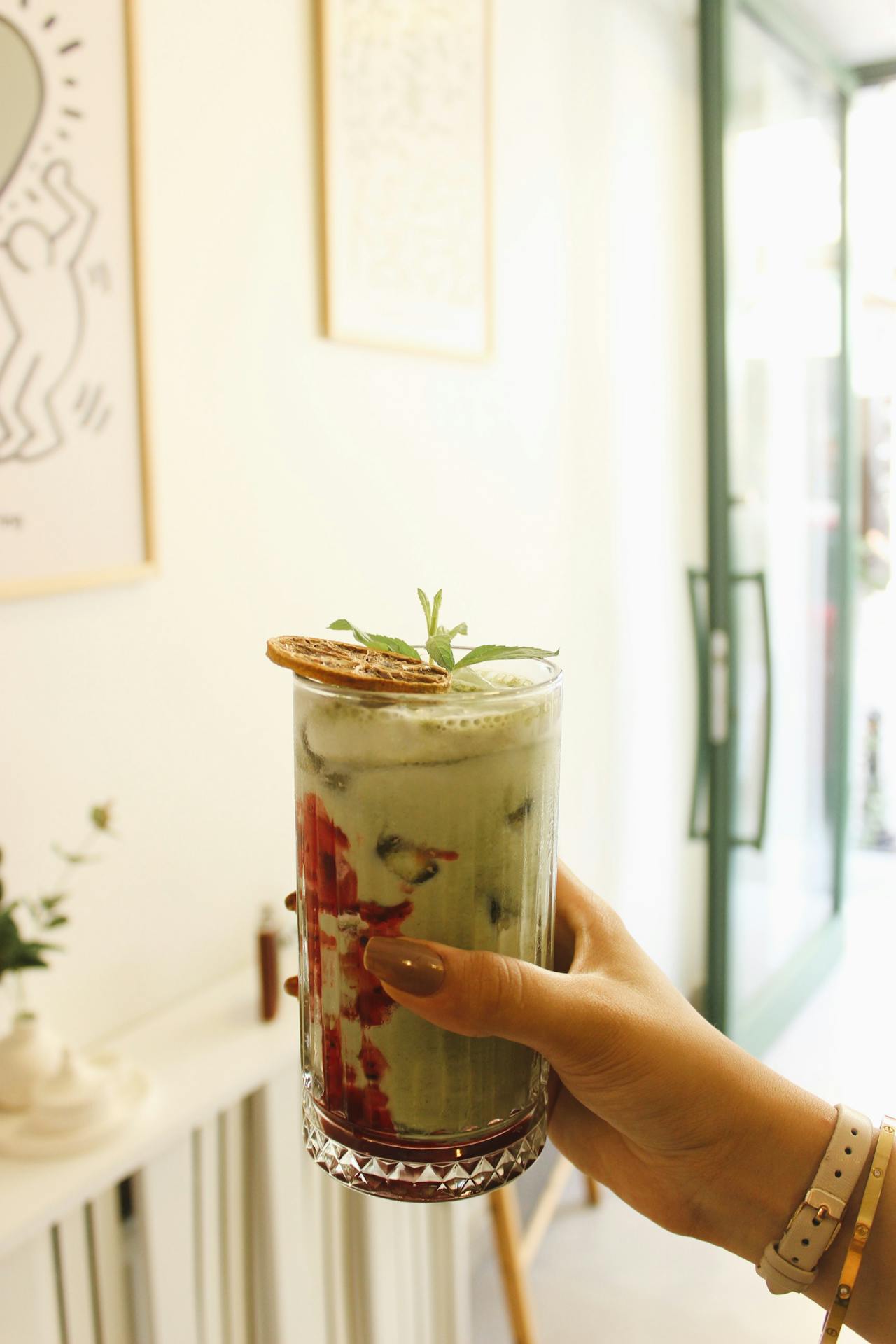
Speaking of bubble tea – it deserves its own love letter. The craze has taken Chinatown by storm, and it’s not hard to see why. It’s colorful, customizable, photogenic, and honestly just fun to drink. You can try classics like brown sugar milk tea with chewy tapioca pearls, or go adventurous with taro, matcha, or fruit teas topped with cream cheese foam. Bubbleology, Cuppacha, Gong Cha – they’re all buzzing with people snapping photos of their drinks before taking that first sip. It’s not just a drink; it’s an experience, a social moment. And it shows how modern youth culture has reshaped Chinatown into more than just a hub of tradition – it’s also a playground for global trends.
That’s one of the most fascinating things about Chinatown today: the way younger generations are reshaping it.
Food Culture, Asian Supermarkets, And Unique Finds In Chinatown London

From dim sum to roast duck, Chinatown’s restaurants are legendary – Golden Dragon, Four Seasons, BaoziInn, Plum Valley are go-tos for authentic regional fare. Don’t skip the bakeries: Golden Gate Cake Shop (egg tarts, pork buns), Bake (custard-filled taiyaki and buns), or Kowloon bakery for a sweet fix with a side of nostalgia. Now, enter Dessert Alley on Newport Court. You’ve got:
- Bubblewrap for HK-style egg waffles loaded with ice cream and toppings
- Taiyakiya with fish-shaped treats and soft-serve topped with mermaid tails.
- Cuppacha for rainbow-hued bubble tea creations.
- Tsujiri with matcha sundaes from a Japanese tea-house heritage.
- Mamasons Dirty Ice Cream for Filipino ube, halo-halo, and pandesal ice creams.
- Kova Patisserie blending Japanese-French pastries.
Shops like Oseyo, P2Bus, and SeeWoo offer everything from K-beauty and stationery to K-pop merchandise. You can buy BTS albums, kawaii plush toys, face masks from Seoul, and mochi donuts all within a few steps. This mix of cultures reflects London’s diversity, but it also shows how Chinatown has evolved to stay relevant and exciting, especially for younger visitors. Social media has played a massive role in this. TikTok and Instagram are full of Chinatown food tours, bubble tea reviews, and photo dumps of lantern-lit streets. For many, it’s as much about the vibe and the photos as it is about the meal itself. And that’s okay—it all adds to the life of the place.
Youth Culture & K-Pop Influence
K-beauty shops, Pop Mart figurines, and cute, colorful merchandise reflect a generation drawn to kawaii aesthetics and digital-savvy stylings.
Reddit users confirm it – places like Kissaten offer unique, flavored boba like hojicha and taro pearls that stand out even among bubble tea specialists. This modern energy mingles beautifully with tradition, making Chinatown a vibrant cultural hub for all ages.
Social Media & the Photo Magic of Chinatown
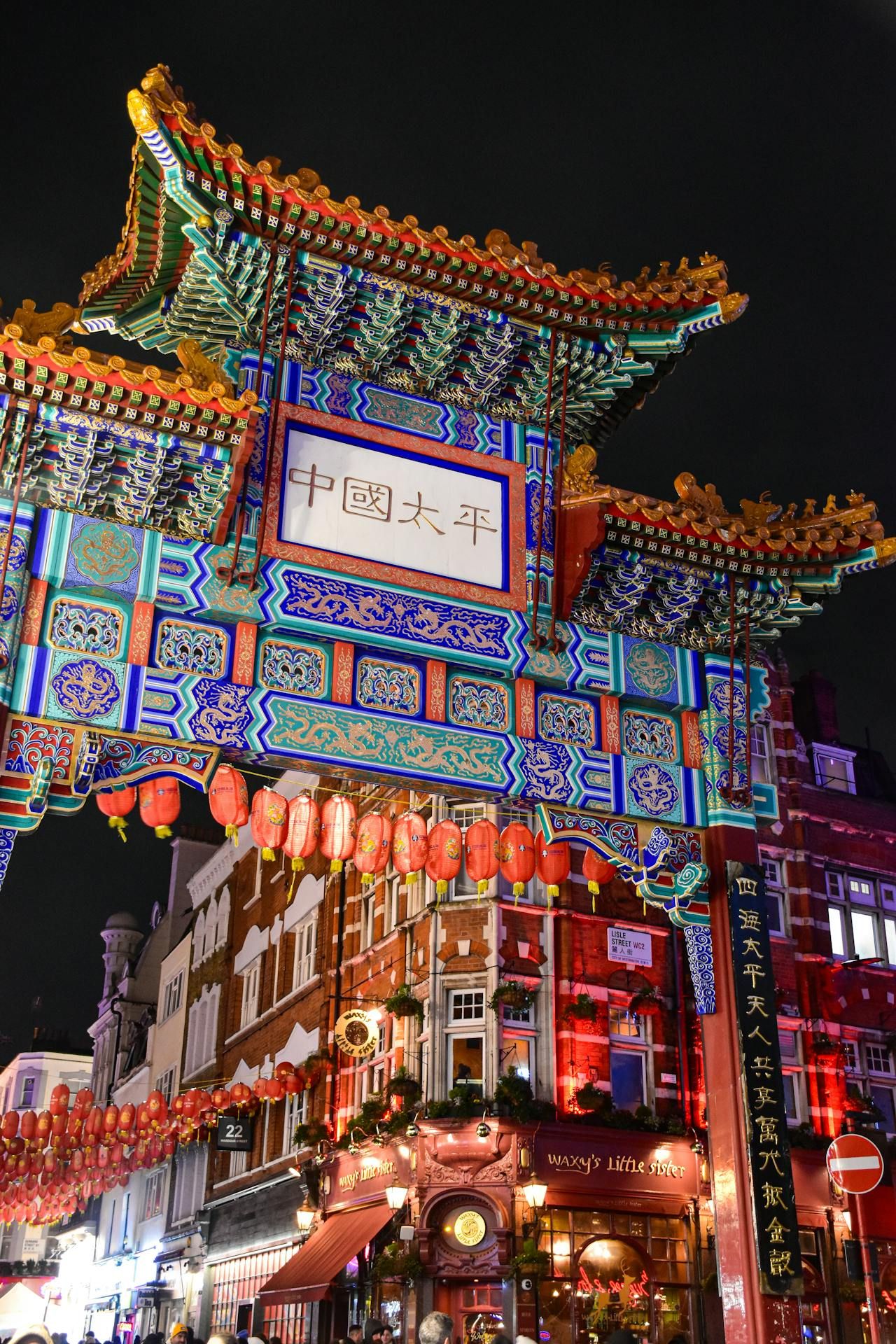
Can you even travel if you don’t snap and share? Chinatown practically begs to be documented. The lantern-filled alleys, ornate gates, neon signs, dessert creations—each corner is an “#Insta moment” waiting to happen. Whether by day or night, the lighting, color, and energy make it a photographer’s dream. Streets glow, desserts sparkle, symbols pop.
If you’re not out snapping, you’re missing the full Chinatown vibe- it’s where culture meets content.
Cultural Etiquette & Respect
Chinatown is fun, but it’s also a real, living community with traditions and people. Being thoughtful is travel gold. During festivals, give space to performers instead of pushing for the best photo. When you’re photographing decorations or people, be mindful – ask if you’re unsure. Support local businesses rather than just snapping pictures and walking on. Every bakery, supermarket, and family-owned restaurant here represents years of work and heritage; spending your money locally helps keep that culture alive.
Another tip: carry some cash. While most places take cards now, a few smaller bakeries and shops still prefer coins and notes, especially for quick takeaway snacks. It also makes things smoother if you want to grab something small without fuss.
One of my favorite ways to spend a day in Chinatown is to treat it like a slow adventure. Start in the late morning with a stroll under the Wardour Street gate, admiring its intricate Qing dynasty design- the largest of its kind in the UK. Grab a pastry or bubble tea to keep you fueled, then take your time exploring the supermarkets. Step into Loon Fung or New Loon Moon, where the aisles are stacked with sauces, spices, candies, teas, and ingredients you’ll want to take home even if you don’t know how to cook them yet. It’s like walking through another country’s pantry.
By lunchtime, duck into a dim sum restaurant, order a pot of jasmine tea, and let yourself linger. Afterwards, explore the little gift shops – maybe pick up a set of chopsticks, some traditional sweets, or even a lucky charm to remember your visit. As the evening approaches, find a spot for dinner – something cozy, bustling, and full of locals.

The truth is, you don’t need a strict plan to enjoy Chinatown. Part of its charm is in wandering, letting your senses guide you. Maybe you’ll turn a corner and find a little shop selling hand-painted fans. Maybe you’ll stumble into a street performance during a festival. Maybe you’ll end up chatting with someone in a bakery line about which bun is best.
Chinatown London isn’t just a tourist stop; it’s a bridge. It connects Londoners with Chinese culture, but it also connects generations, traditions, and modern influences. It’s where roast duck meets bubble tea, where lion dances meet TikTok dances, where centuries of history meet the energy of today’s youth. And if you go with an open heart and a little respect, it will give you a memory you’ll want to hold on to.
✨ Before you wrap up your Chinatown adventure, here’s a little travel hack worth knowing: you can actually save up to 50% on London attractions compared to buying single tickets, just by picking up a 2-choice pass from Go City. It’s a simple way to make the most of your trip—more fun exploring, less money spent. And honestly, who doesn’t love a smart travel win like that? 🌍



I love how you included cultural etiquette. That is so important to know when traveling. Thanks for sharing!
This really makes me want to go and visit China Town especially when some of the festivities are happening. I used to love just heading to London and exploring by myself.